
SEIEN WIR DOCH MAL EHRLICH!
It all starts here: A MANIFESTO
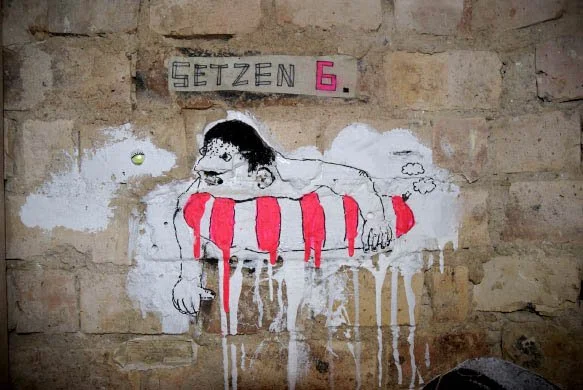
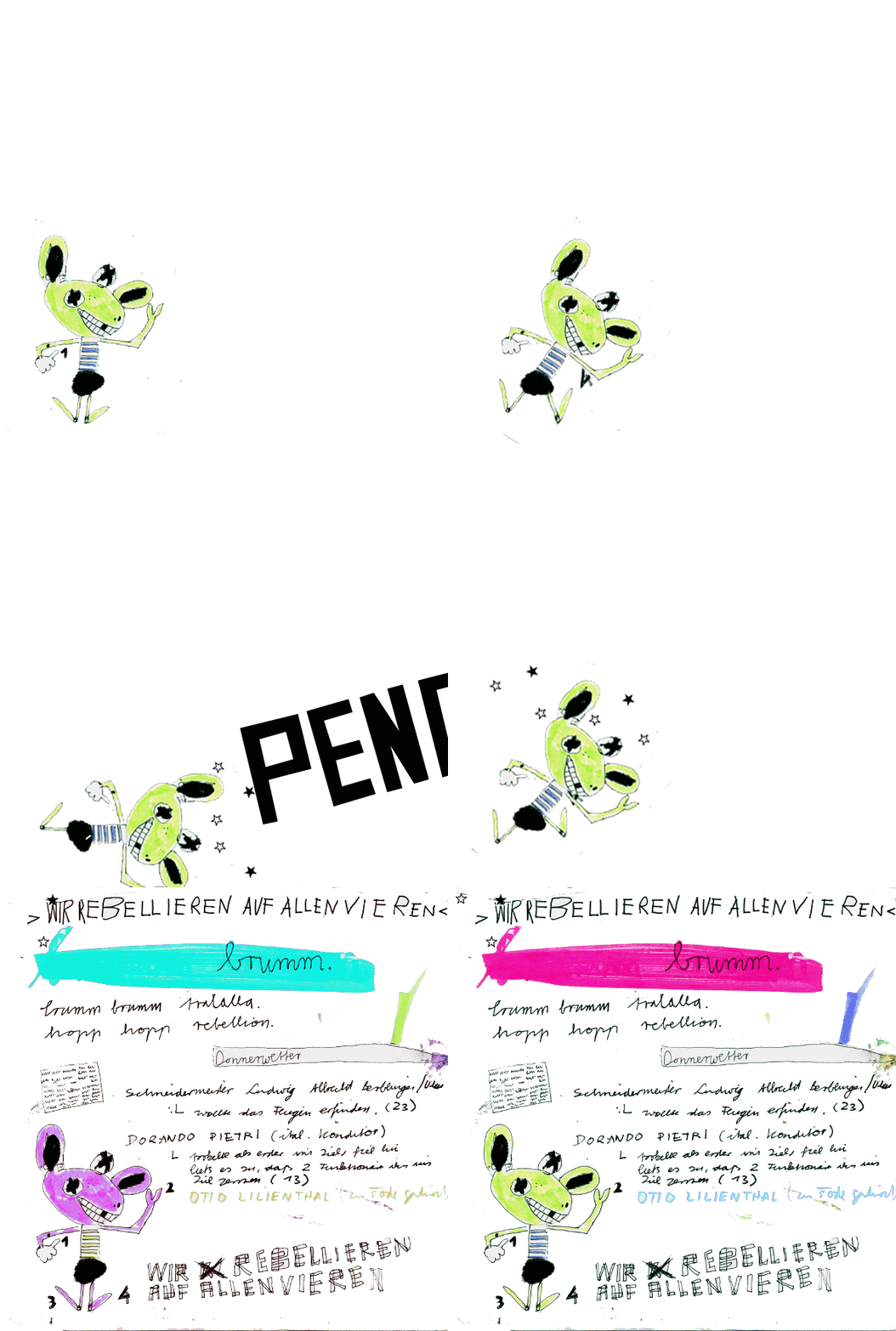
we are rebelling on our fours.
fail spectuca
luary.
fail
misaerably.
fail.
fail.
fail.
Failing More Gracefully

fail beautifully
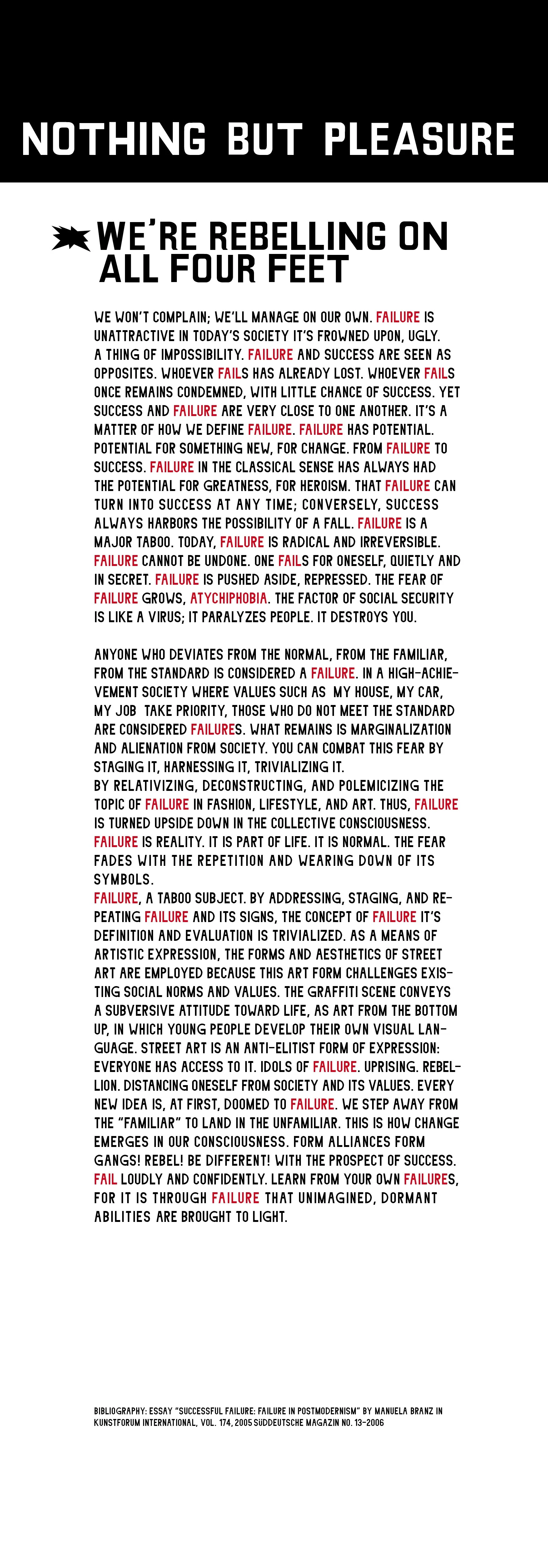
No Guru, No Method, No Teacher
Die Selbsthilfegruppe für Kreative & Innovative »Schöner Scheitern« wendet sich an alle vom Scheitern bedrohte Kreative und Innovative.

Die Künstlergruppe nimmt den Selbsthilfegedanken auf, um Betroffene wieder zum Lachen zu bringen und Misserfolge positiv zu definieren. Das Leben schreibt die besten Pointen, und die Lacher gehen auf Kosten der Beteiligten. Die erste Liebe? Vermurkst. Die Schule? Vermasselt. Das erste Interview? Vergeigt. Man kann mit dem Leben schlechte Erfahrungen machen, aber wenigstens hat man hinterher was zu erzählen. Und was wäre interessanter als gelungenes Scheitern?
Wiederkehr sozialer Themen, nicht unbedingt in einen klassischen Dramentext verpackt, jedoch eindeutig erkennbar. Inszenierungen, die sich mit Deklassierung, Armut und „sozialer Hoffnungslosigkeit“ auseinandersetzten…Scheitern ist etwas Sympathisches, für das man sich nicht zu schämen braucht. Im Gegenteil: Nur wer etwas versucht, kann auch scheitern. In diesem Sinne ist die »Show des Scheiterns« auch keine Loser-Freakshow, sondern ein Forum für mutige Macher, die unseren Respekt und unsere Bewunderung verdienen. Ein zur Gewohnheit gewordenes Hintergrundgeräusch ist immer da: die Angst vor dem Scheitern.
Allgegenwärtig und dennoch ein Tabuthema ist das Scheitern ein unvermeidbarer Begleiter der in unserer Erfolgsgesellschaft notwendigerweise angestrebten Höchstleistung. Denn »haste was, biste was«, wie der Volksmund sagt, doch immer mehr Menschen betrachten sich als gescheitert, trotz vorzeigbarer Familie, Eigenheim und regelmäßiger Geldeingänge auf dem Konto. Woher kommt also dieses Gefühl des Versagens?Wer ist überhaupt ,gescheitert`? Was ist das Scheitern? Und wer scheitert? Interessante Fragen…
Scheitern ist eine höchst individuelle Angelegenheit. So erfahren wir von großen Erwartungen, vom gefühlten Scheitern, von der Ausweglosigkeit und dem Scheitern als Chance.Scheitern gehört also zu unserem Leben, so lernen wir, und auch wenn wir diesen Umstand auch bereits geahnt, durchlebt und durchlitten haben, so tut es doch gut, in ungeschminkter Offenheit zu lesen, was wir über unsere tief sitzenden Urängste niemals zu äußern gewagt hätten. Ein Plädoyer für einen souveränen Umgang mit Misserfolgen und Niederlagen, denn: moderne Menschen scheitern - aber sie können das auch!
Ein Plädoyer für den souveränen Umgang mit der allgegenwärtigen Kehrseite des Erfolgs.Scheitern wird bei uns oft mit Versagen gleichgesetzt oder als Niederlage und Misserfolg verbucht.
The self-help group for creative and innovative people, “Schöner Scheitern” (Failing Beautifully), is aimed at all creative and innovative individuals who are at risk of failure.
The artist collective embraces the idea of self-help to make those affected laugh again and to reframe failures in a positive light. Life writes the best punchlines, and the laughs come at the expense of those involved. First love? Screwed up. School? Messed up. First interview? Blundered. You can have bad experiences in life, but at least you’ll have stories to tell afterward. And what could be more interesting than a successful failure?
A return to social themes, not necessarily packaged in a traditional dramatic text, but clearly recognizable. Productions that grapple with social decline, poverty, and “social hopelessness”…
Failure is something endearing—nothing to be ashamed of. On the contrary: Only those who try something can also fail. In this sense, the “Show of Failure” is not a freak show for losers, but a forum for courageous doers who deserve our respect and admiration. A background noise that has become a habit is always there: the fear of failure.
Omnipresent and yet a taboo subject, failure is an inevitable companion to the peak performance that is necessarily sought after in our success-oriented society. After all, “if you’ve got something, you’re somebody,” as the saying goes, yet more and more people consider themselves failures, despite having a respectable family, a home of their own, and a steady income in their bank account. So where does this feeling of failure come from?
Who is actually “a failure”? What is failure? And who fails? Interesting questions…
Failure is a highly individual matter. We learn about high expectations, the feeling of failure, hopelessness, and failure as an opportunity.
So failure is part of our lives, as we learn, and even if we’ve already sensed, lived through, and suffered this reality, it still feels good to read—with unvarnished candor—what we would never have dared to voice about our deep-seated primal fears. A plea for dealing confidently with setbacks and defeats, because: modern people fail—but they can handle it, too!
A plea for dealing confidently with the ever-present flip side of success.
We often equate failure with falling short or label it as defeat and setback.schneller, höher, scheitern
mach dich locker
wir helfen
keine panik
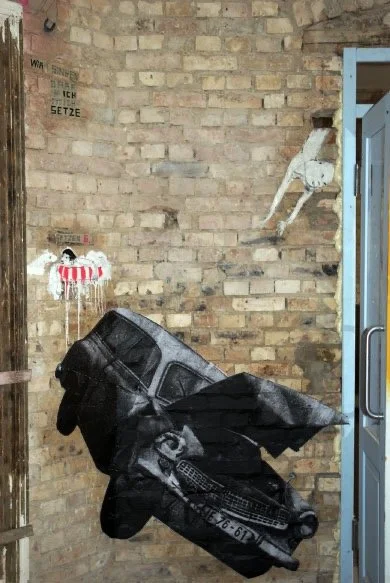
He `s a fallen star, that`s what he are.“
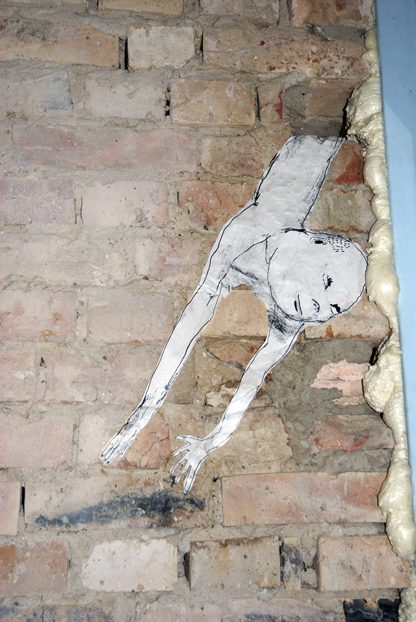
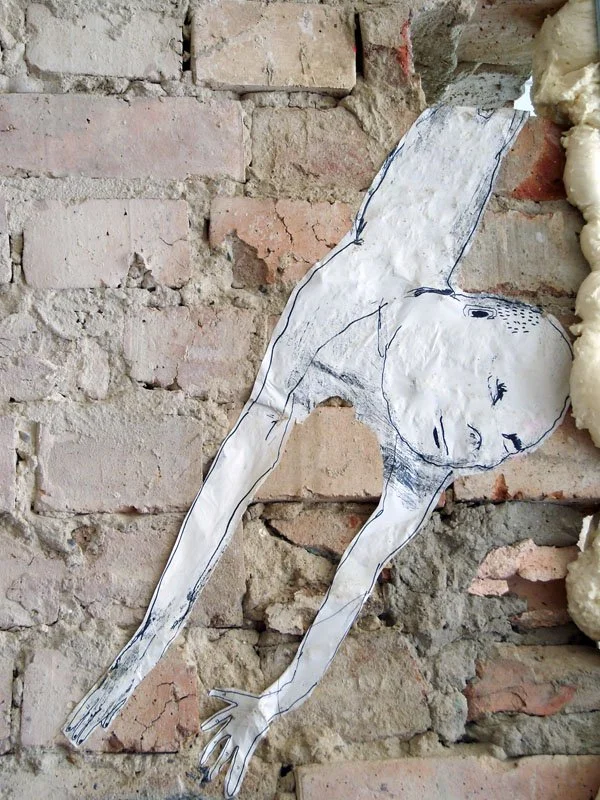
liebenswertester Loser: Don Quixote
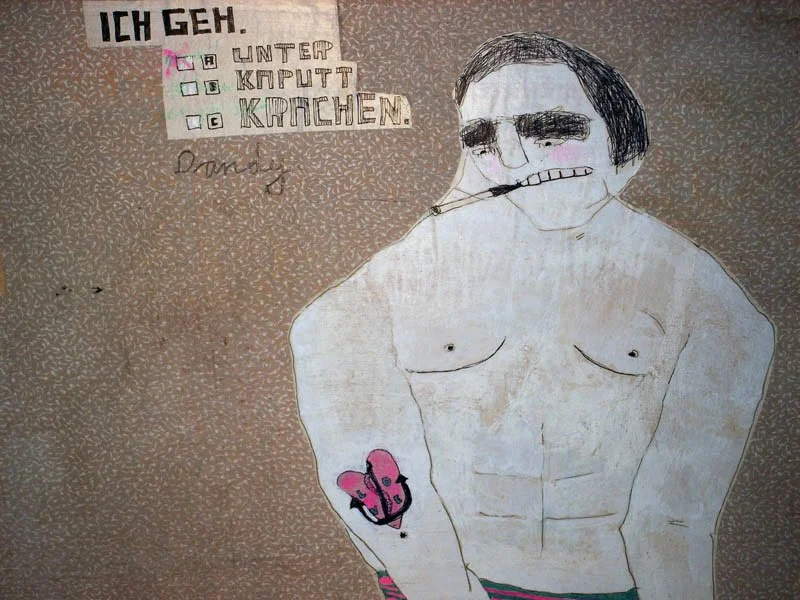
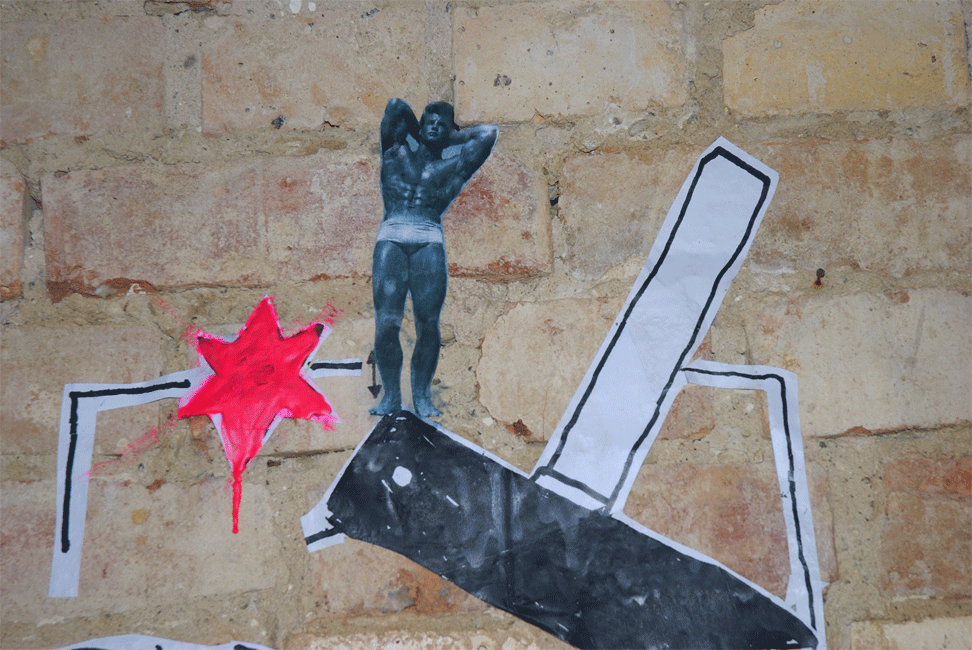
A Direct Attack on Our Value CiSystem
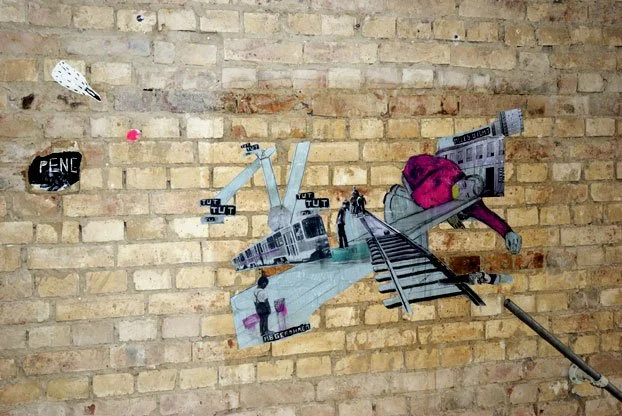
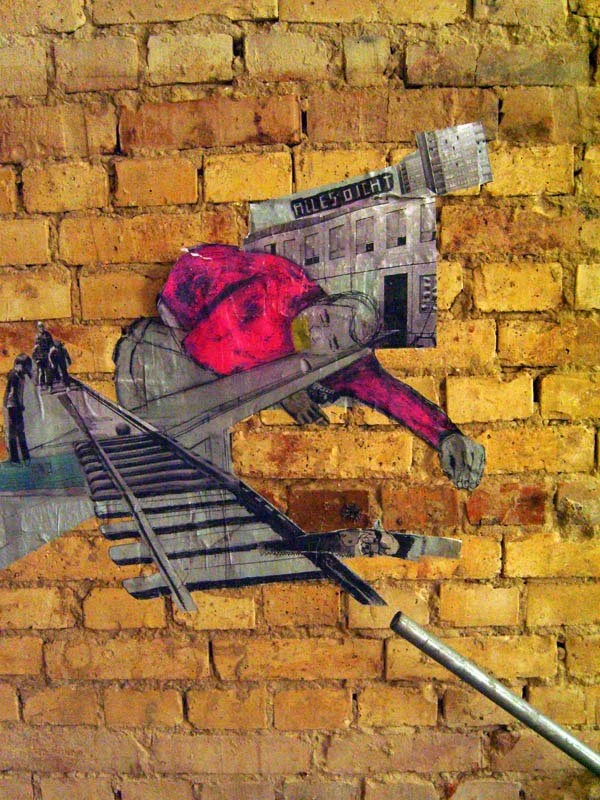
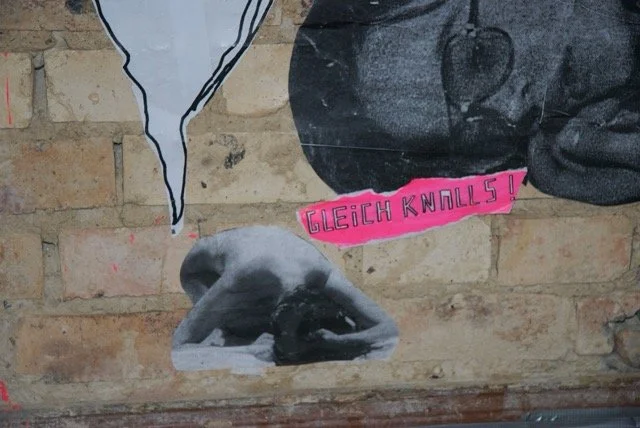
Aufrecht gehen
Walk upright
Try again. Fail again. Fail better.
die show des scheiterns
club der polnischen versager
»Unsergleichen gibt es nicht viele in der Stadt. Ein paar nur, vielleicht einige zehn. Der Rest, das sind Menschen des Erfolgs, kühle und kaltblütige Spezialisten – was immer sie auch tun, das tun sie bestens. Wir - die Schwachen, weniger Begabten, können kaum etwas erwirken; die Milch versuchen wir in der Apotheke zu kaufen und bei der Friseuse ein halbes Kilo Käse. Autos hupen uns an, wir stolpern auf dem geraden Wege, immer wieder treten wir in die Hundescheisse, bloss es will und will uns kein Glück bringen. Wir lassen den Terror der Vollkommenheit jener Anderen über uns ergehen.Ihre Gegenwart schüchtert uns ein.Denen ist es nur recht so, denn sie leben in der Angst, das Schaffensmonopol, das sie für sich reklamieren, zu verlieren. Wir sind geneigt, ihren Vorrang anzuerkennen, dennoch wollen wir Schöpfer bleiben, und zwar nach unseren Möglichkeiten, auf einem niedrigeren Niveau.«Beherzter Loser, Don Quixot, beschliesst, selbst Held zu werden und verschafft sich einen Lebenssinn, indem er die Realität in sein Fantasiegebilde zwingt. Ein unerbittlichen Feldzug gegen herrschende Gesetzmässigkeiten, Odyssee wider sein eigenes Schicksal. Er nimmt die inflationär propagierte individuelle Freiheit wörtlich und betreibt sie bis zur Selbstauflösung. Bewaffnet mit einem schizophren anmutenden Realitätsverständnis greift er den «wahren» Feind seiner erfundenen Existenz an, die Norm.
»Revolutionär gegen unser eingefahrenes Wertesystem, zum Helden, der sich mit seiner Philosophie des Scheiterns neue Wege bahnt.«
Club of Polish Losers
»There aren’t many like us in the city. Just a few, maybe a few dozen. The rest are successful people, cool and cold-blooded specialists—whatever they do, they do it perfectly. We—the weak, the less gifted—can hardly accomplish anything; we try to buy milk at the pharmacy and half a kilo of cheese at the hairdresser’s. Cars honk at us; we stumble along the straight path; time and again we step in dog poop—yet it just won’t bring us any luck. We endure the terror of those others’ perfection.Their presence intimidates us.That suits them just fine, for they live in fear of losing the creative monopoly they claim for themselves. We are inclined to acknowledge their primacy, yet we want to remain creators—albeit to the best of our ability, on a lower level.«The courageous loser, Don Quixote, decides to become a hero himself and finds meaning in life by forcing reality into his fantasy construct. A relentless campaign against prevailing laws, an odyssey against his own fate. He takes the inflationarily touted individual freedom literally and pursues it to the point of self-annihilation. Armed with a seemingly schizophrenic understanding of reality, he attacks the “true” enemy of his invented existence: the norm.»A revolutionary challenging our entrenched value system, a hero who blazes new trails with his philosophy of failure.«
Scheitern:
Dabei wird die inflationär propagierte «individuelle Freiheit» wörtlich genommen und bis zur Selbstauflösung betrieben.
»Ehre wem Ehre gebührt: Don Quixote, Symbol für das tragische Versagen schlechthin, hat es nicht nur in den Kanon der Weltliteratur und auf die Leinwand geschafft,er kann auch ganz neue Dimensionen zu Fragen unserer Zeit eröffnen.«
»Credit where credit is due: Don Quixote, the quintessential symbol of tragic failure, has not only made his way into the canon of world literature and onto the silver screen—he can also open up entirely new dimensions to the issues of our time.«
Revolte gegen Norm und Mehrheitsfähigkeit
ERWARTE NICHTS. HEUTE, DAS IST DEIN LEBEN.
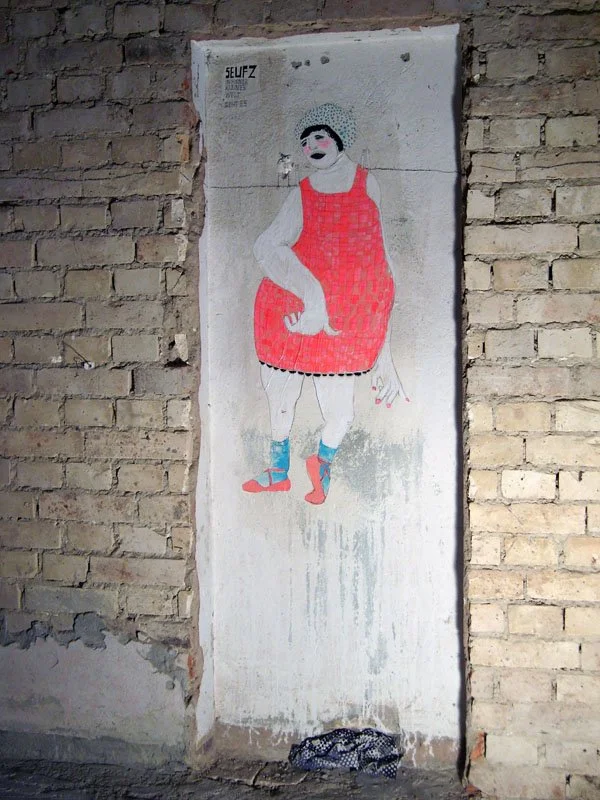
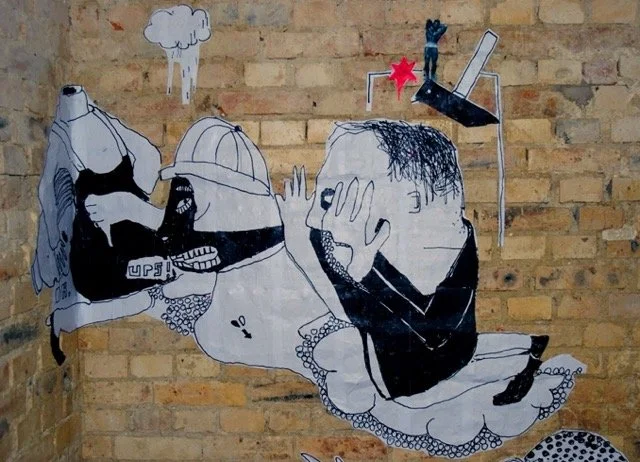
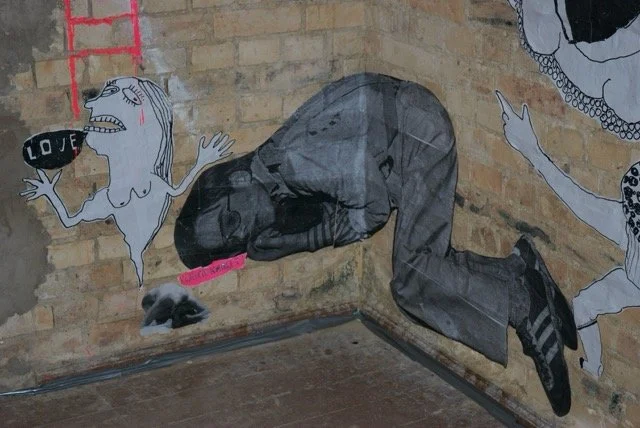
Frontalangriff auf unser Wertecistem
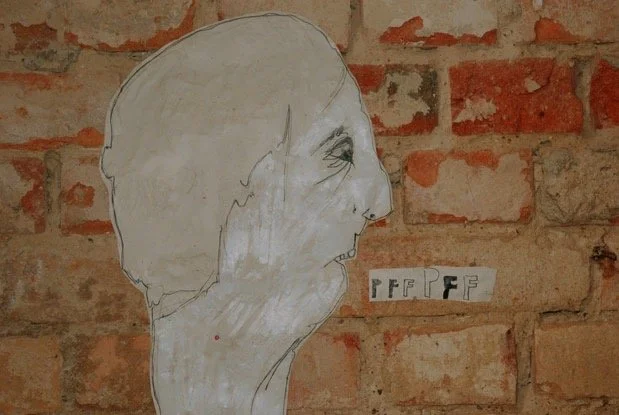
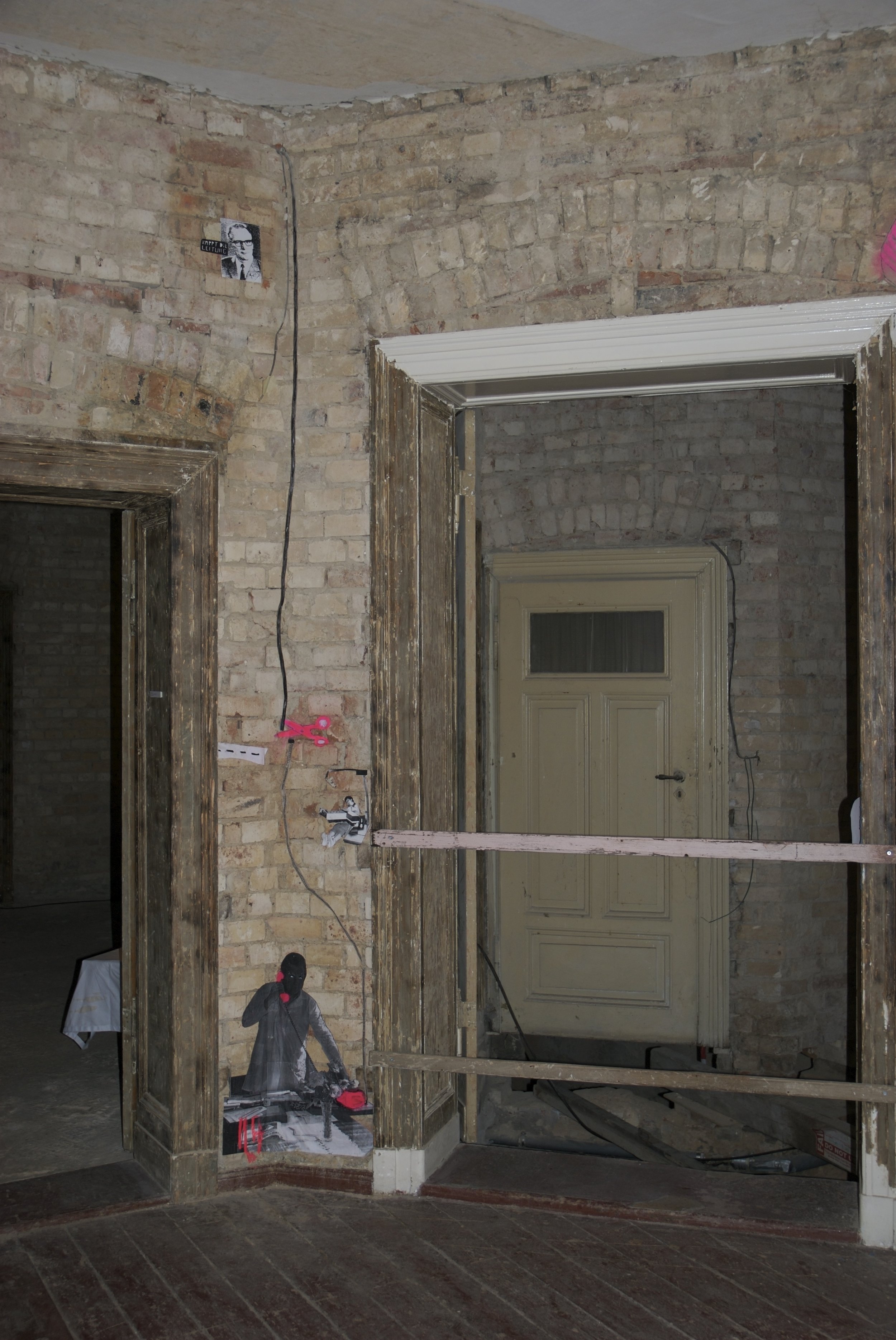
Schöner scheitern
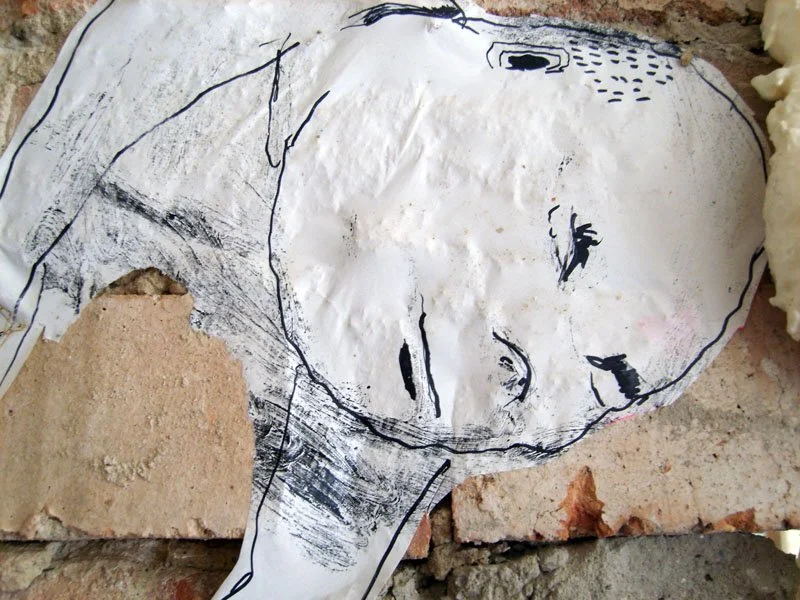
Wieder versuchen. Wieder scheitern. Besser scheitern.
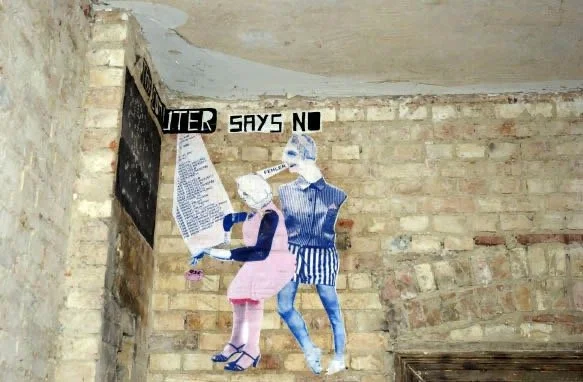
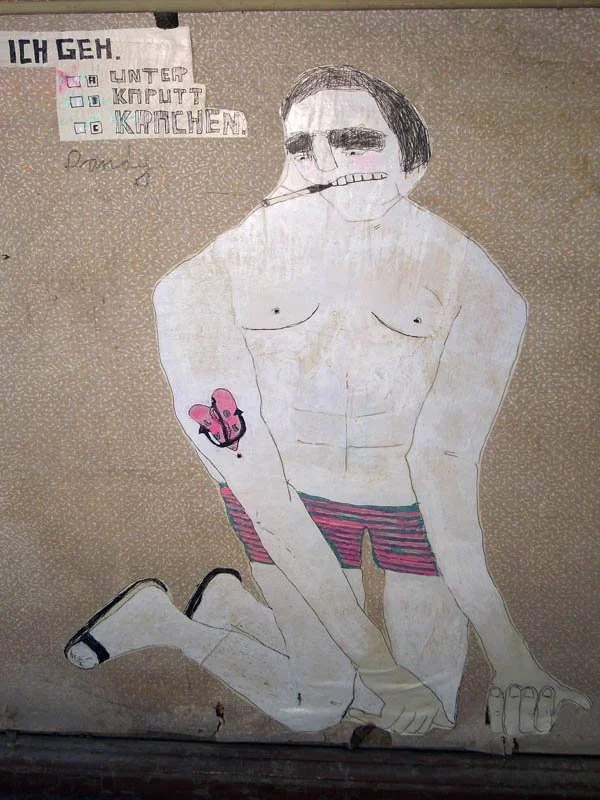
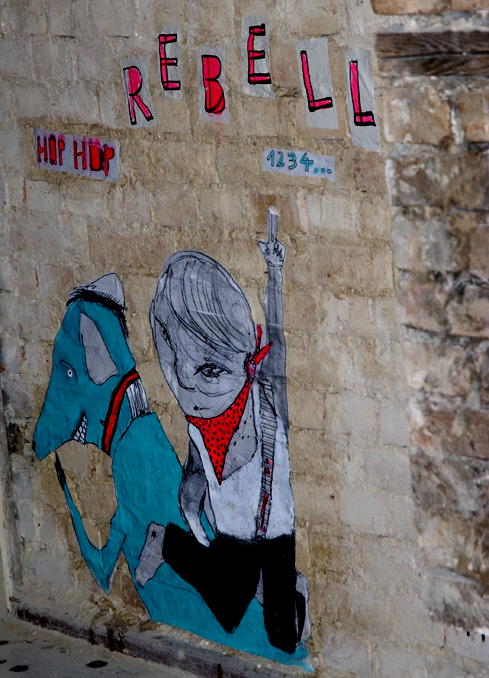
NIEMAND FÄNGT AN. ALLE SETZTEN FORT. TRITT EIN BRING GLÜCK HINEIN.
NO ONE STARTS. EVERYONE CONTINUES. COME ON IN AND BRING SOME LUCK.
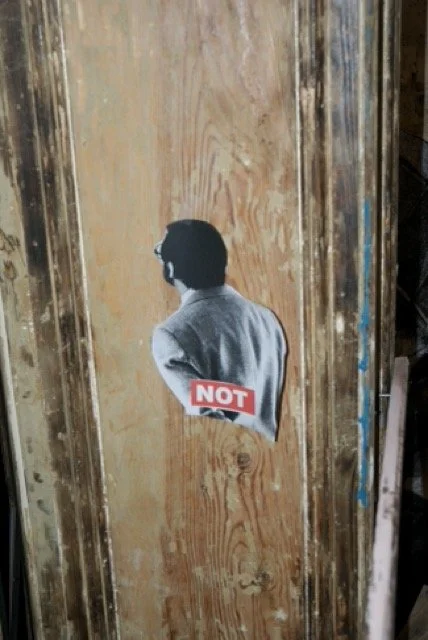
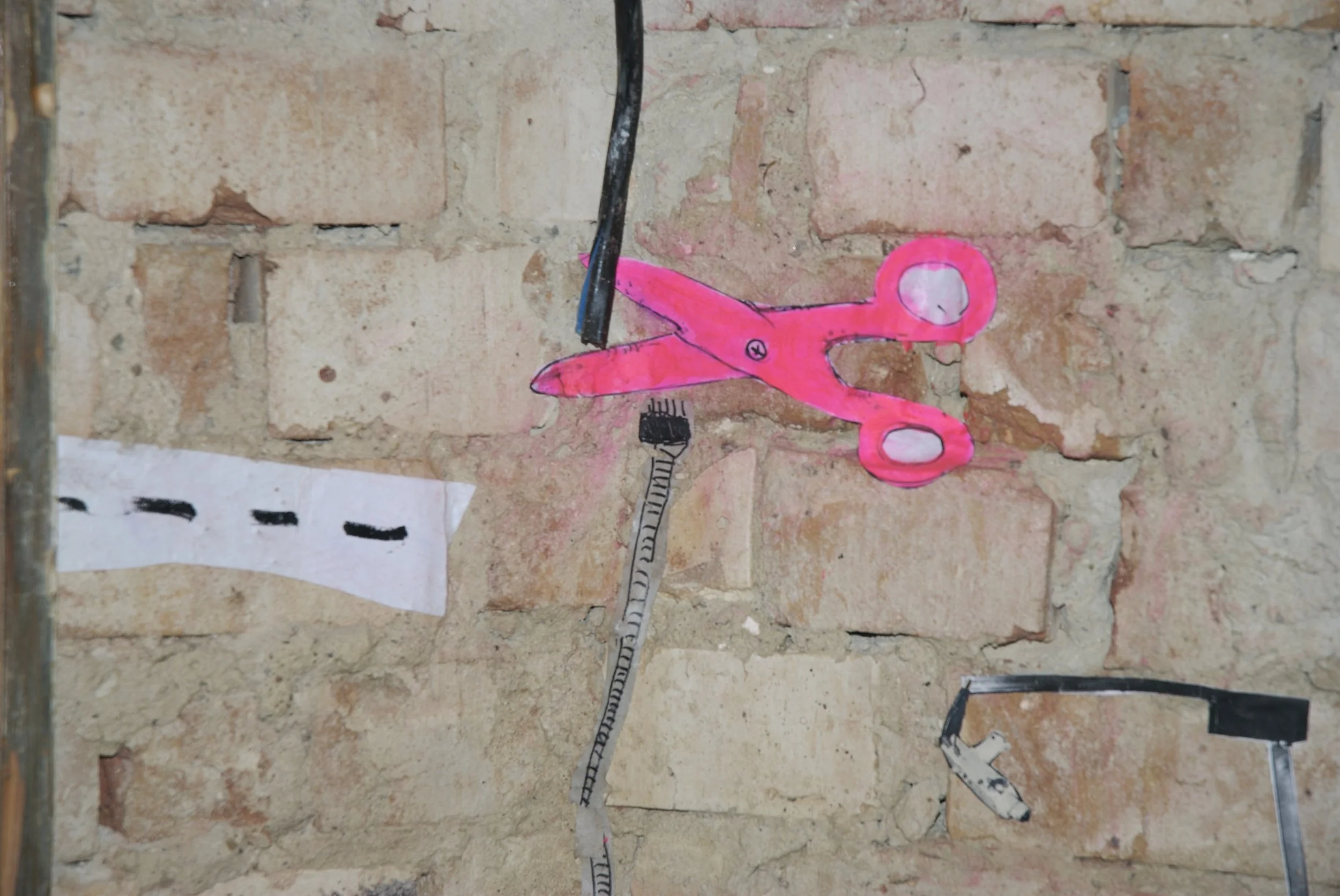
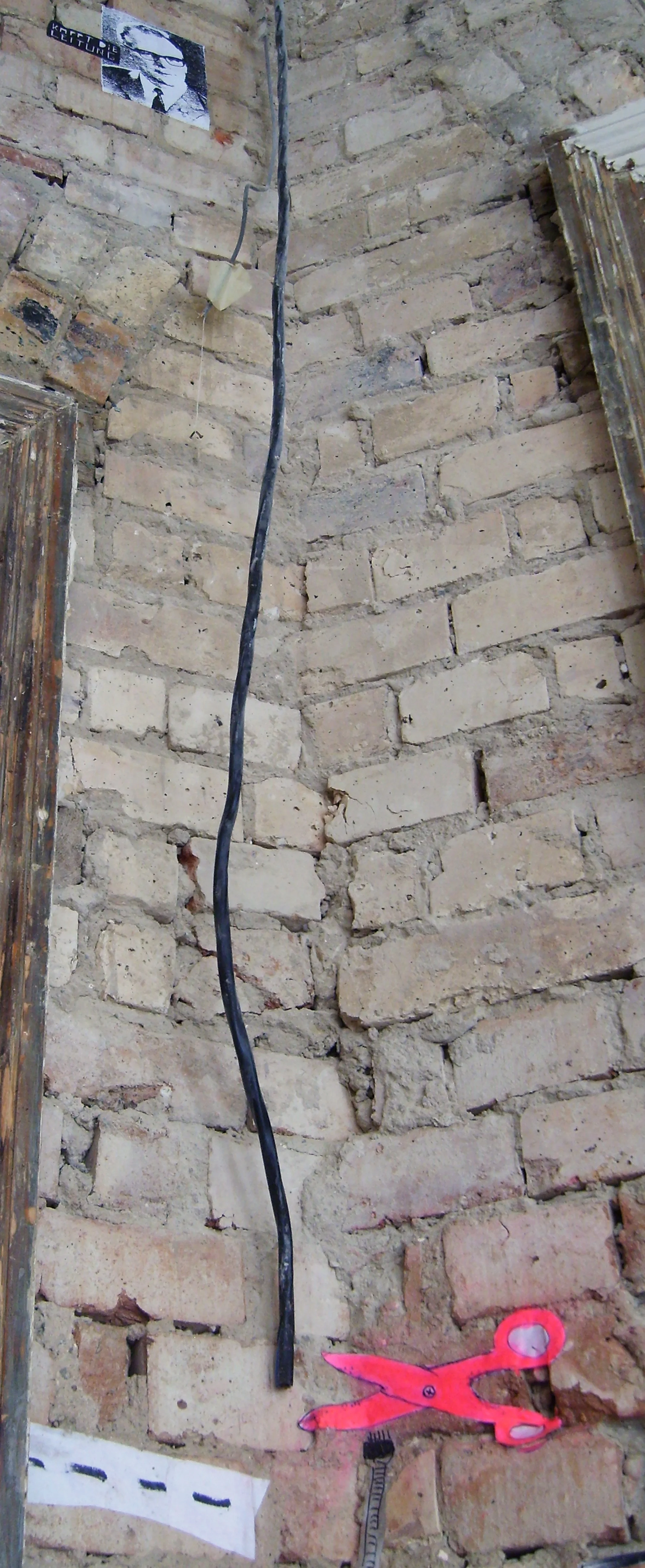



»I have not failed, I`ve found 10,000 wayz that don´t work.«
T.a. edison
»I'm always on top. When I'm down, then down is just up.«
Boxing Legend René Weller


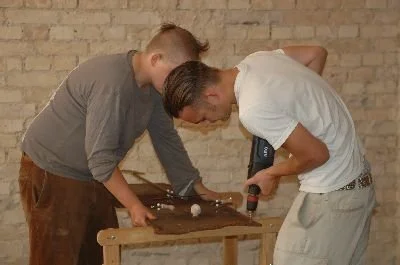
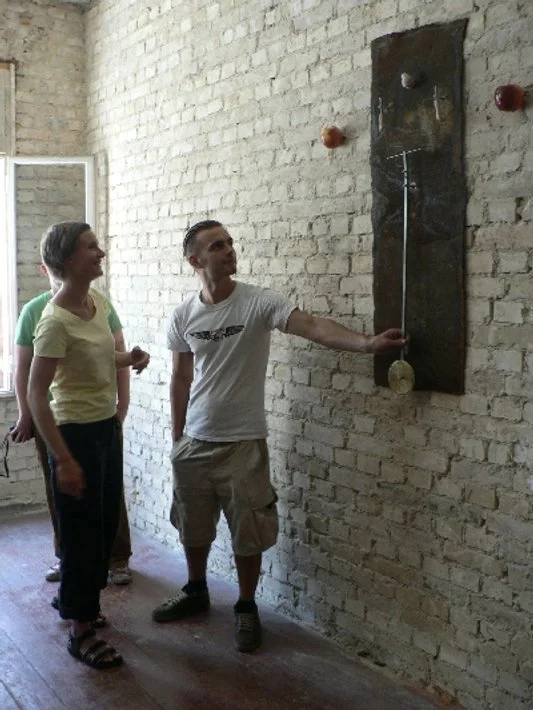
Willkommen im Hotel wirklichkeit
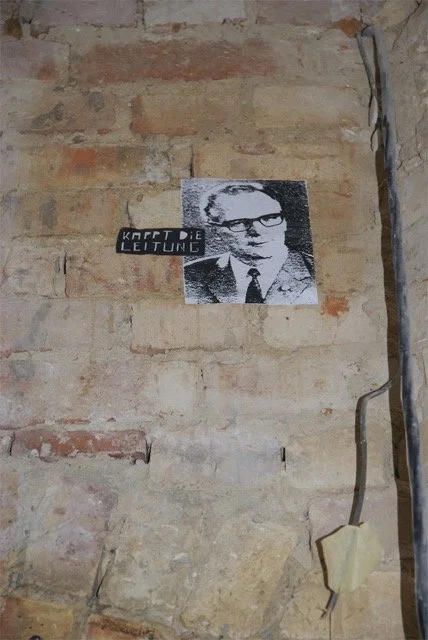
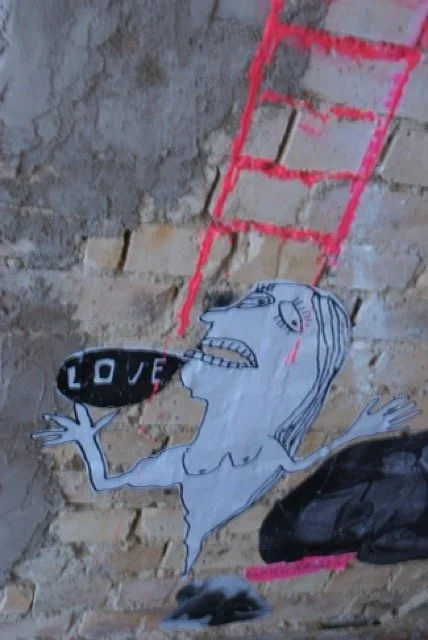
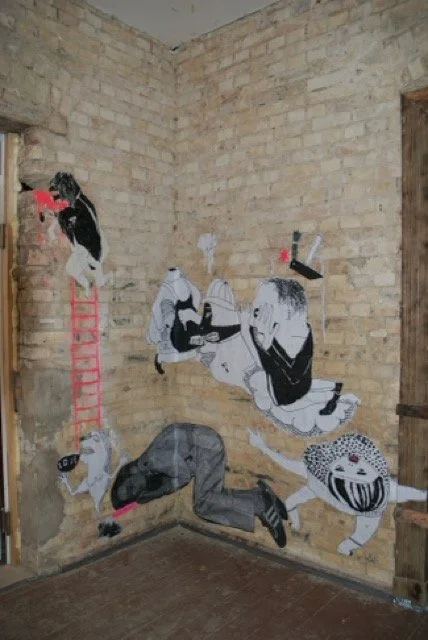
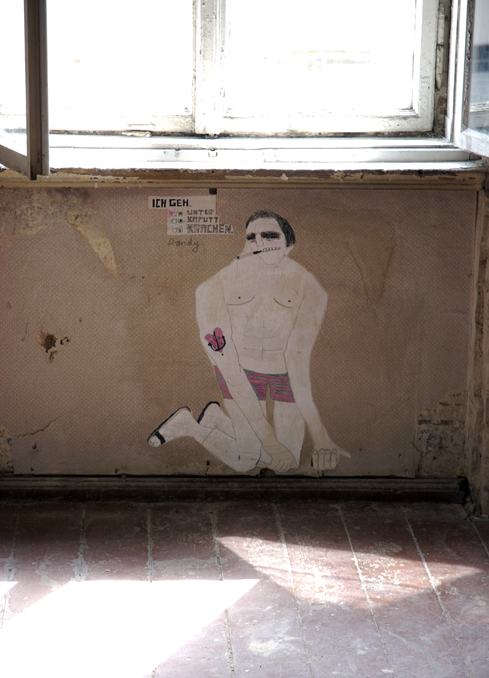
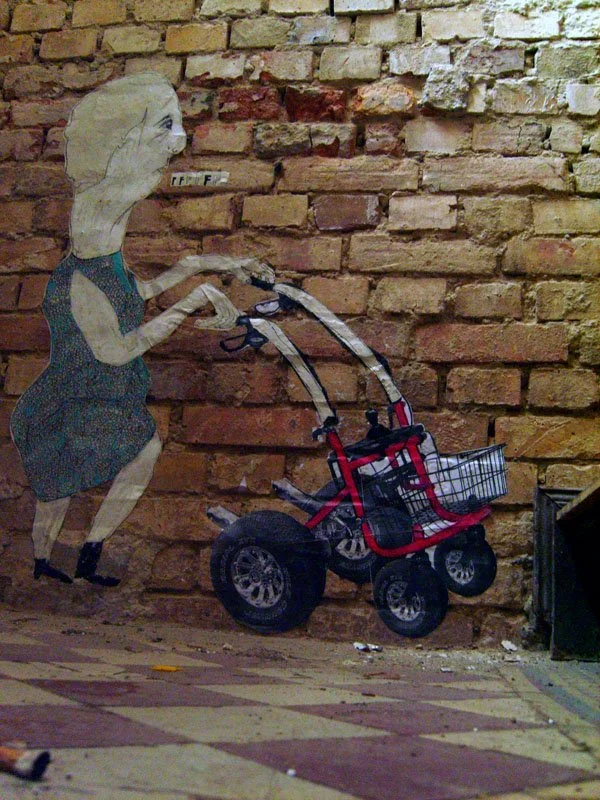
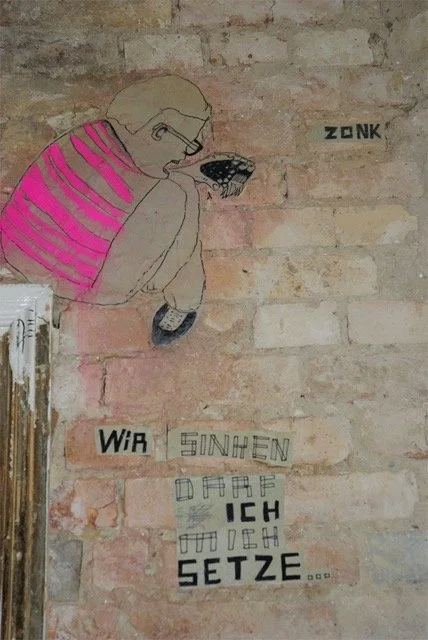
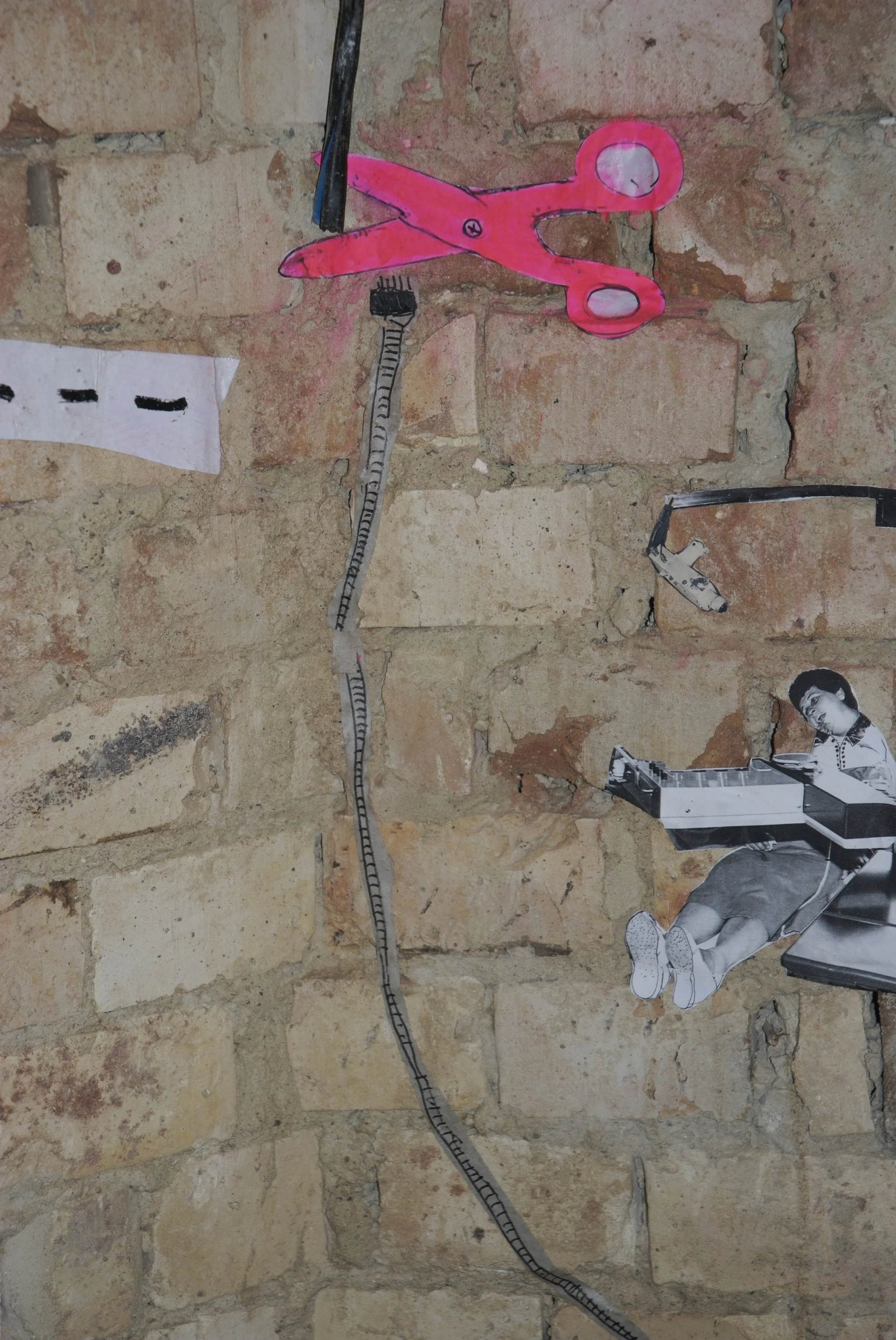
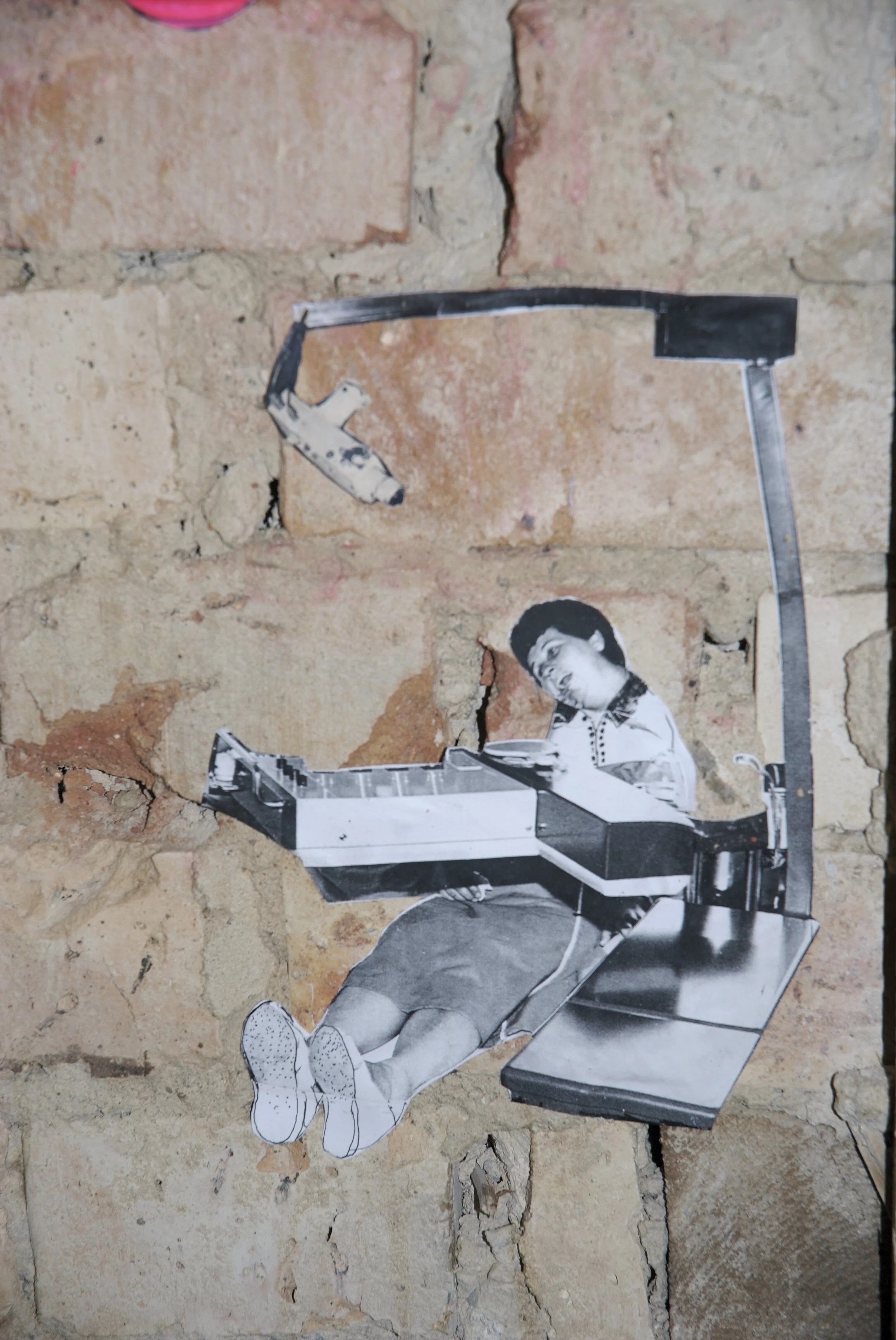
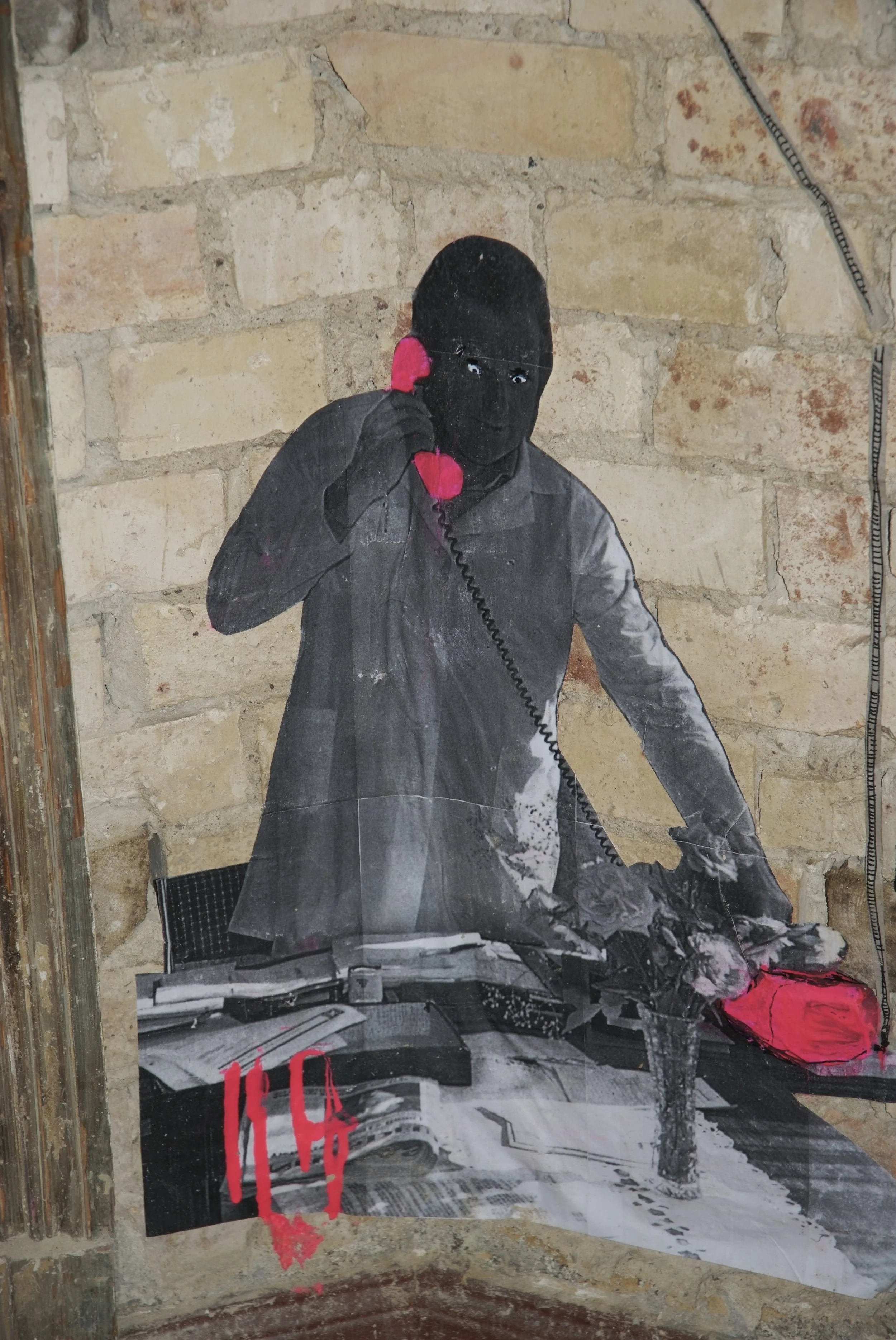
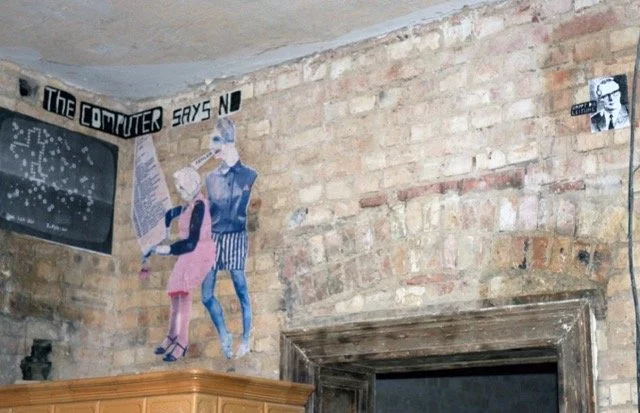
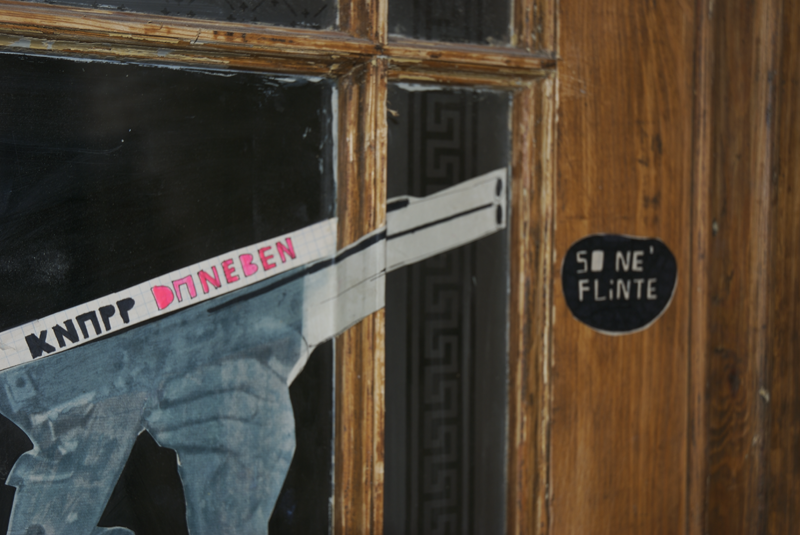
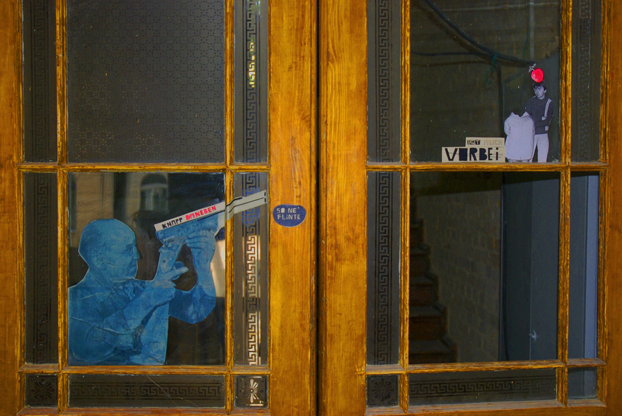
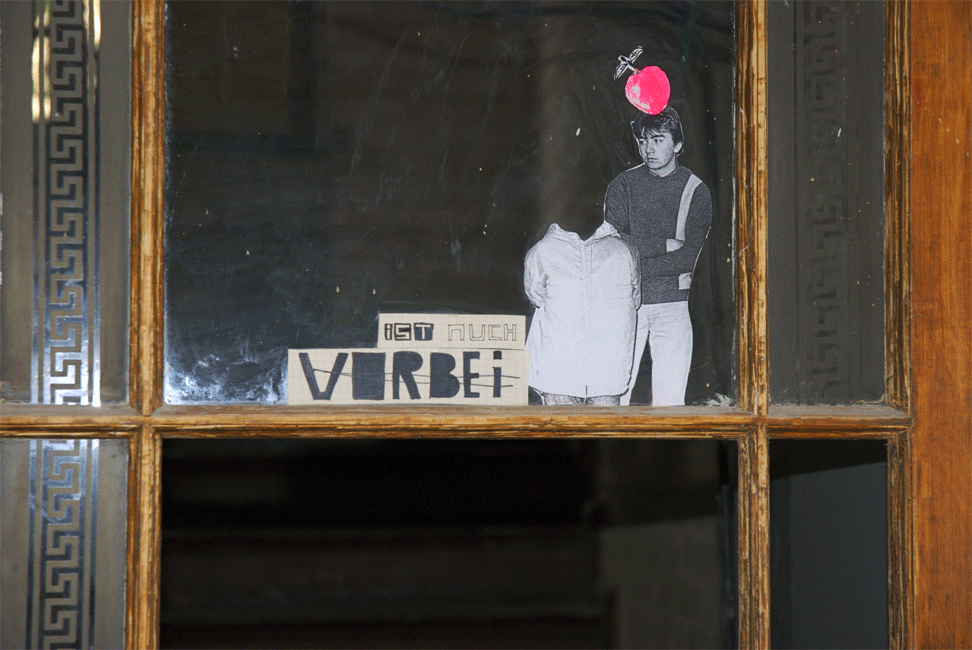
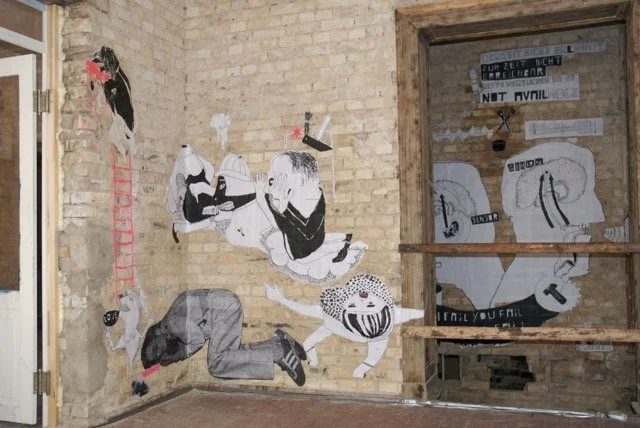
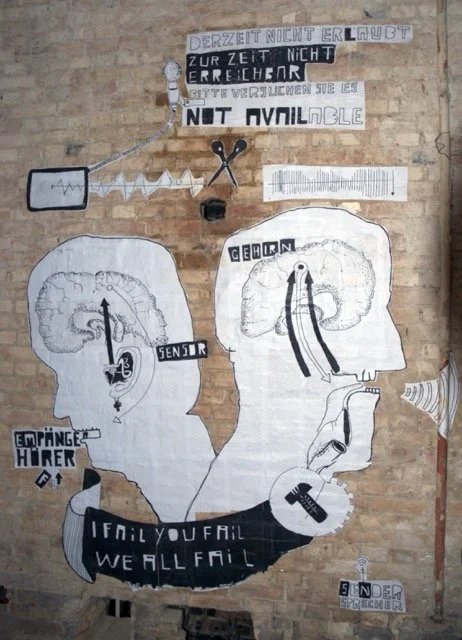
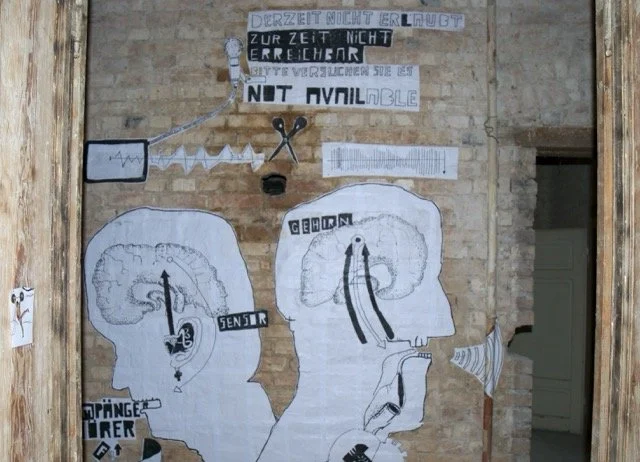
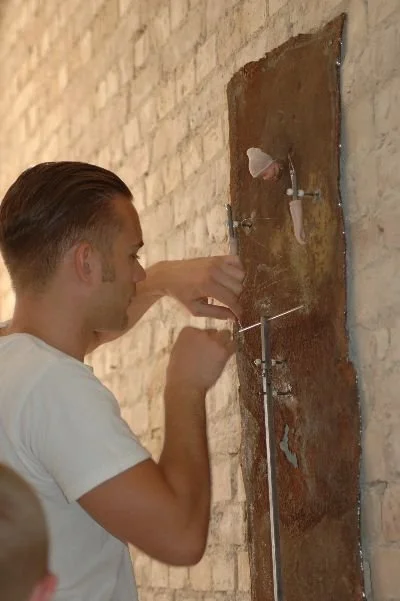
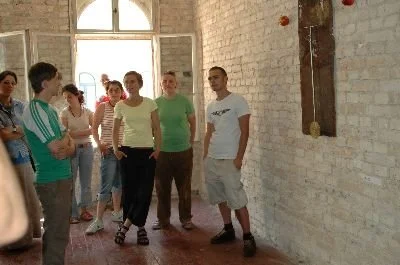
Under the title “Welcome to Hotel Reality” (Willkommen im Hotel Wirklichkeit), a unique cooperative project was launched in 2007 between the Thalia Theater Halle and the Burg Giebichenstein University of Art and Design Halle. For a brief period, the vacant building of the former Youth Hotel on Kardinal-Albrecht-Straße was transformed into a space for intense artistic exploration, a vibrant studio, and a venue for international encounters.
As part of an interdisciplinary course led by Prof. Nina Pagalies, students from Burg Giebichenstein and bulgaria tackled subjects rarely found in classic picture books, such as youth unemployment, social inequality.
The project aimed to examine and critically question real-life realities. Students sought answers to what abstract statistical figures actually mean for the real lives of those affected, while exploring parallels within their own lives.
A key approach was making the living conditions of the youth involved in the hotel project tangible. The resulting conceptual ideas reflected the full spectrum of real life, meaning that melancholic moments and dark sides found their place in "Hotel Reality" just as much as humor, newfound hope, and a sense of new beginnings.
Furthermore, the Youth Hotel platform was used for a creative international encounter. Together with six guest students from Bulgaria—representing Sofia University “Kliment Ohridski” and the National Academy for Theatre and Film Arts “Krastyo Sarafov”—the Halle-based students artistically explored German and Bulgarian proverbs about work. This exchange across language and cultural barriers sparked valuable creative inspiration and highlighted differing perspectives on the concept of labor.
The project was deeply rooted in practice: the “Youth Hotel Halle” (Jugendhotel Halle) was an initiative by the Thalia Theater, where young people created their own future workplaces by building a cultural hotel, supported by social workers. The multi-faceted results of this artistic journey into the city's reality were ultimately exhibited directly in the rooms of the Youth Hotel as part of the cultural theme year of the Francke Foundations (Franckesche Stiftungen).
Halle saale, 2007
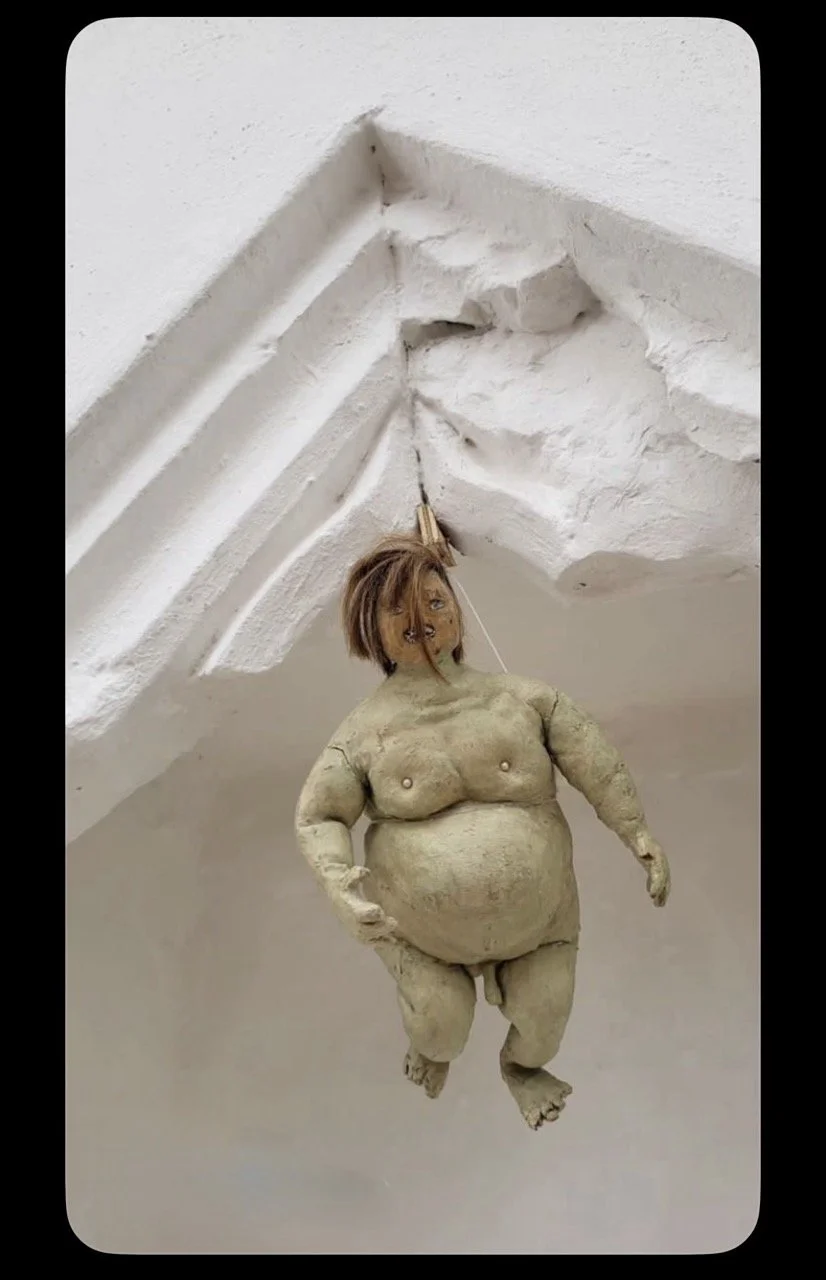
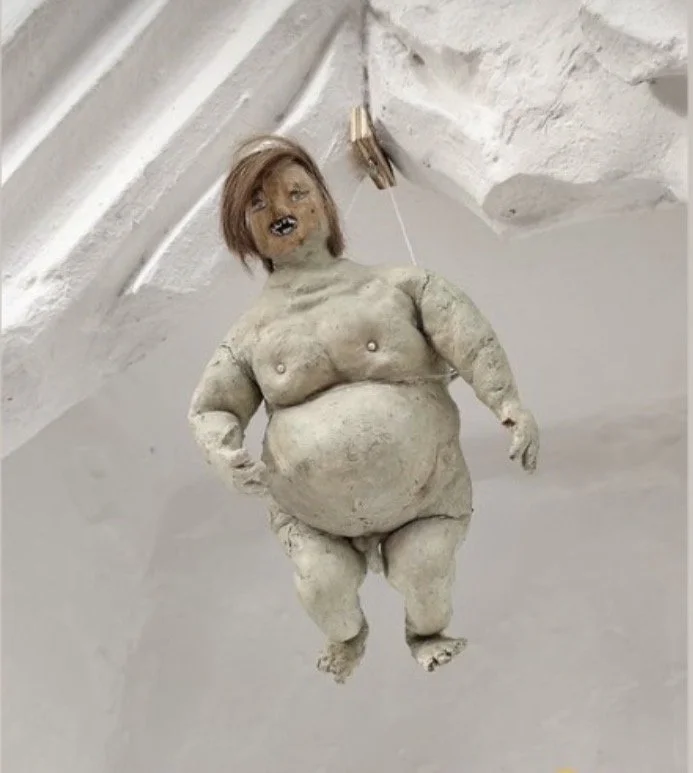
un~
broken
doll
art
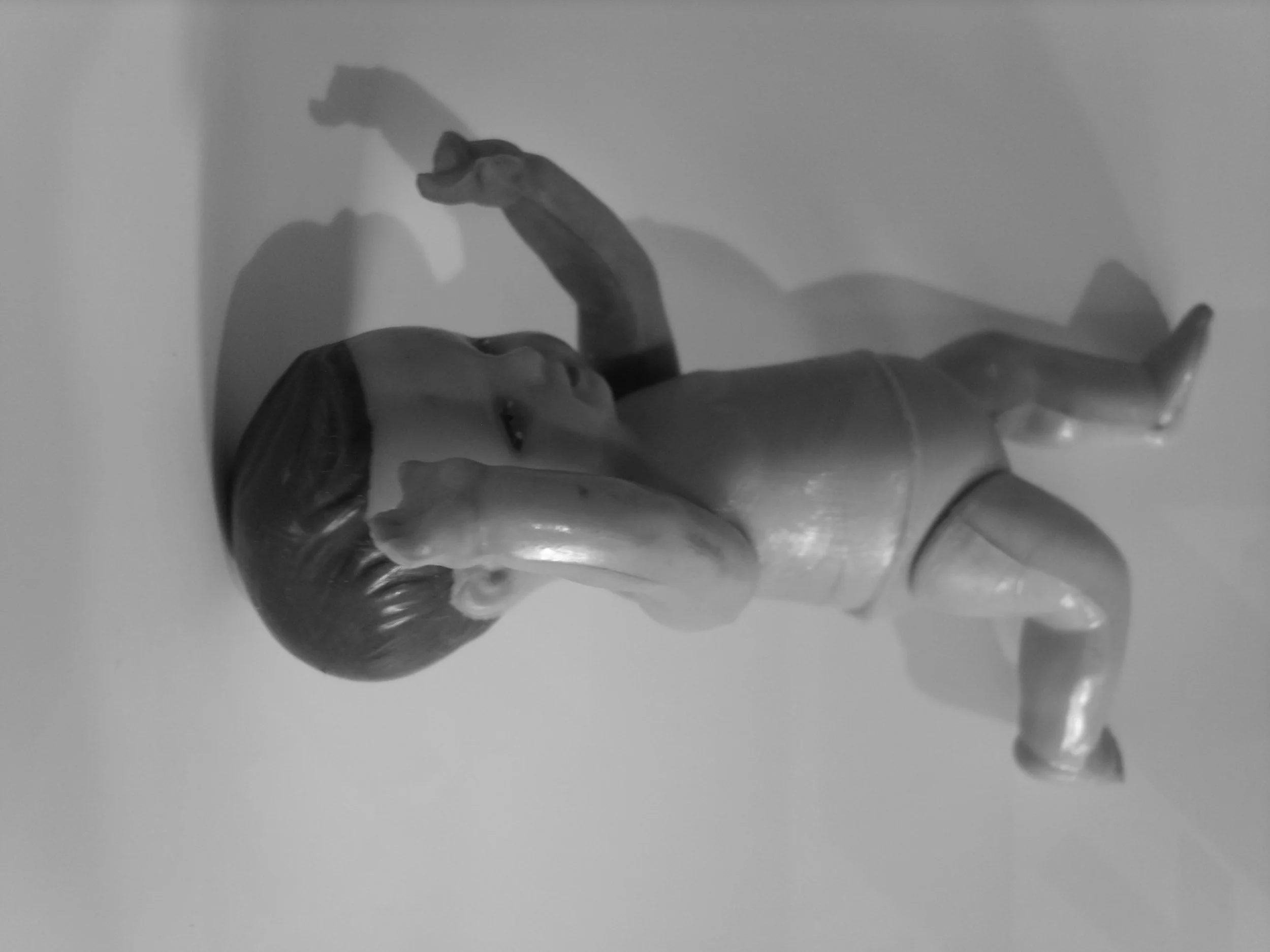
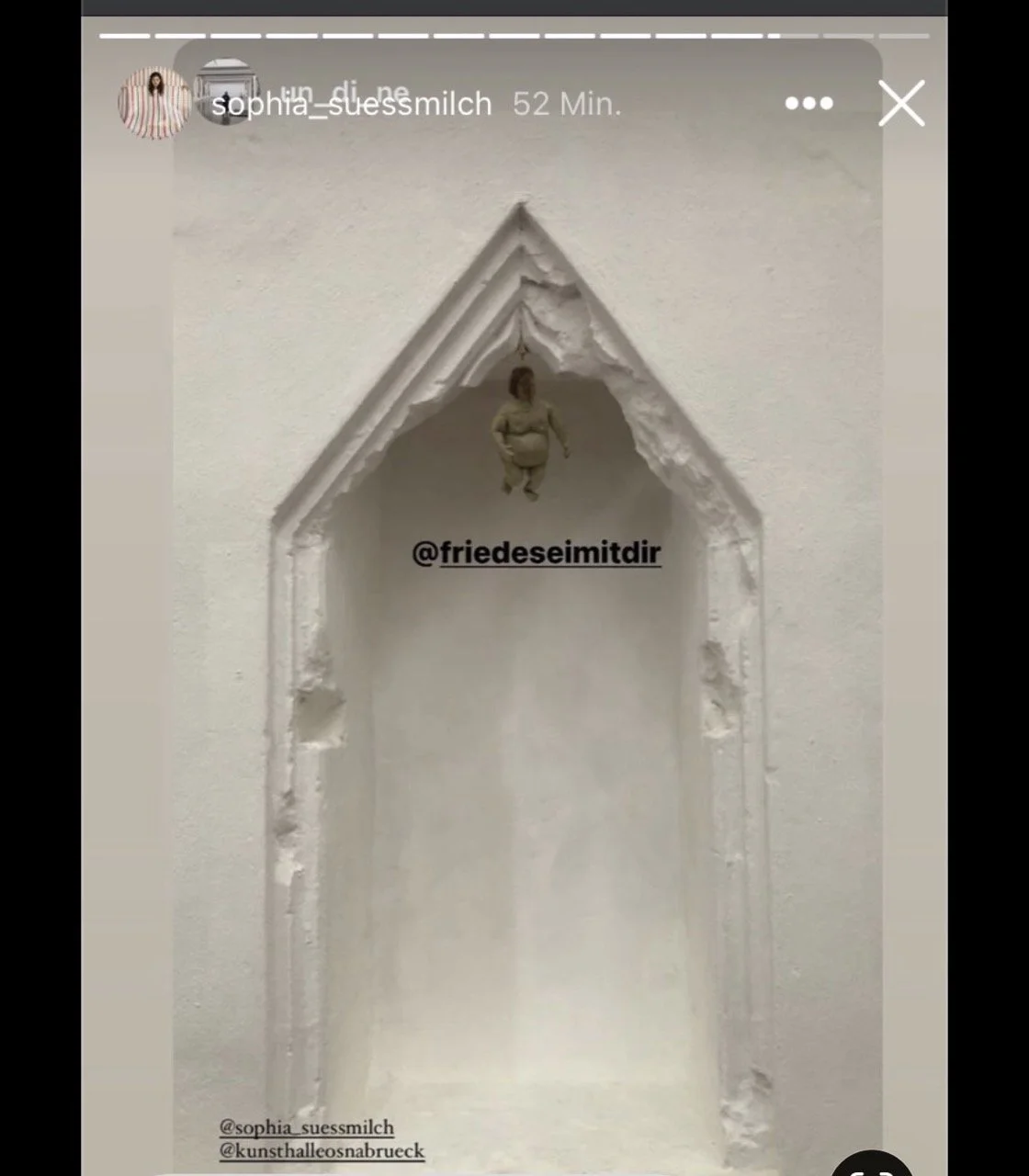
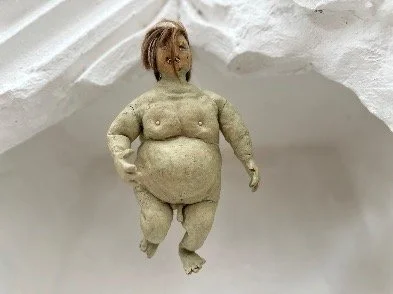
doll, trans masc butch, 2009
on display as part of the solo exhibition “Then I'll huff and I'll puff and I'll blow your house in” (2024) by artist Sophia Suessmilch at the Kunsthalle Osnabrück. (in an old church)