
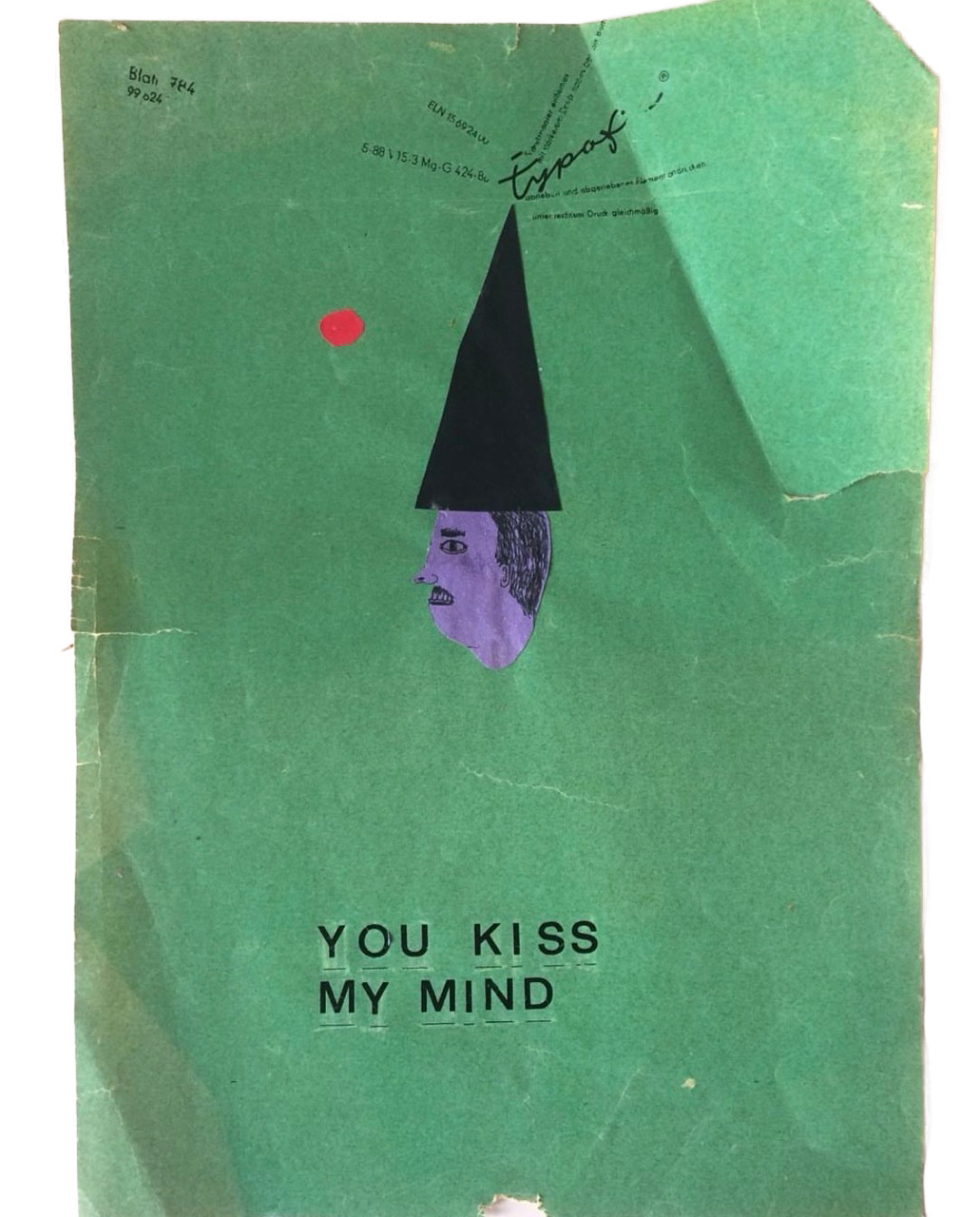
hooray,
I survived yesterday
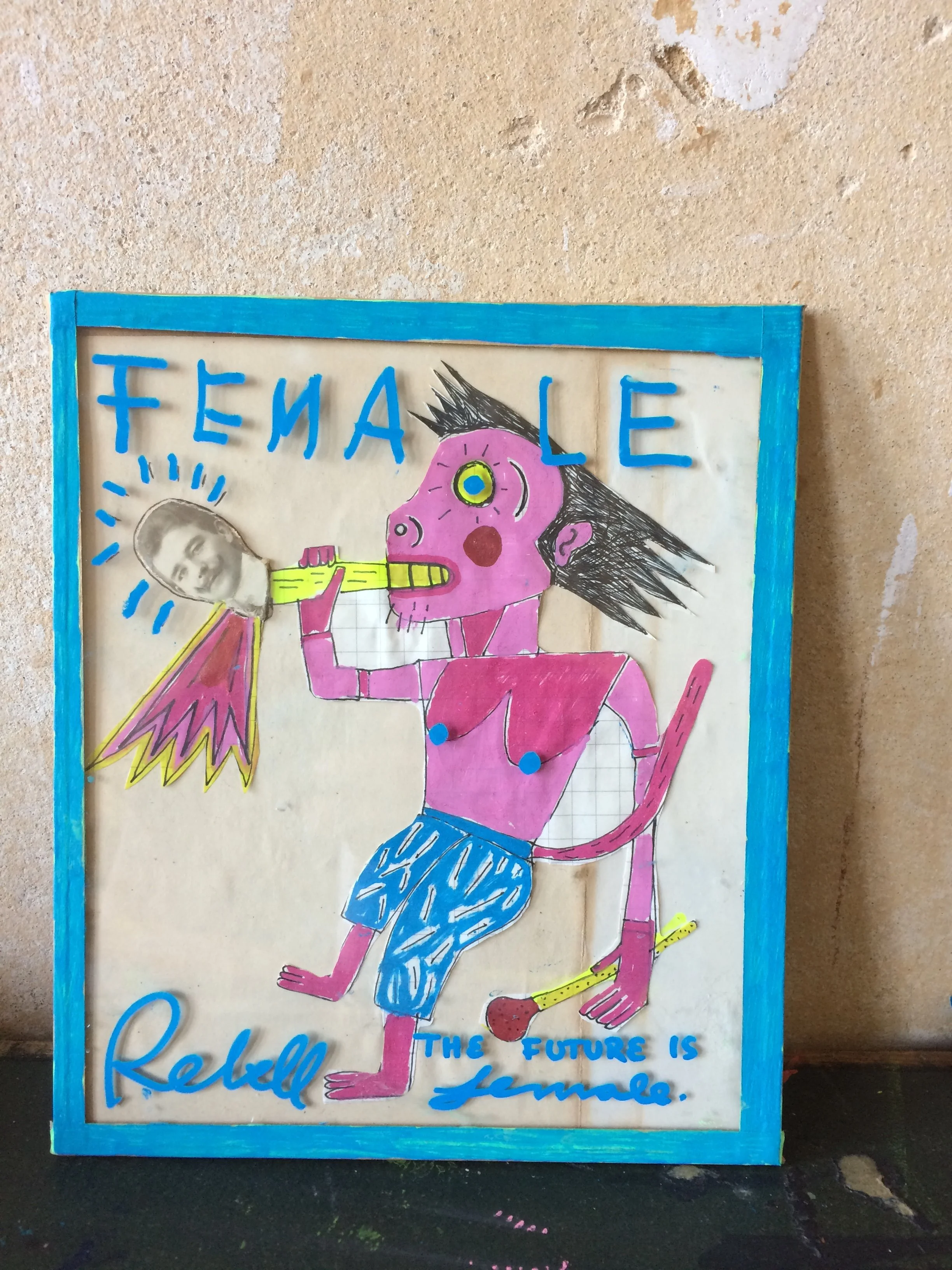
T H E F U T U R E I S F E M A L E*
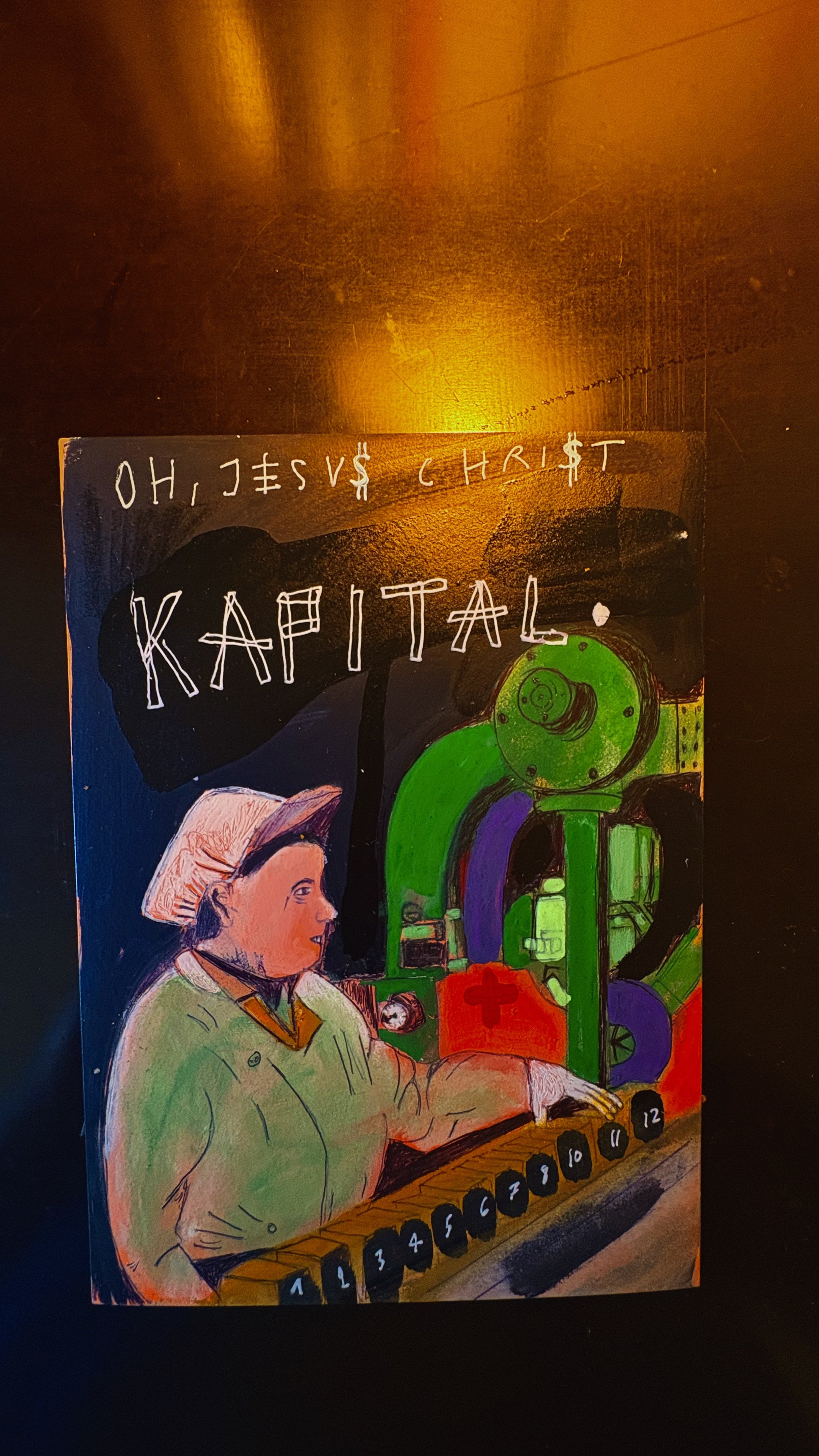
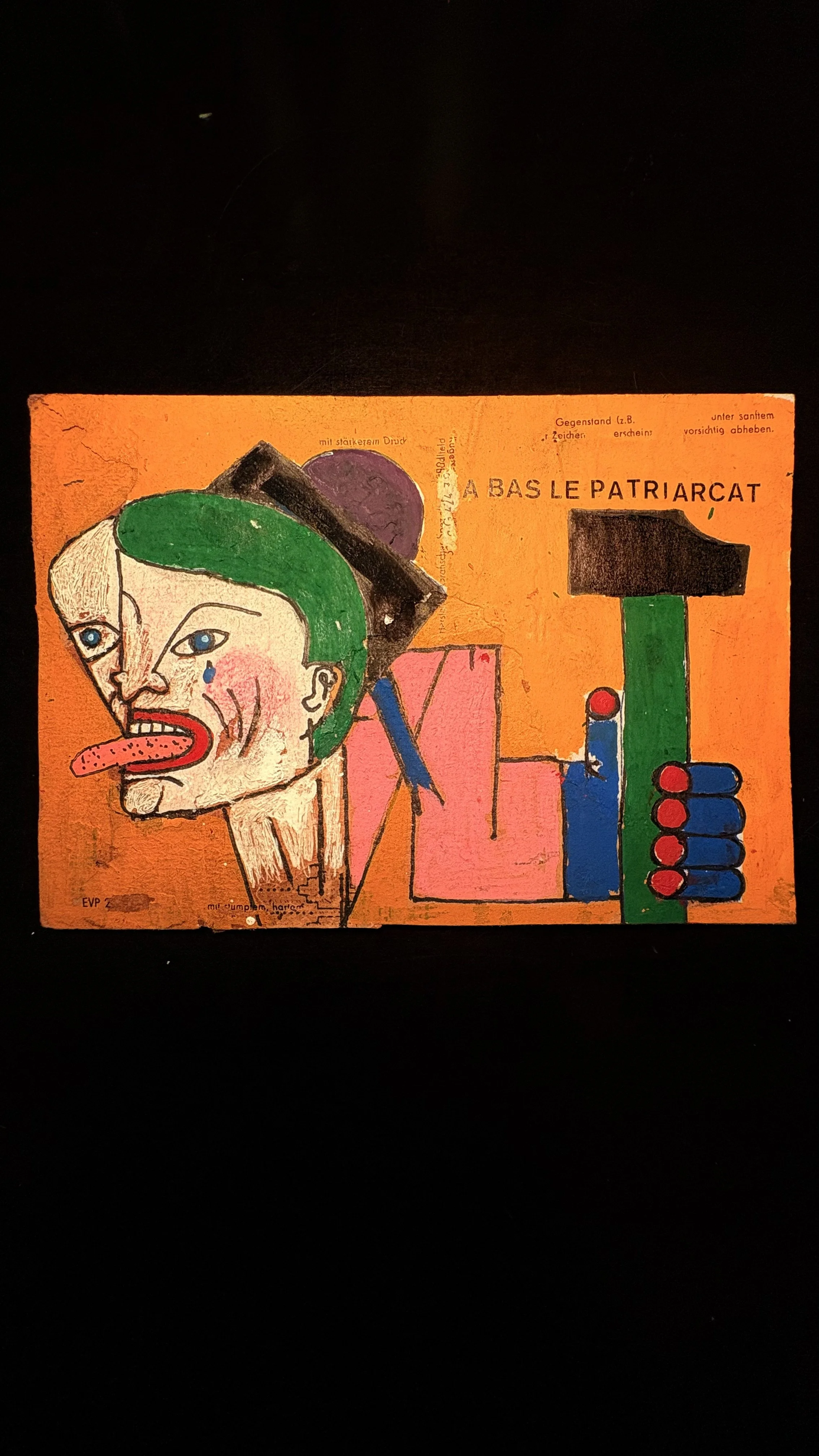
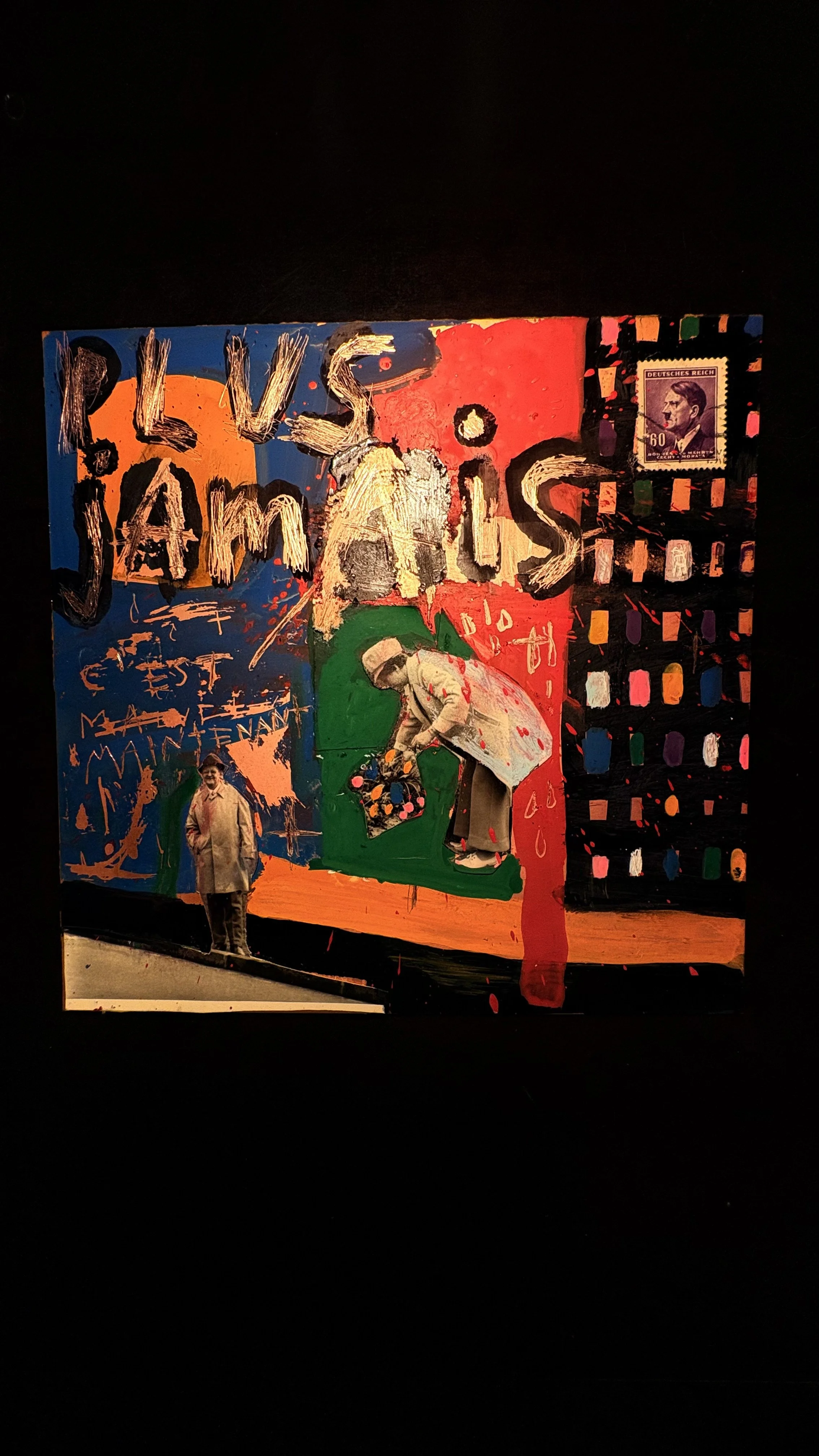
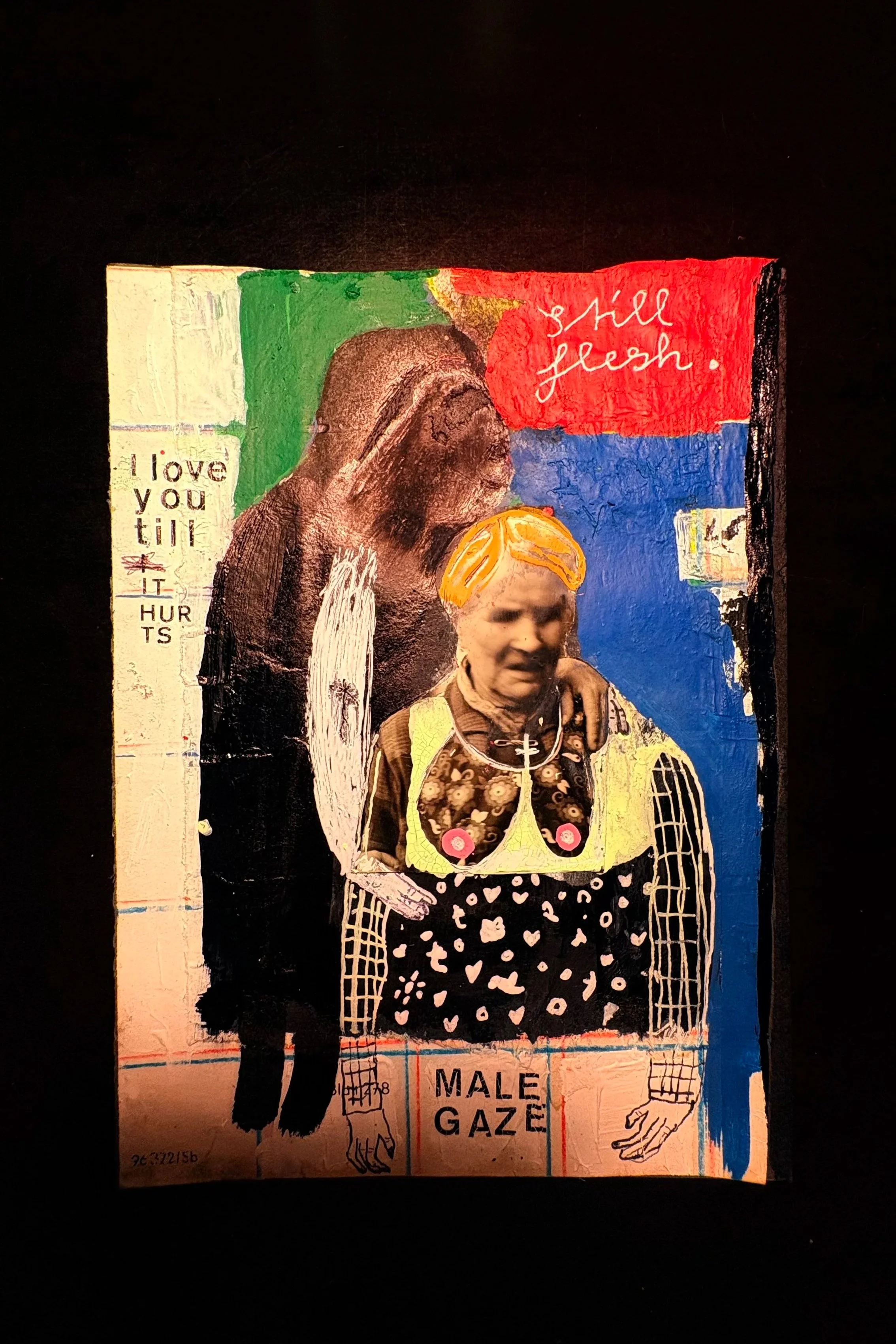
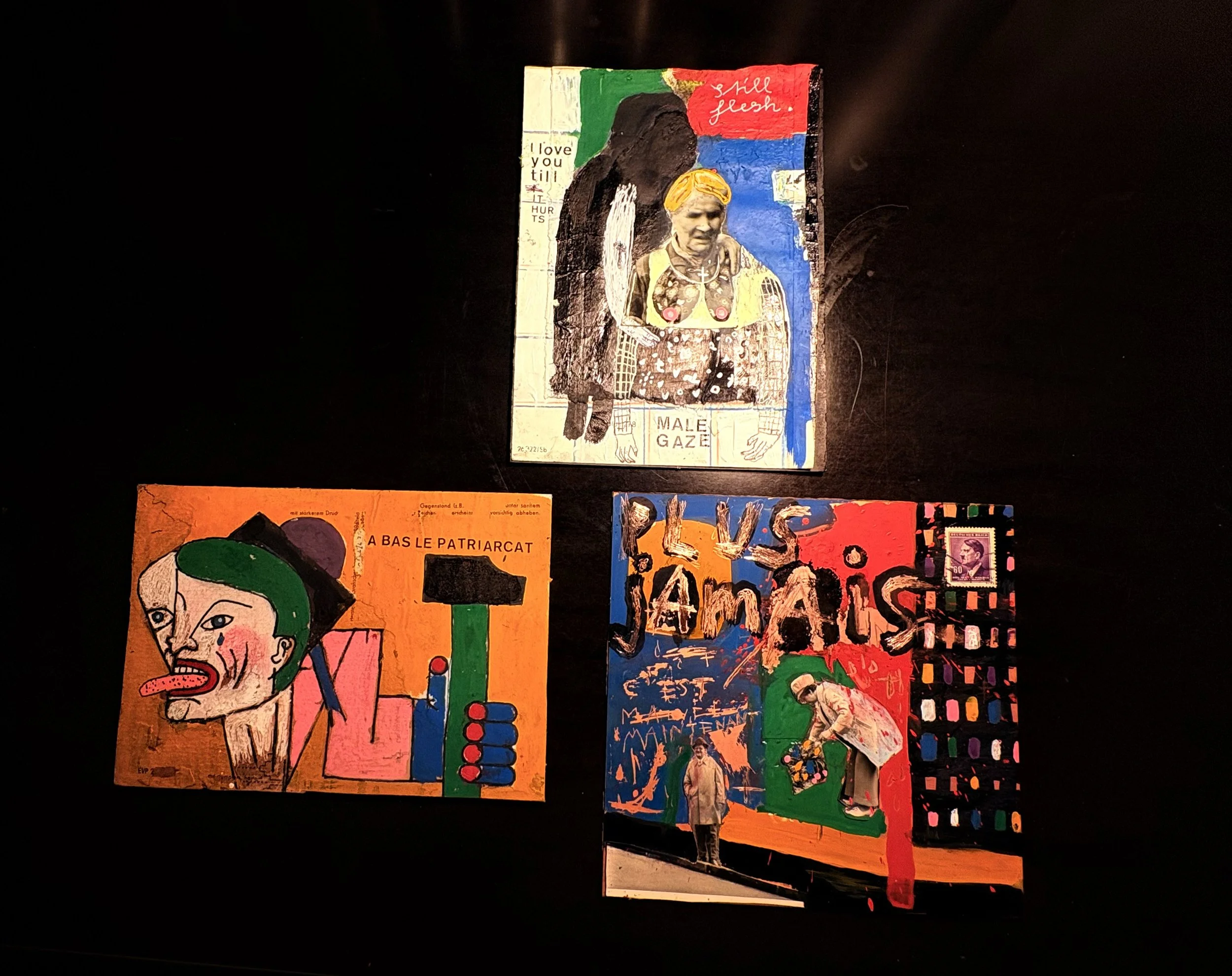
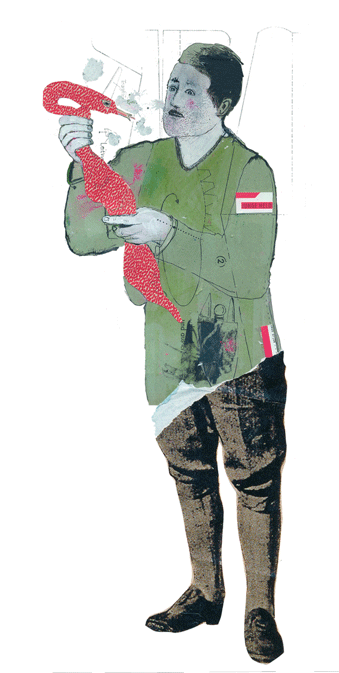
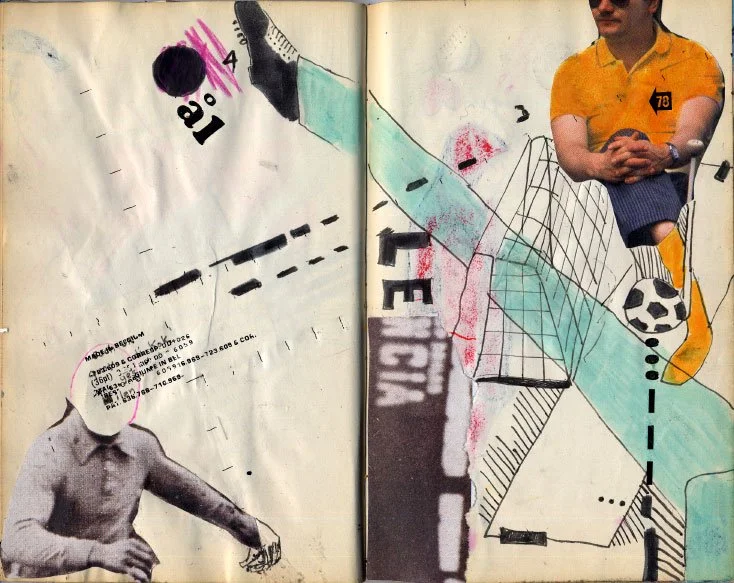
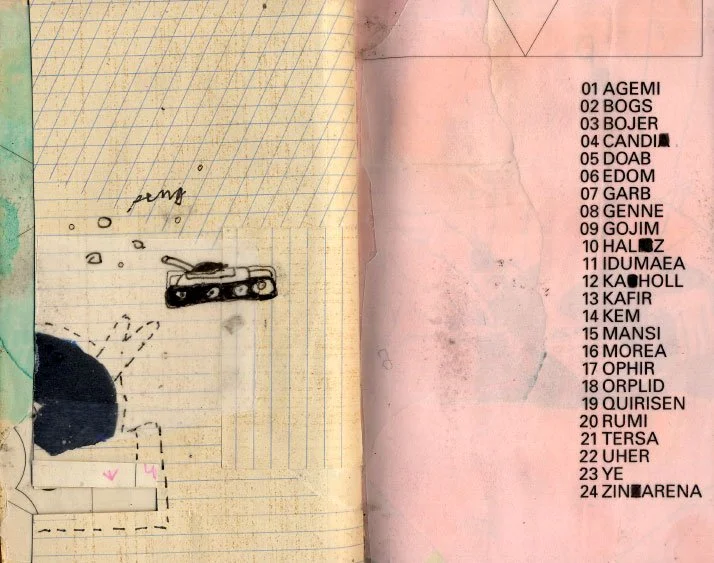
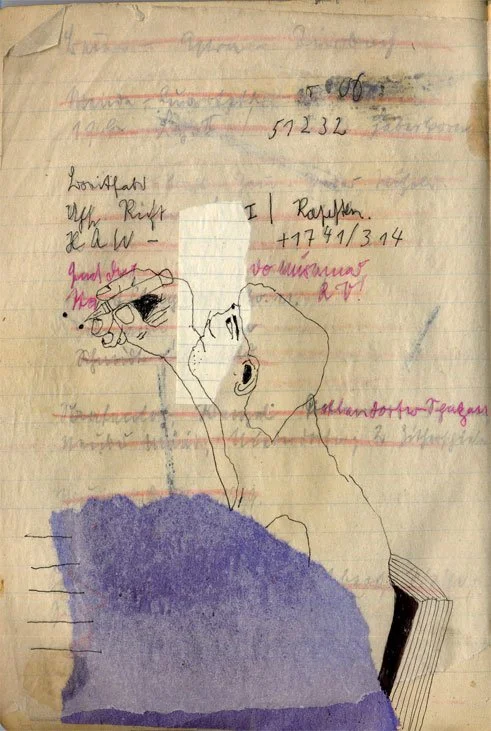
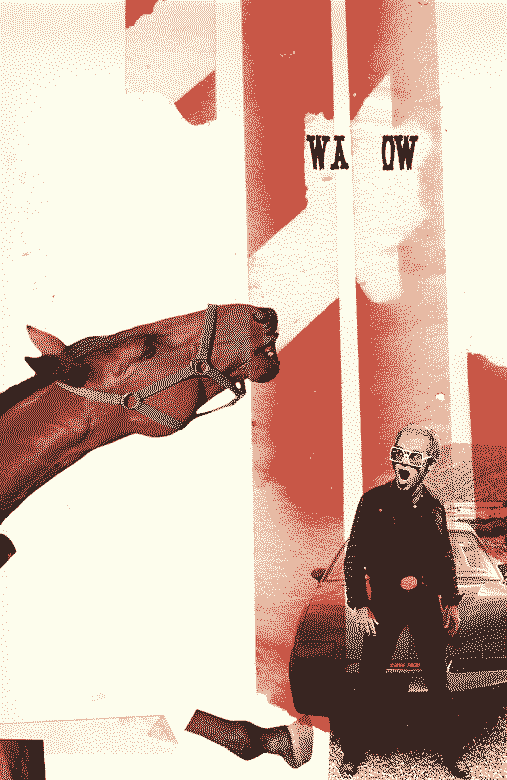
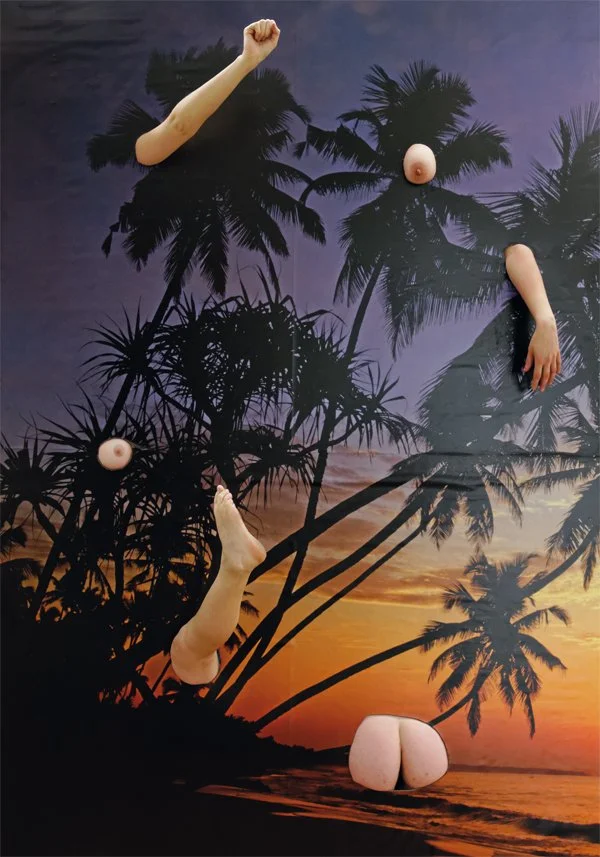
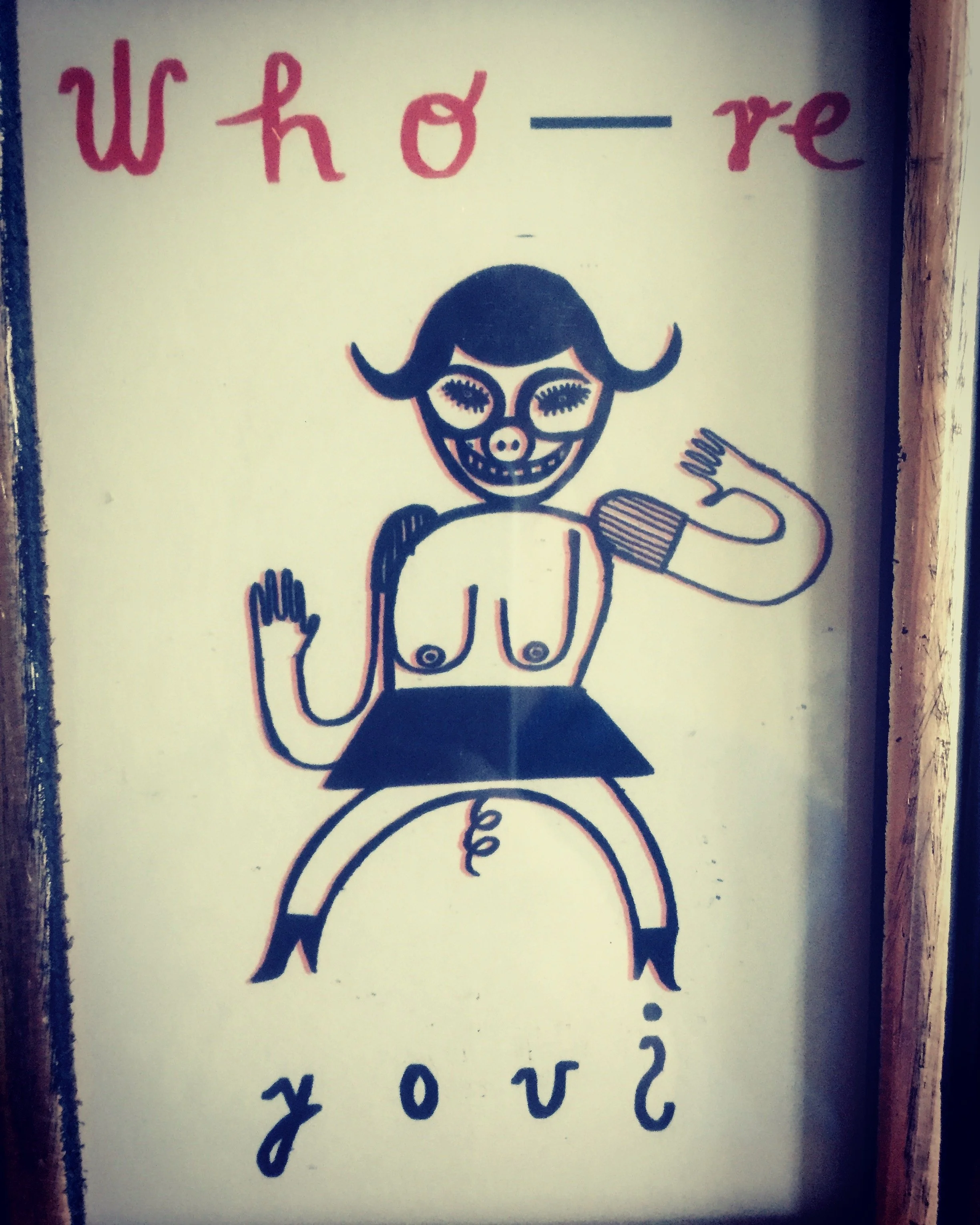
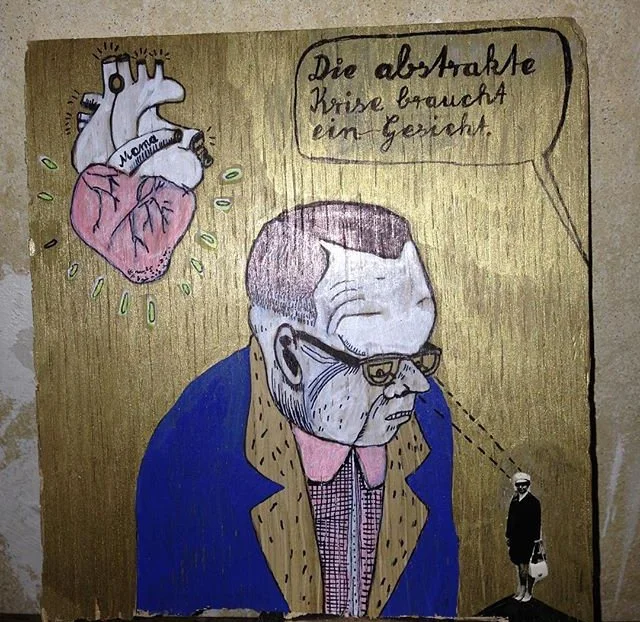
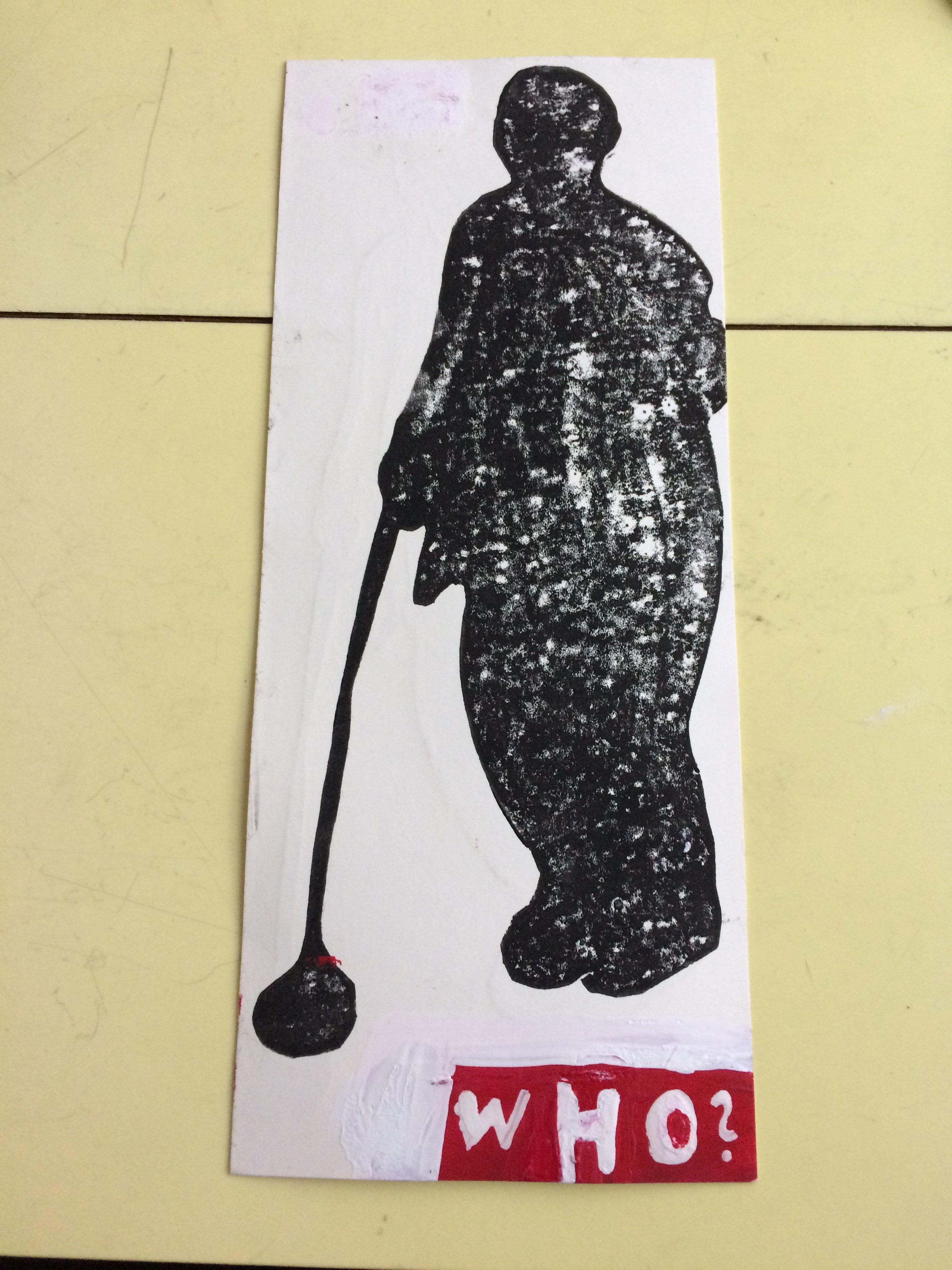
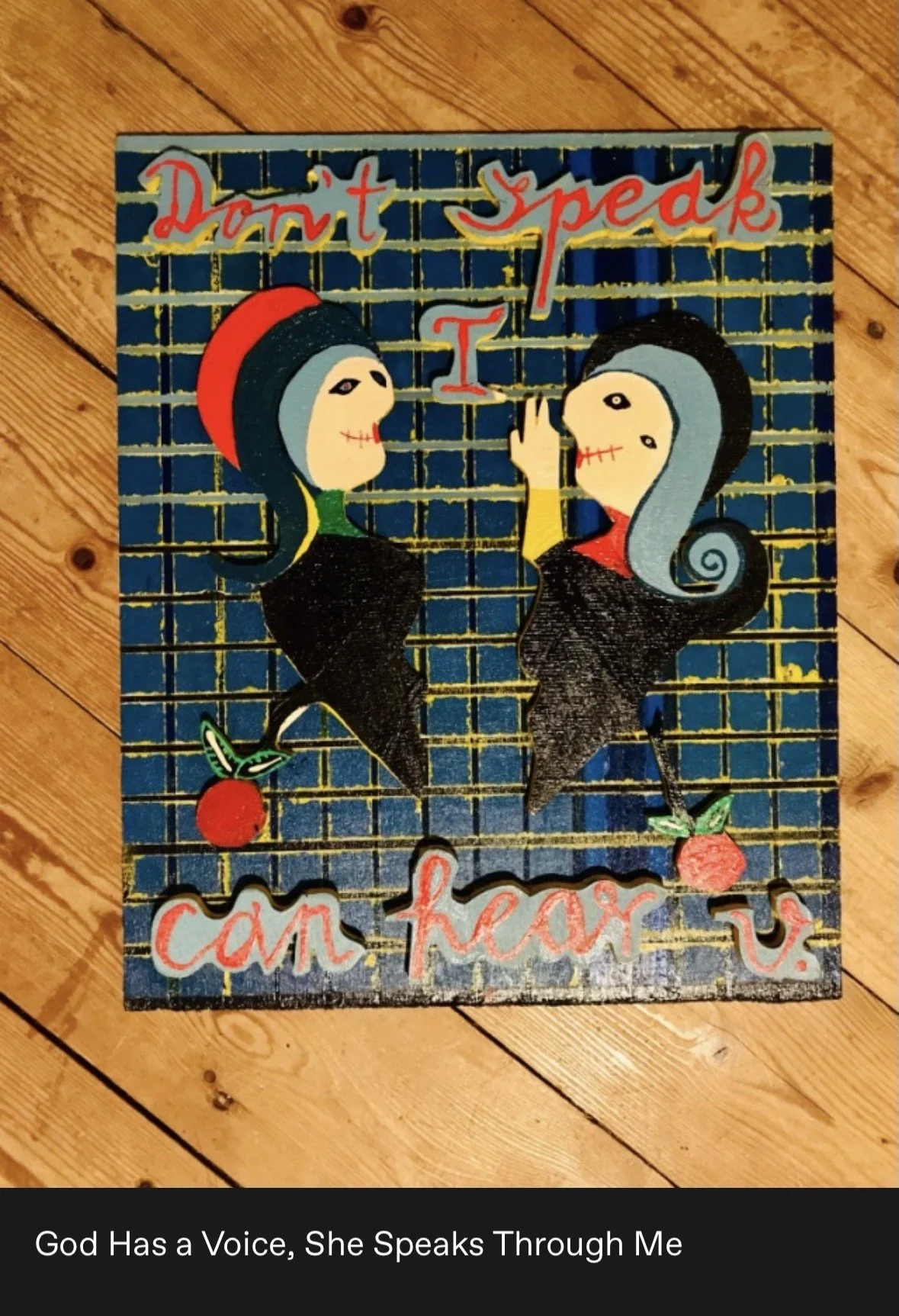
This three-part series serves as a visually powerful protest manifesto that explores the intersections between historical trauma, feminist theory, and political emancipation. #femalerebell. Stylistically rooted in Neo-Expressionism, Art Brut and Appropriation Art, the works are characterized by a raw, visceral mixed-media aesthetic that combines impulsive painting, bold typography, and historical collage elements—including artifacts from the GDR and archival stamps (Flea market or street finds)T H E F U T U R E I S F E M A L E.
This three-part series serves as a visually powerful protest manifesto that explores the intersections between historical trauma, feminist theory, and political emancipation. #femalerebell. Stylistically rooted in Neo-Expressionism, Art Brut and Appropriation Art, the works are characterized by a raw, visceral mixed-media aesthetic that combines impulsive painting, bold typography, and historical collage elements—including artifacts from the GDR and archival stamps (Flea market or street finds)
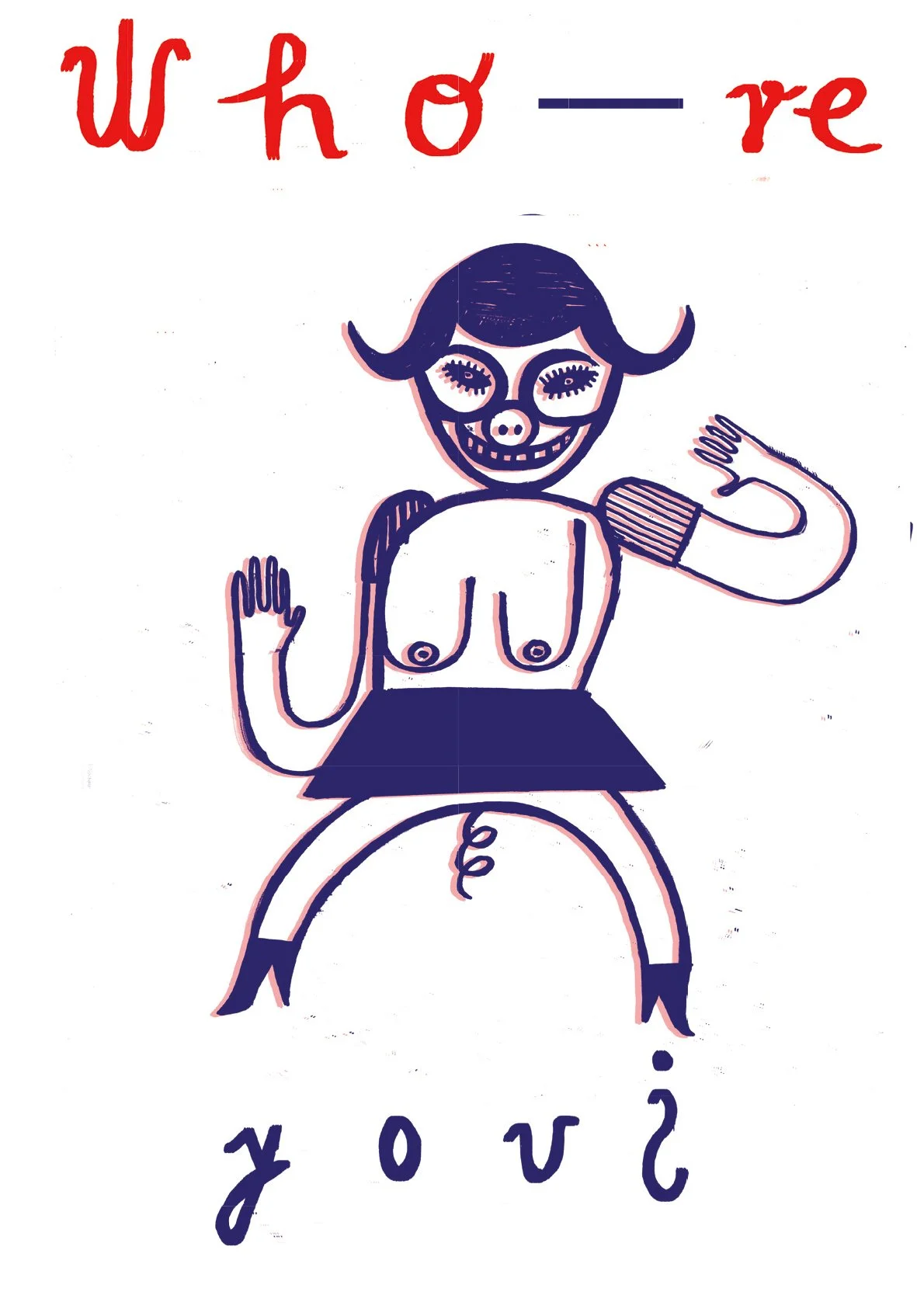
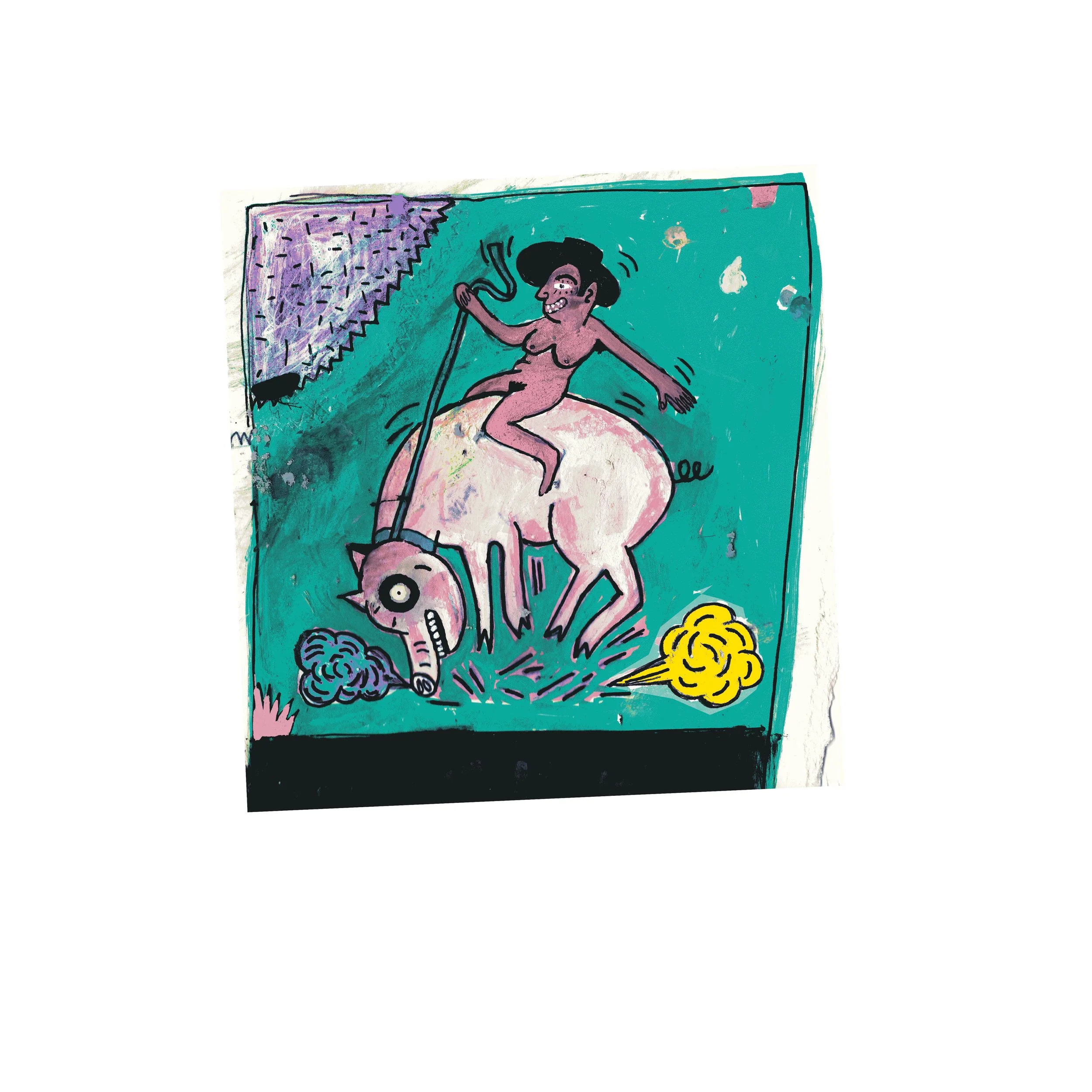
From an examination of collective guilt («PLUS JAMAIS«) to the deconstruction of voyeuristic power dynamics (»MALE GAZE«) and an uncompromising call for structural subversion (»À BAS LE PATRIARCAT«), the series forms a continuous, unvarnished chronicle of resistance. Ultimately, it compels the viewer to grapple with the uncomfortable relationship between power, the body, and history in the present.
#open call for postcards_the_curator_2026_ Paris
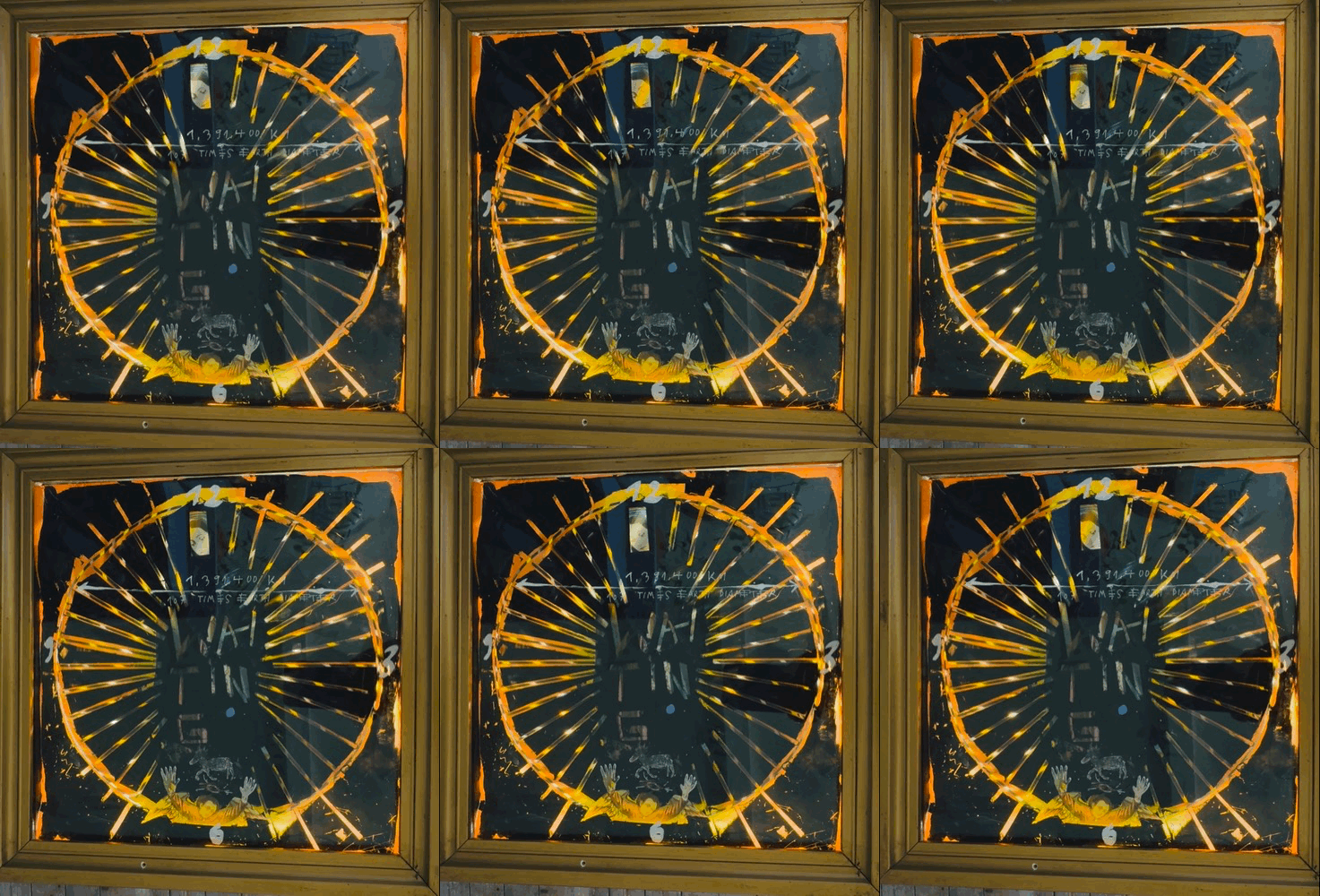
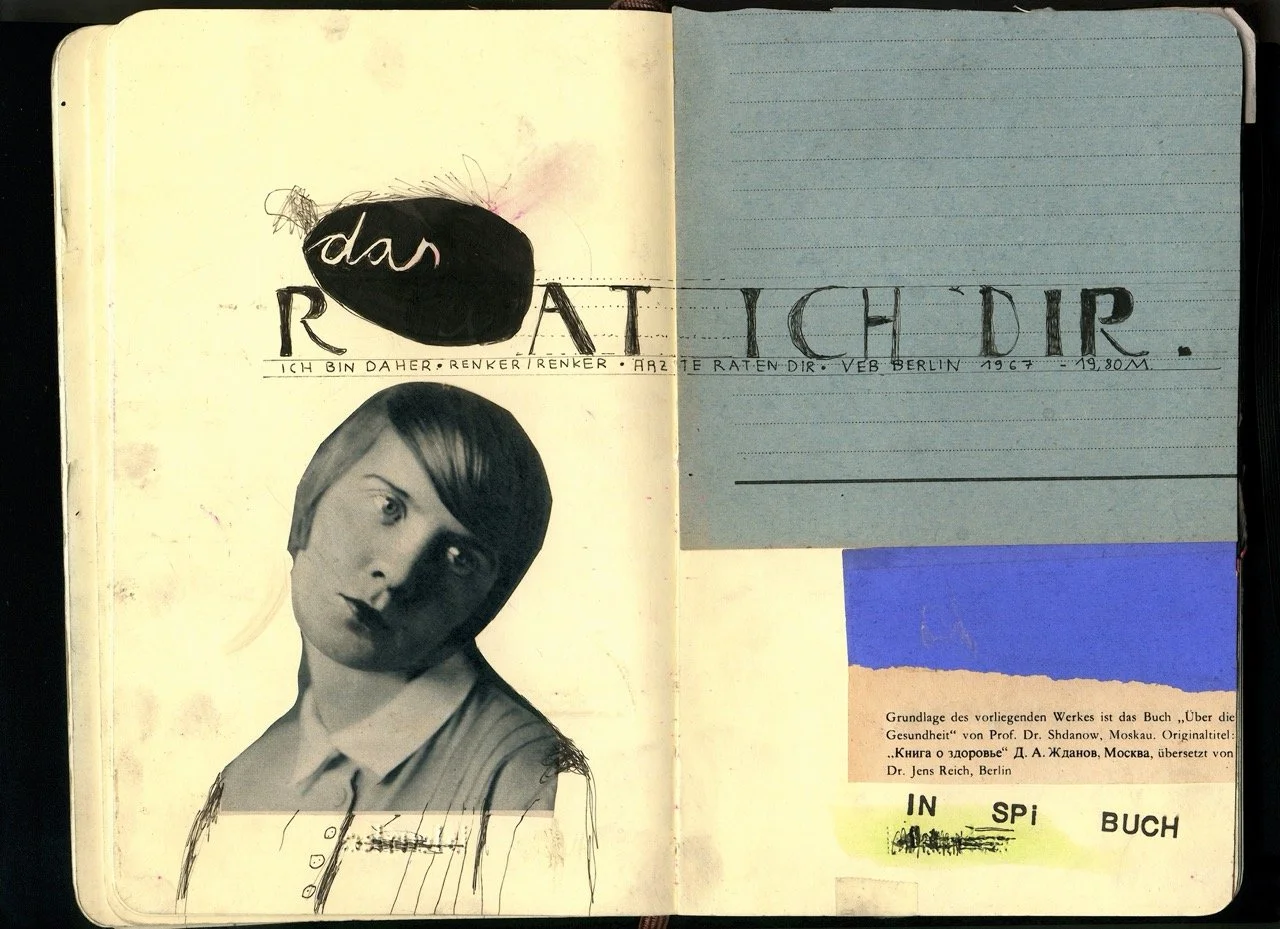
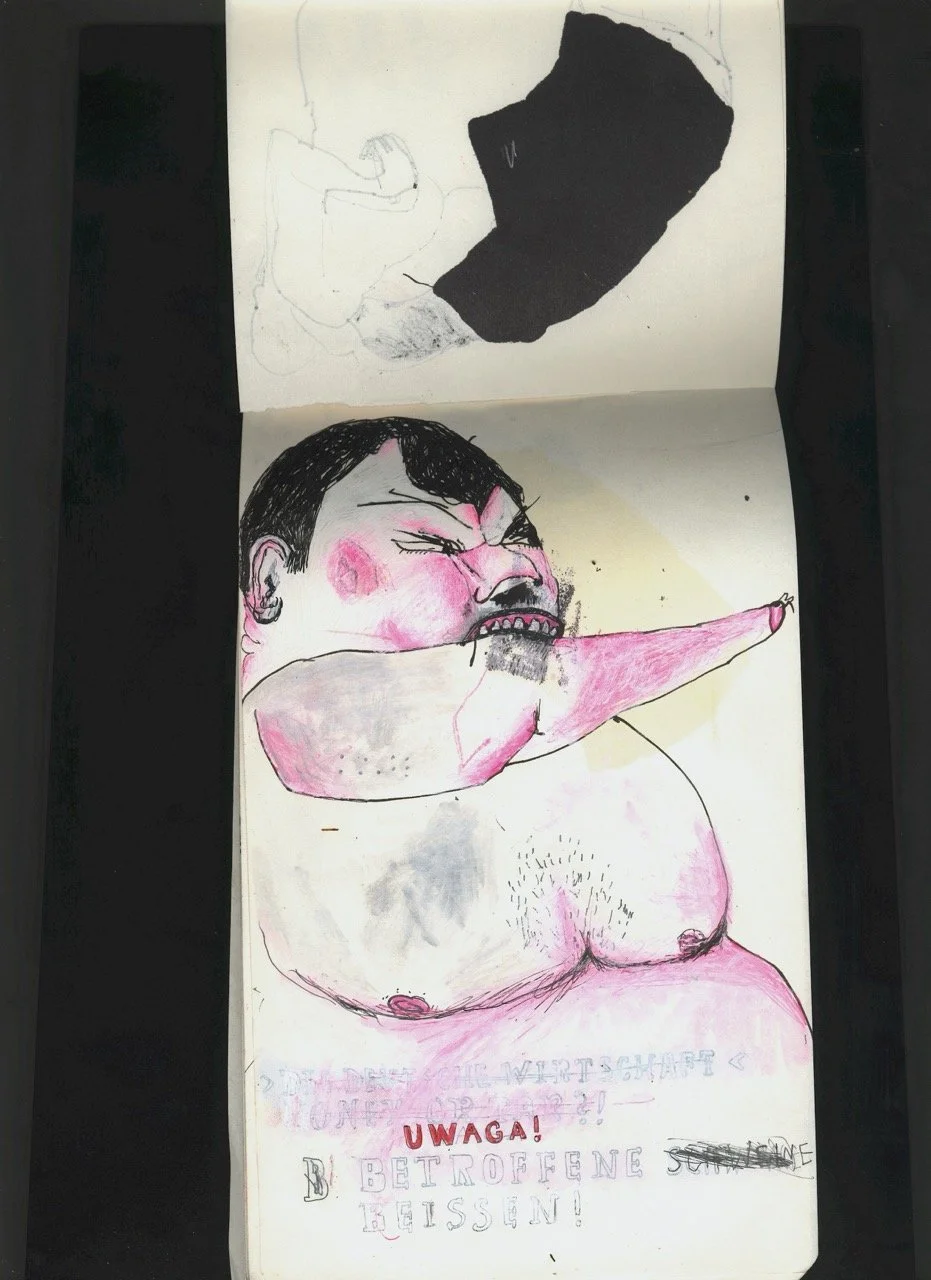
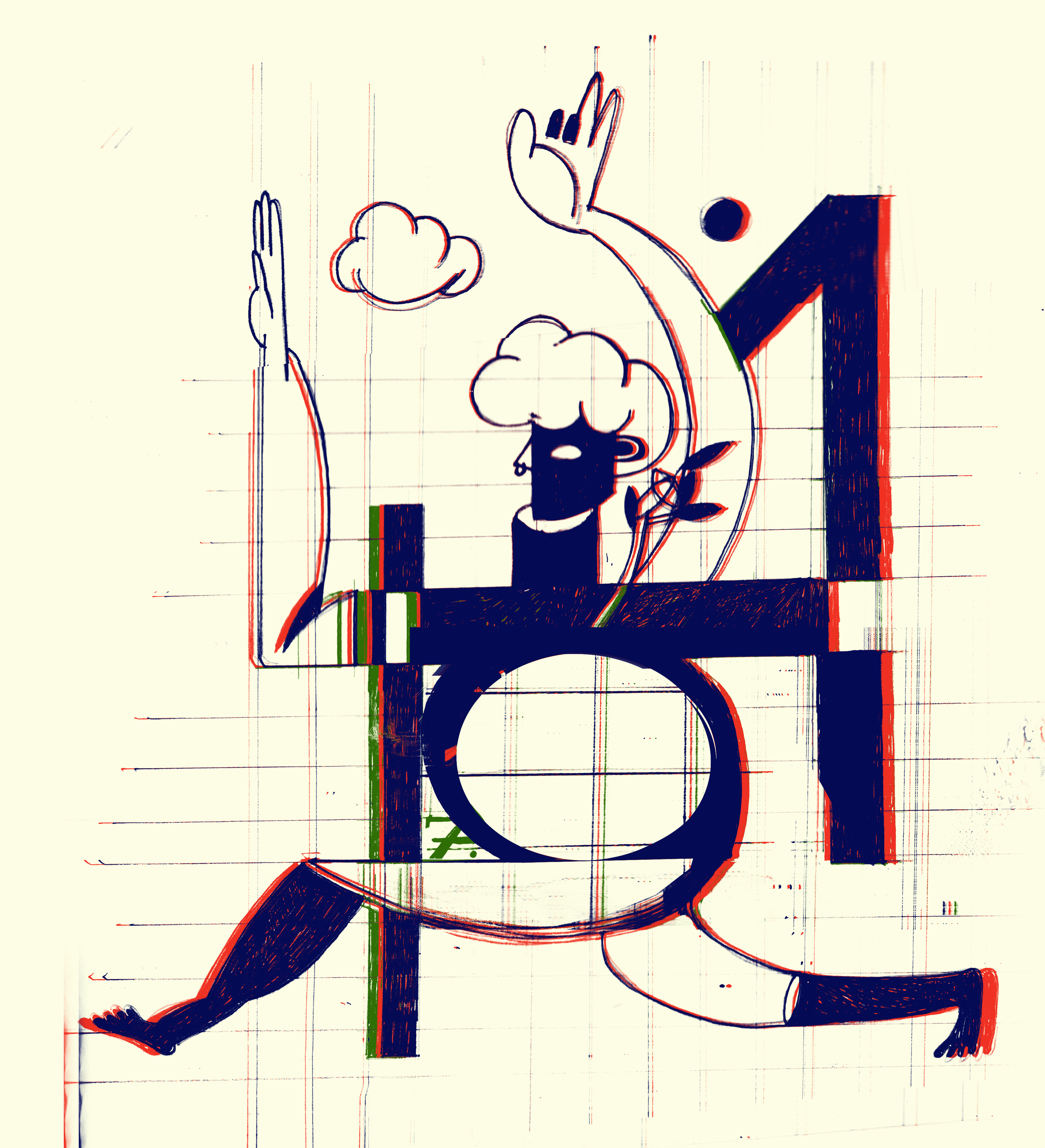
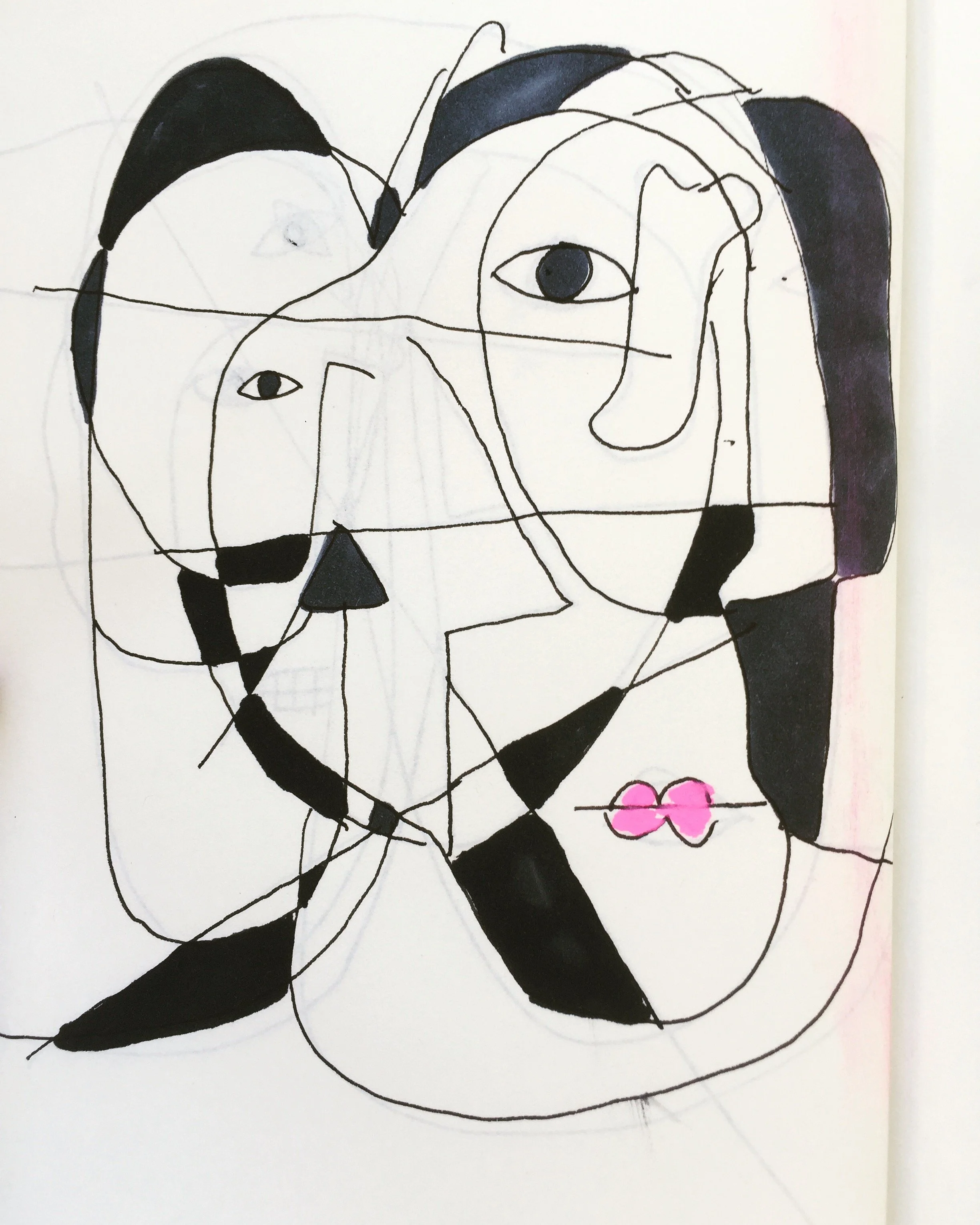
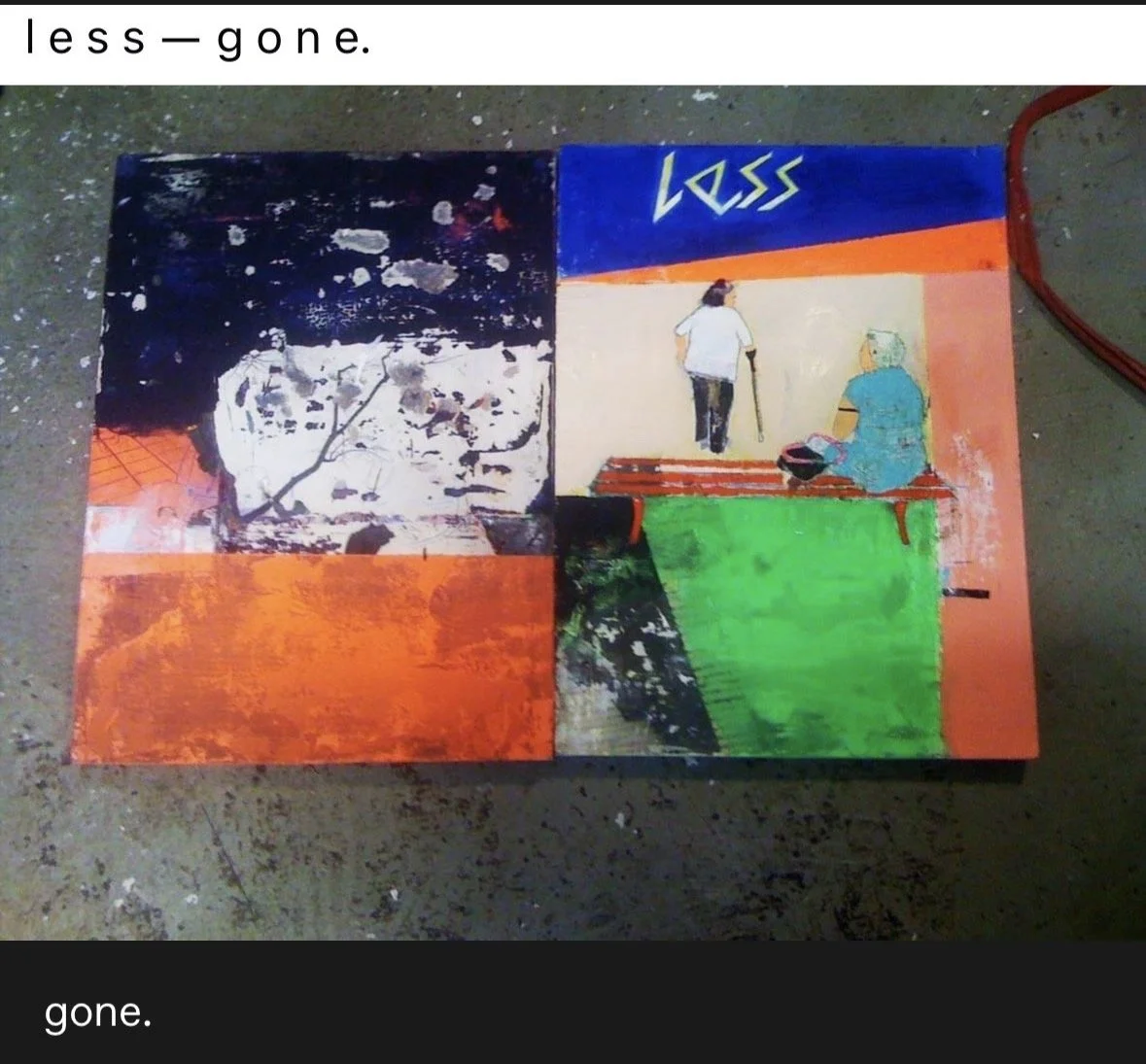
portfolio 2020
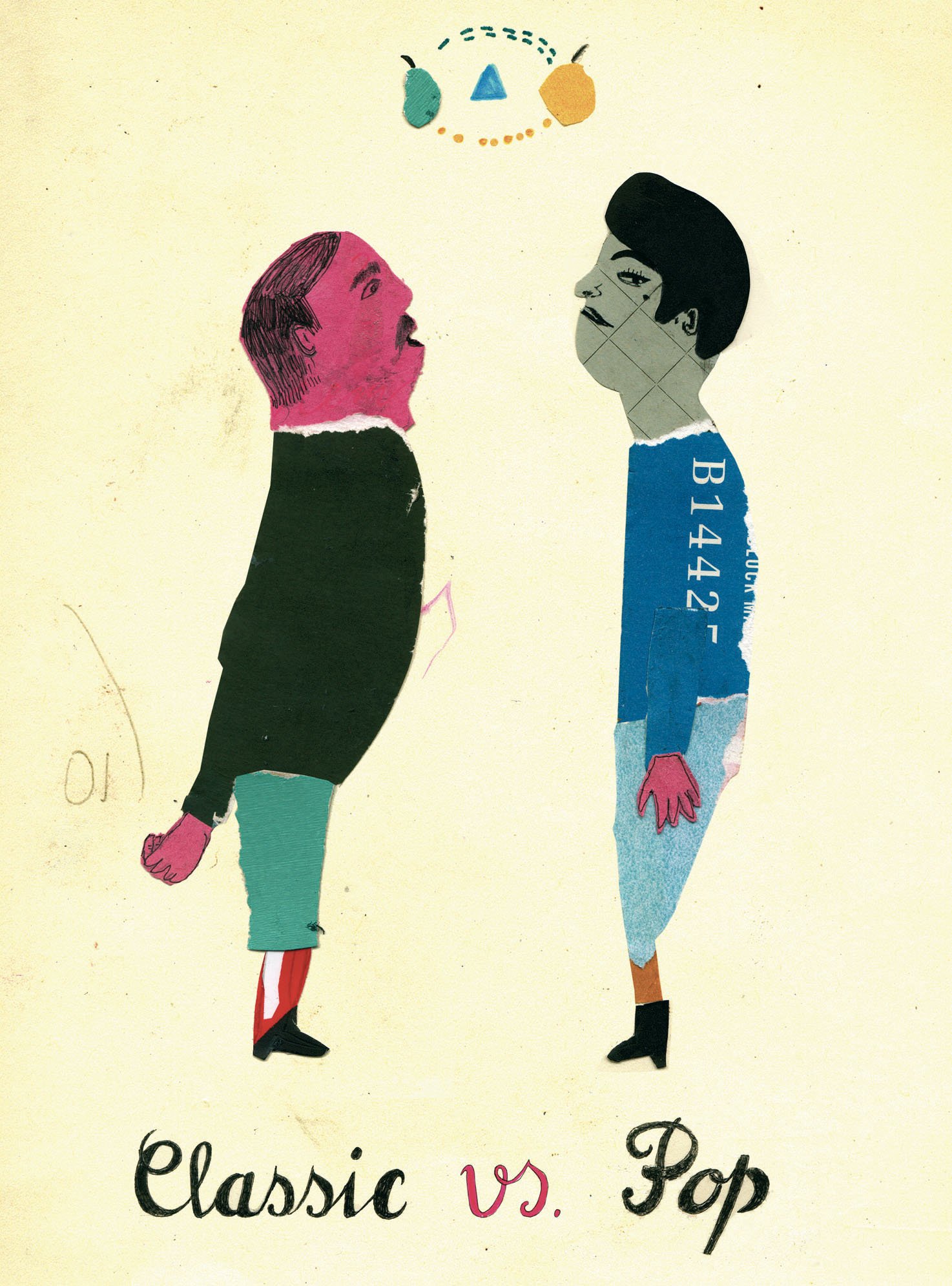
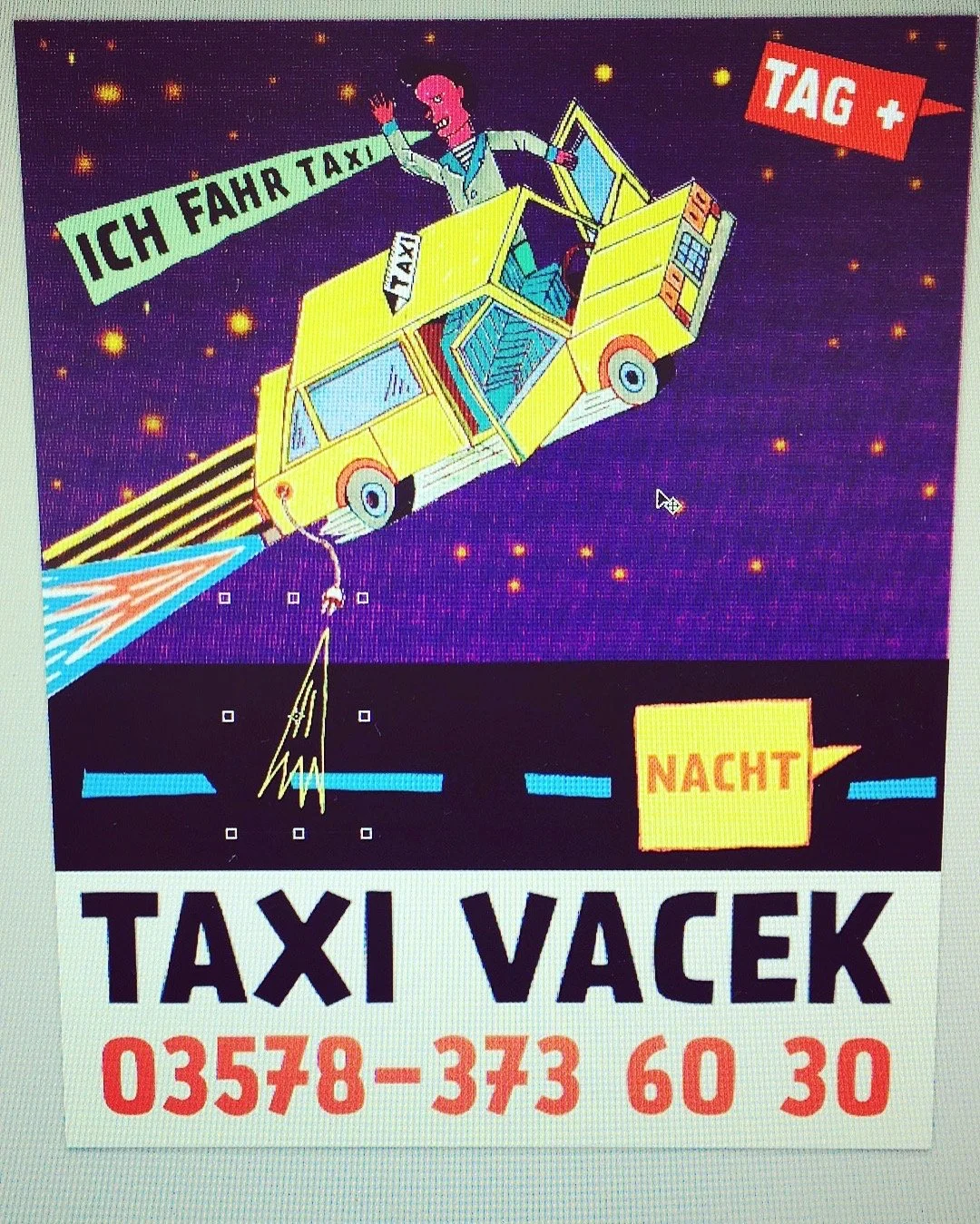
just for fun and busy businezz
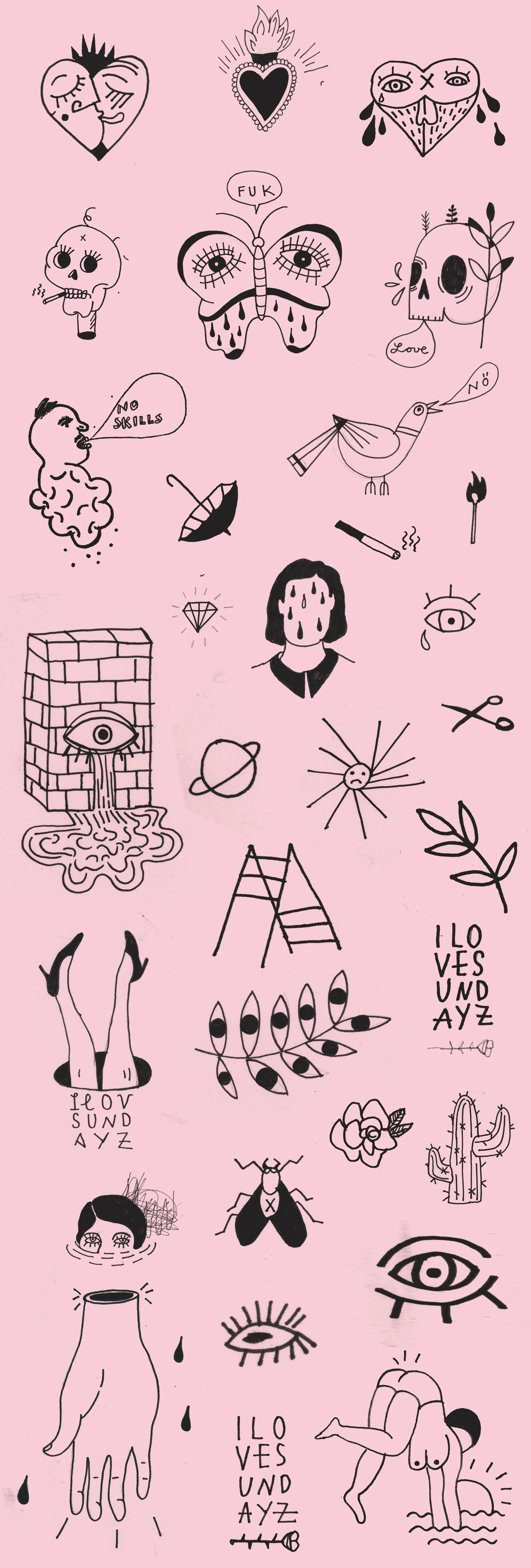
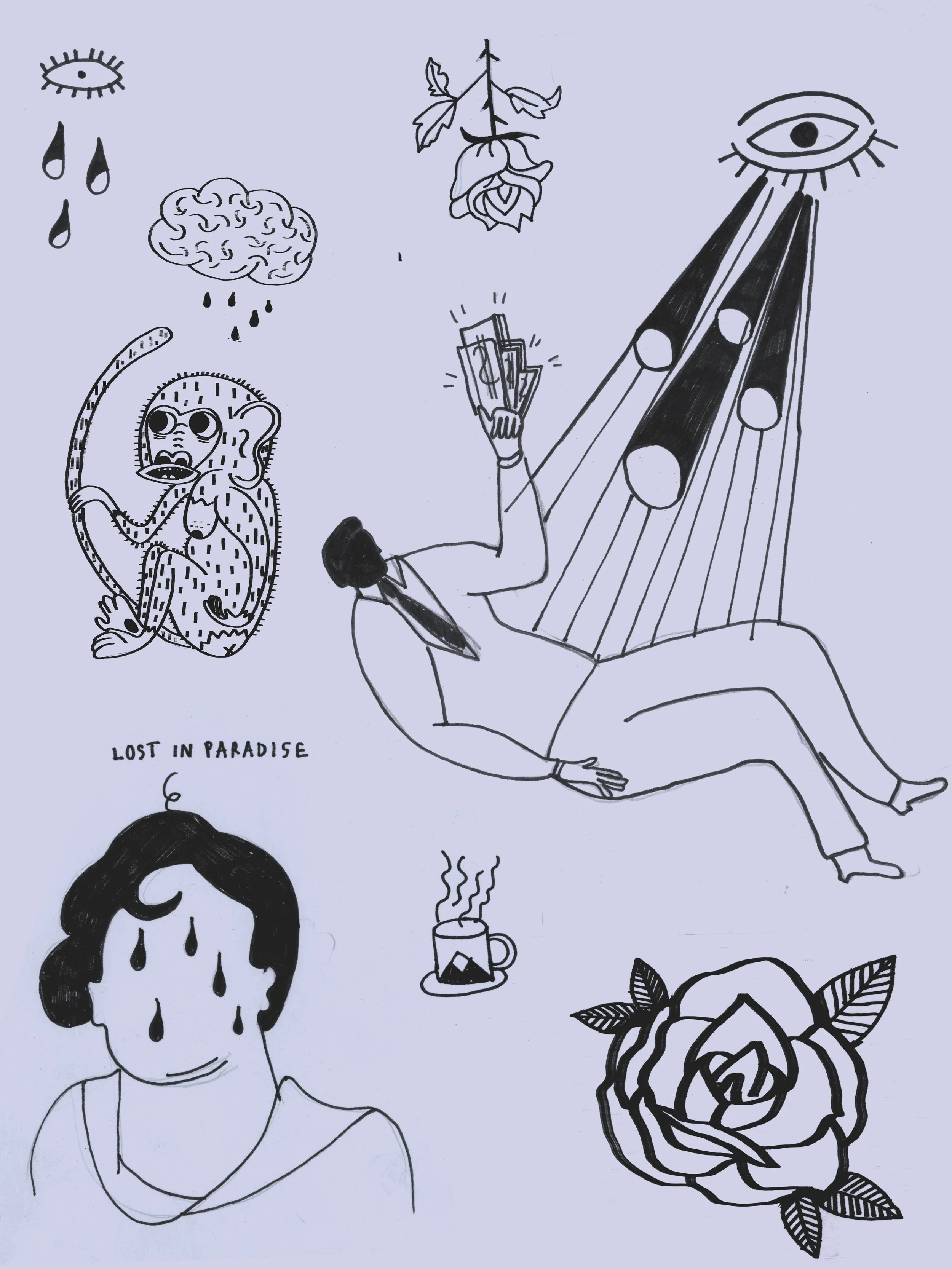
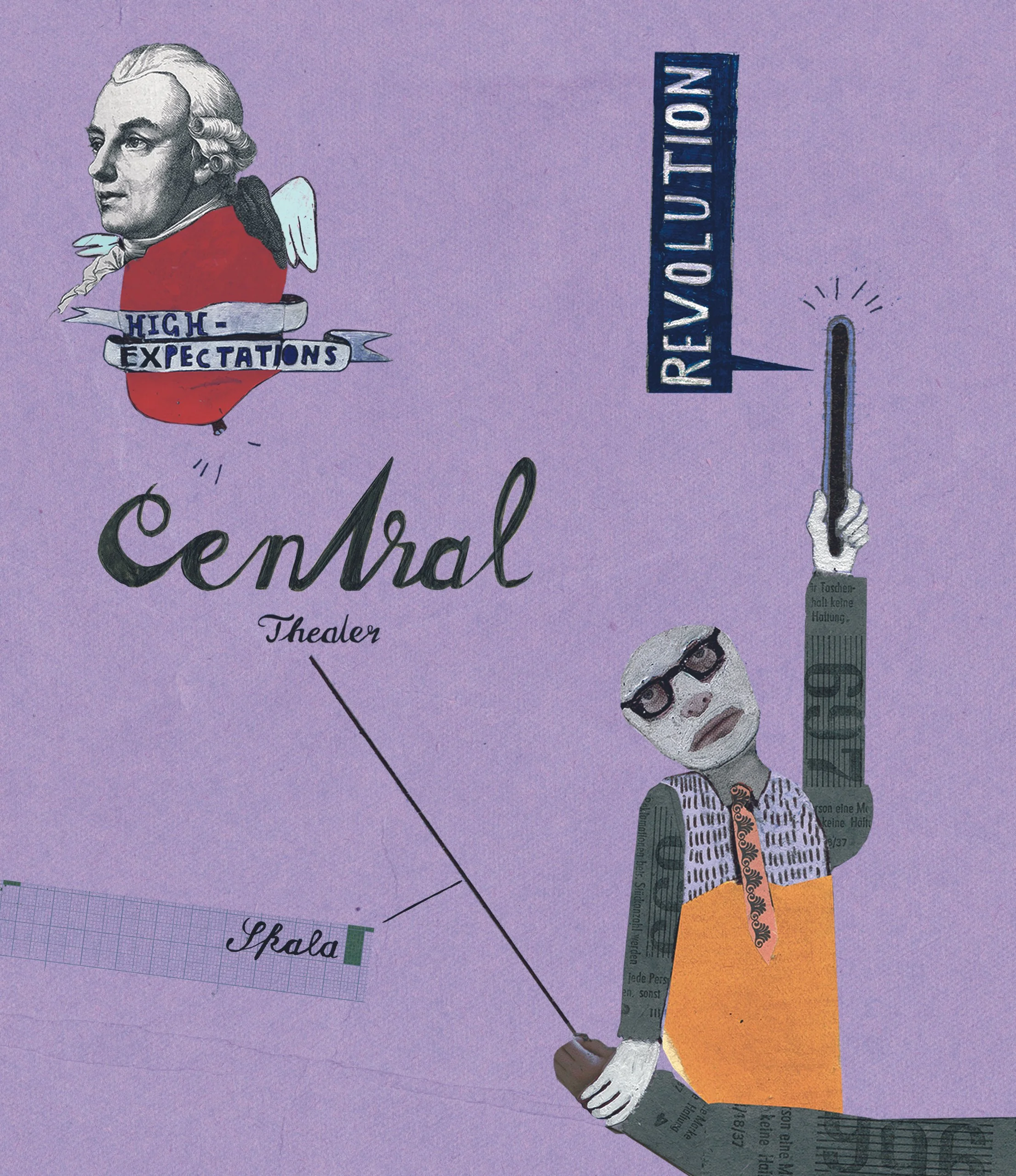
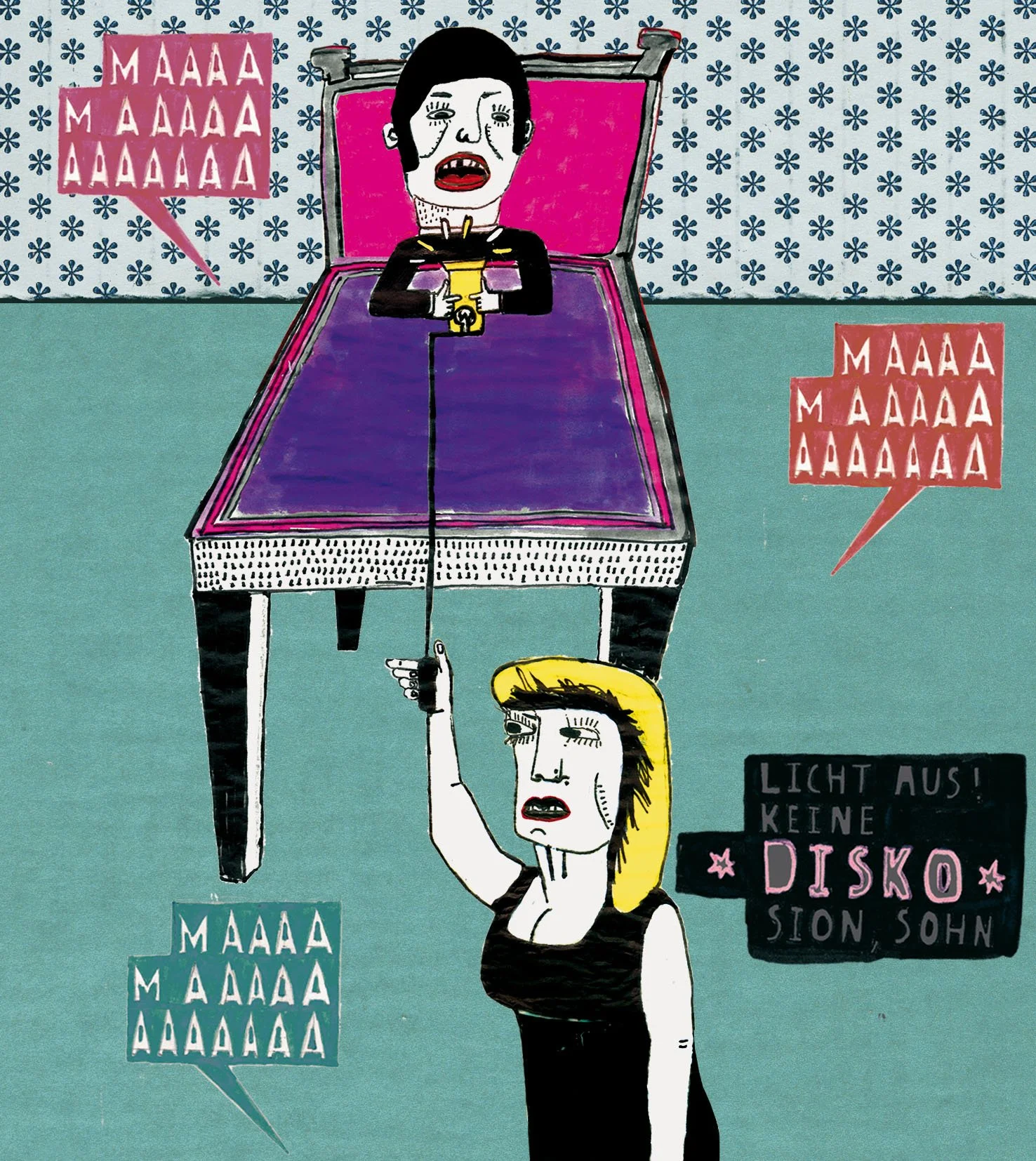
small projects & vita
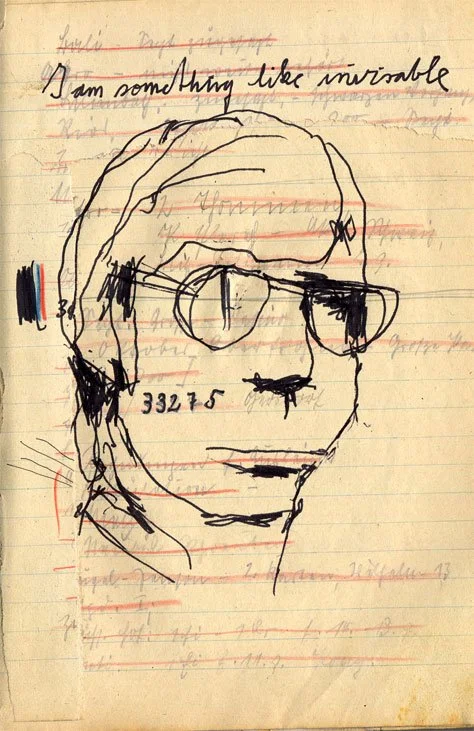
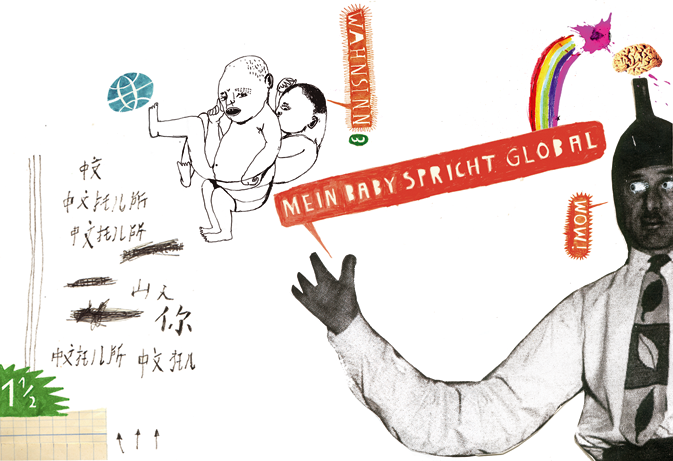
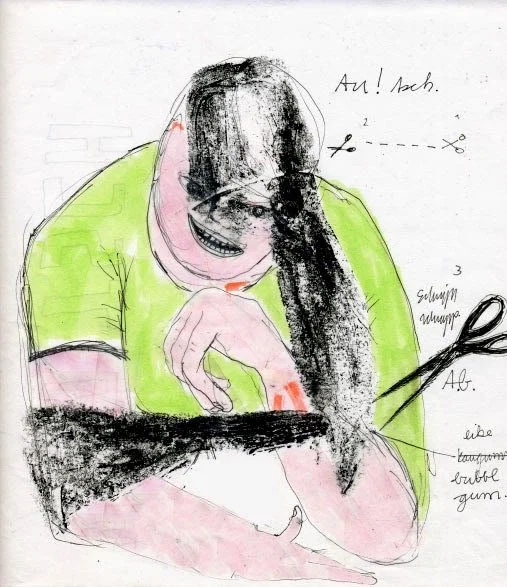
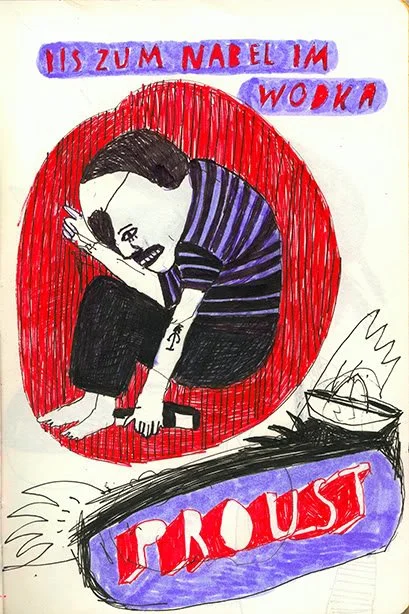
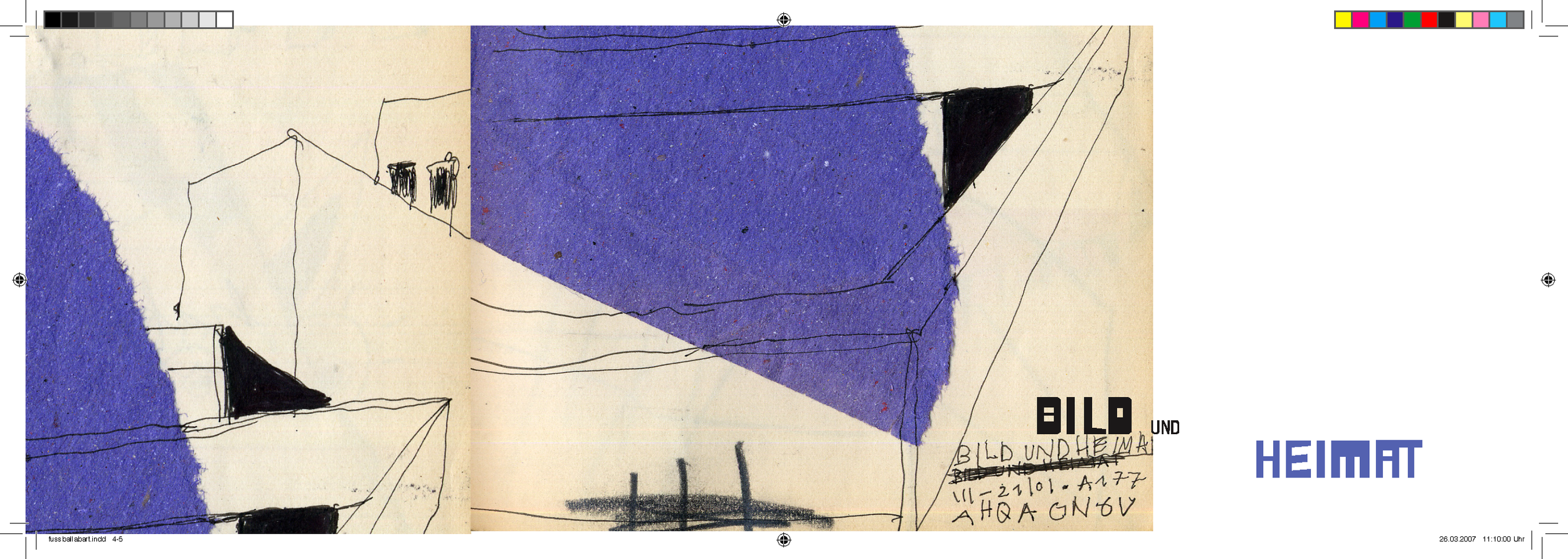
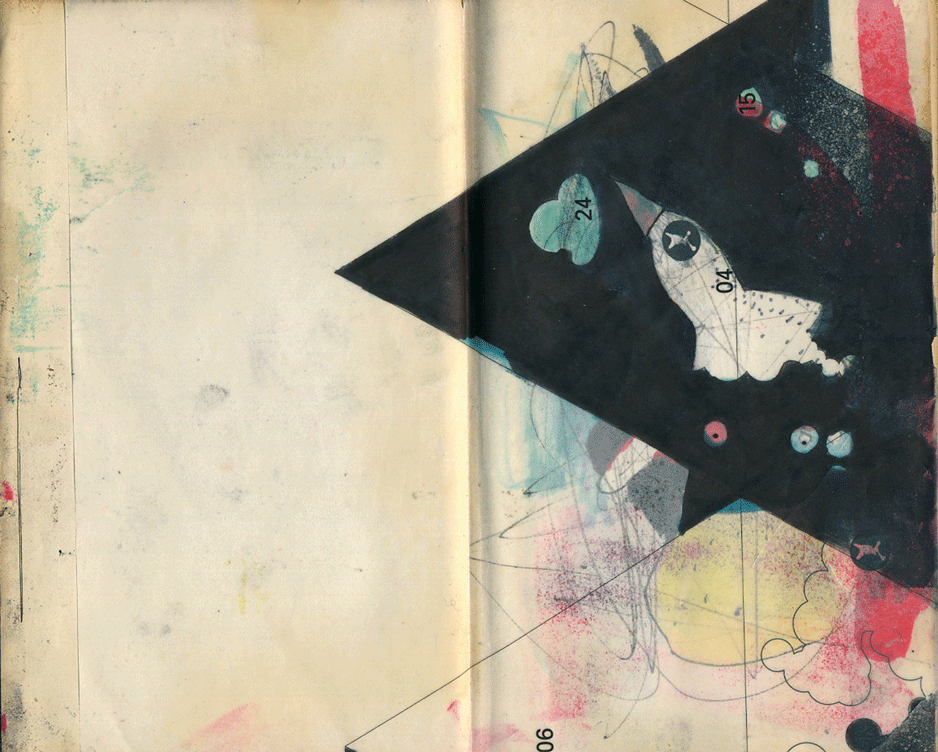
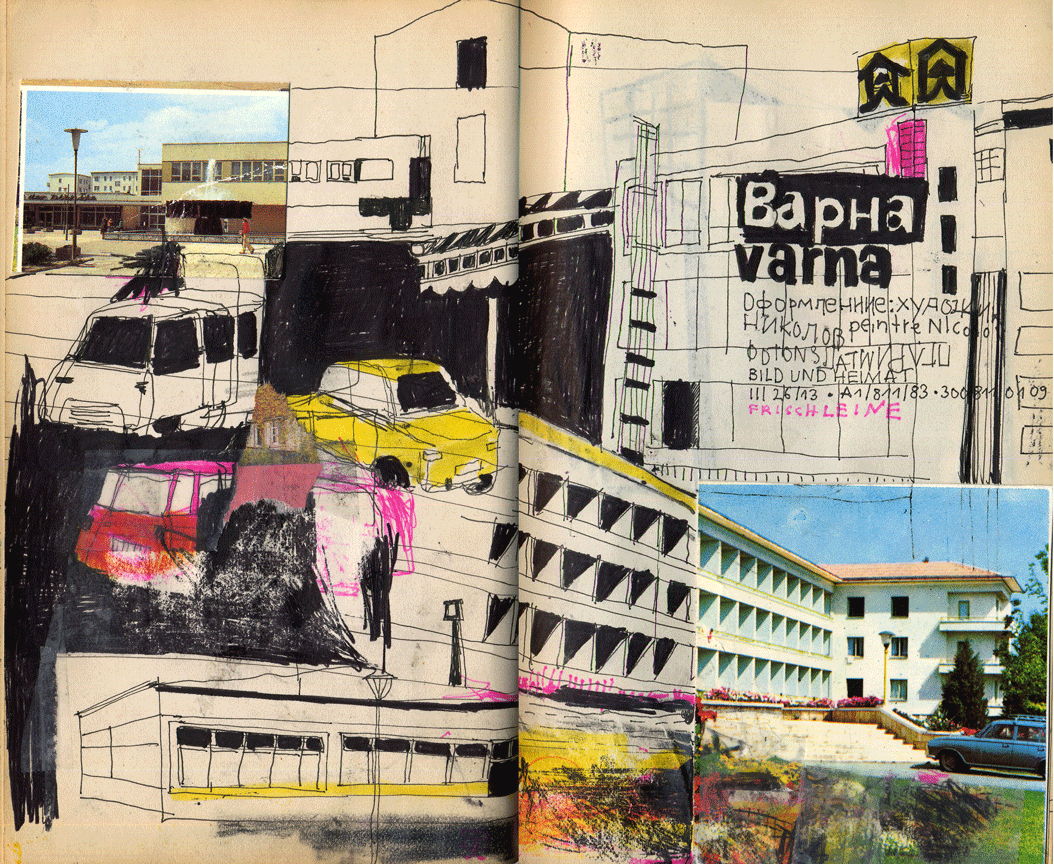
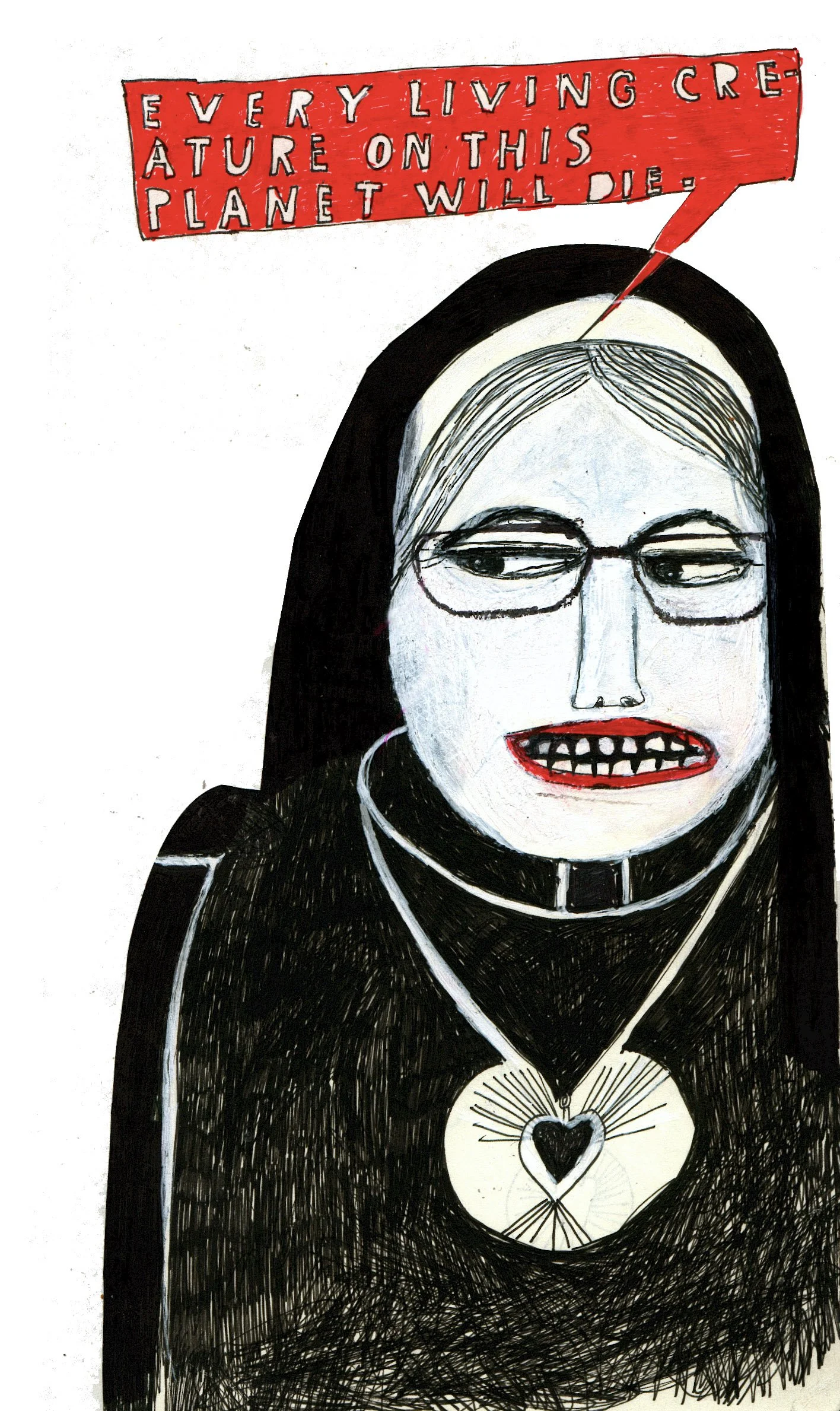
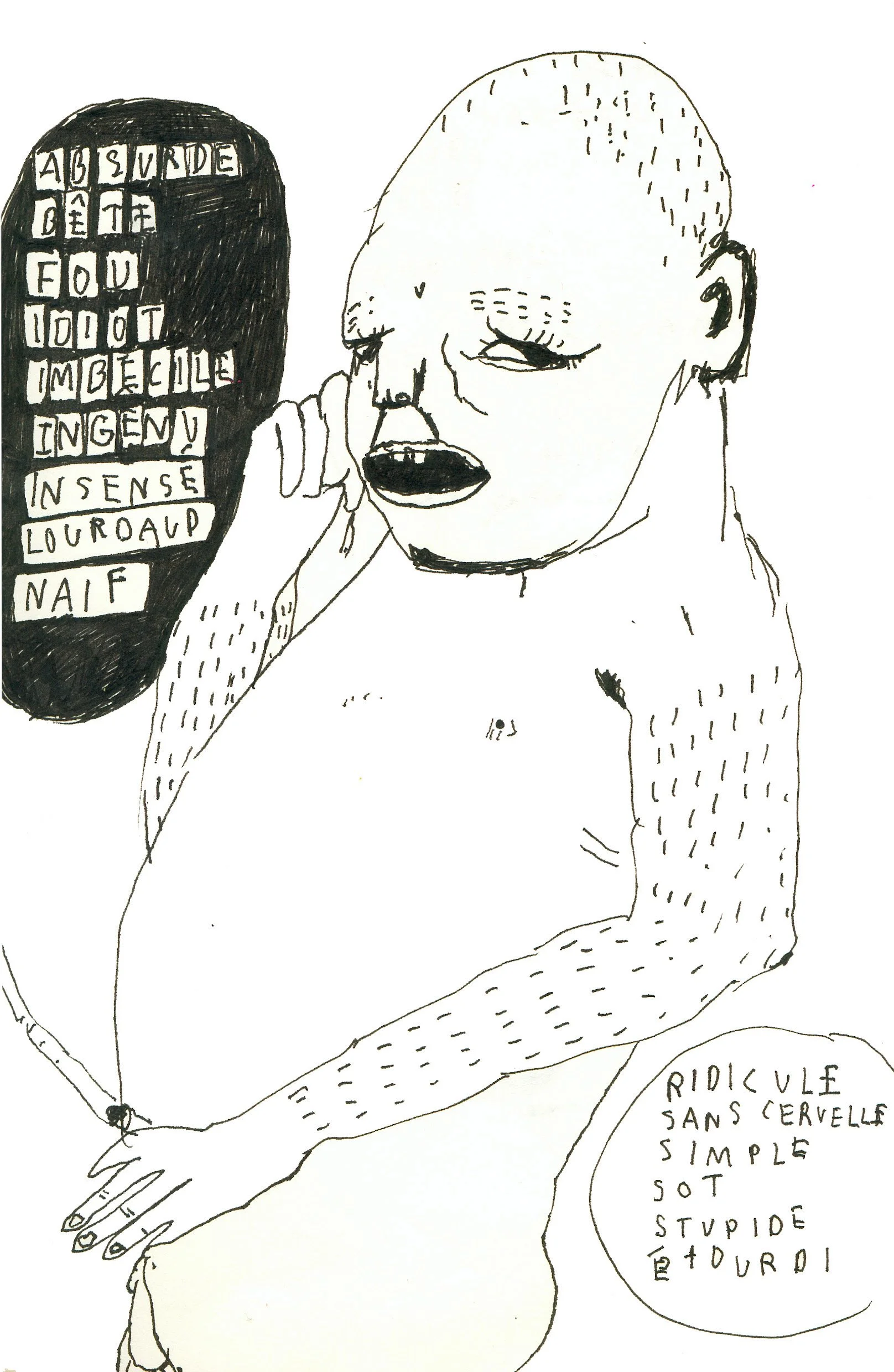
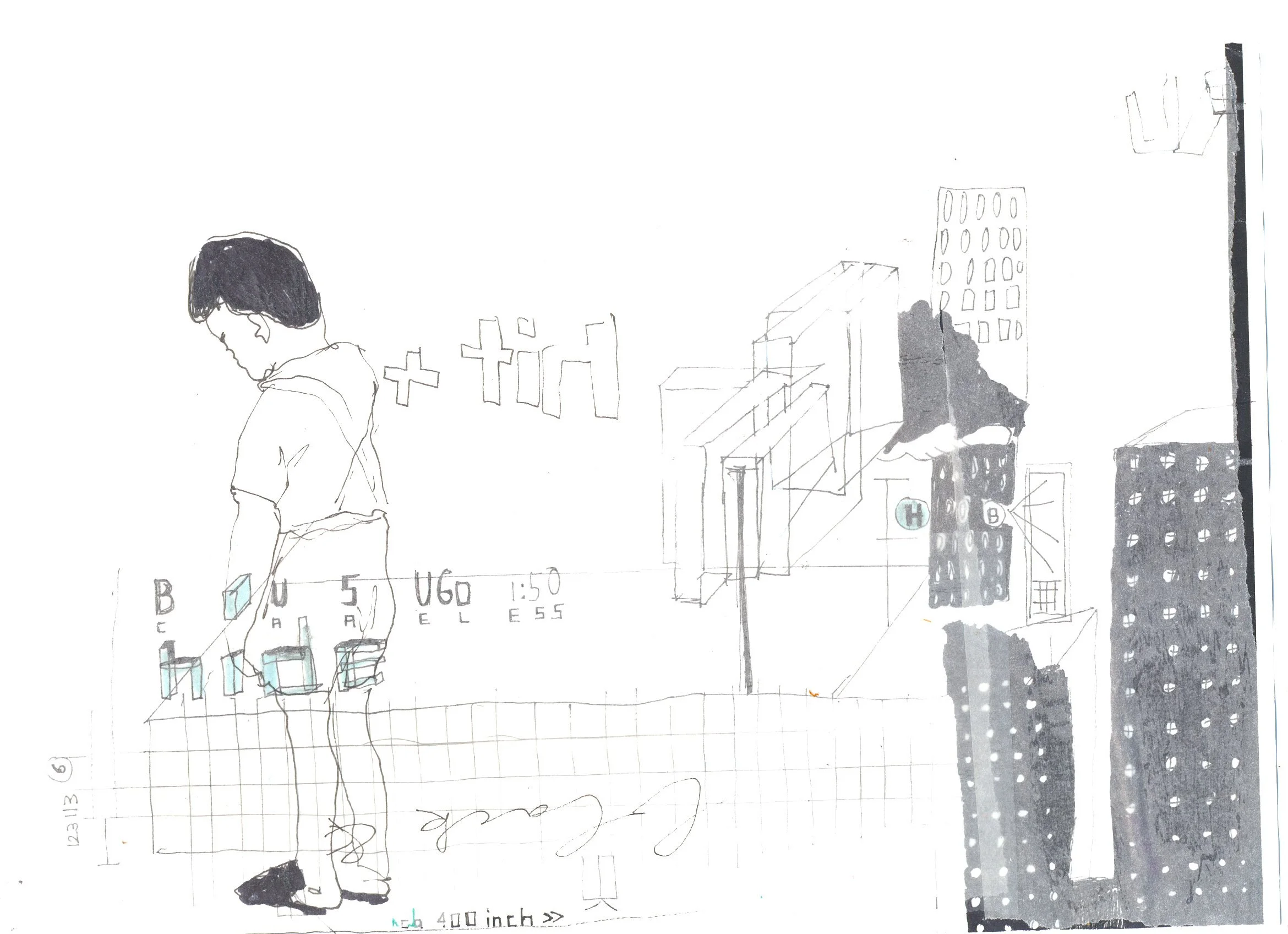
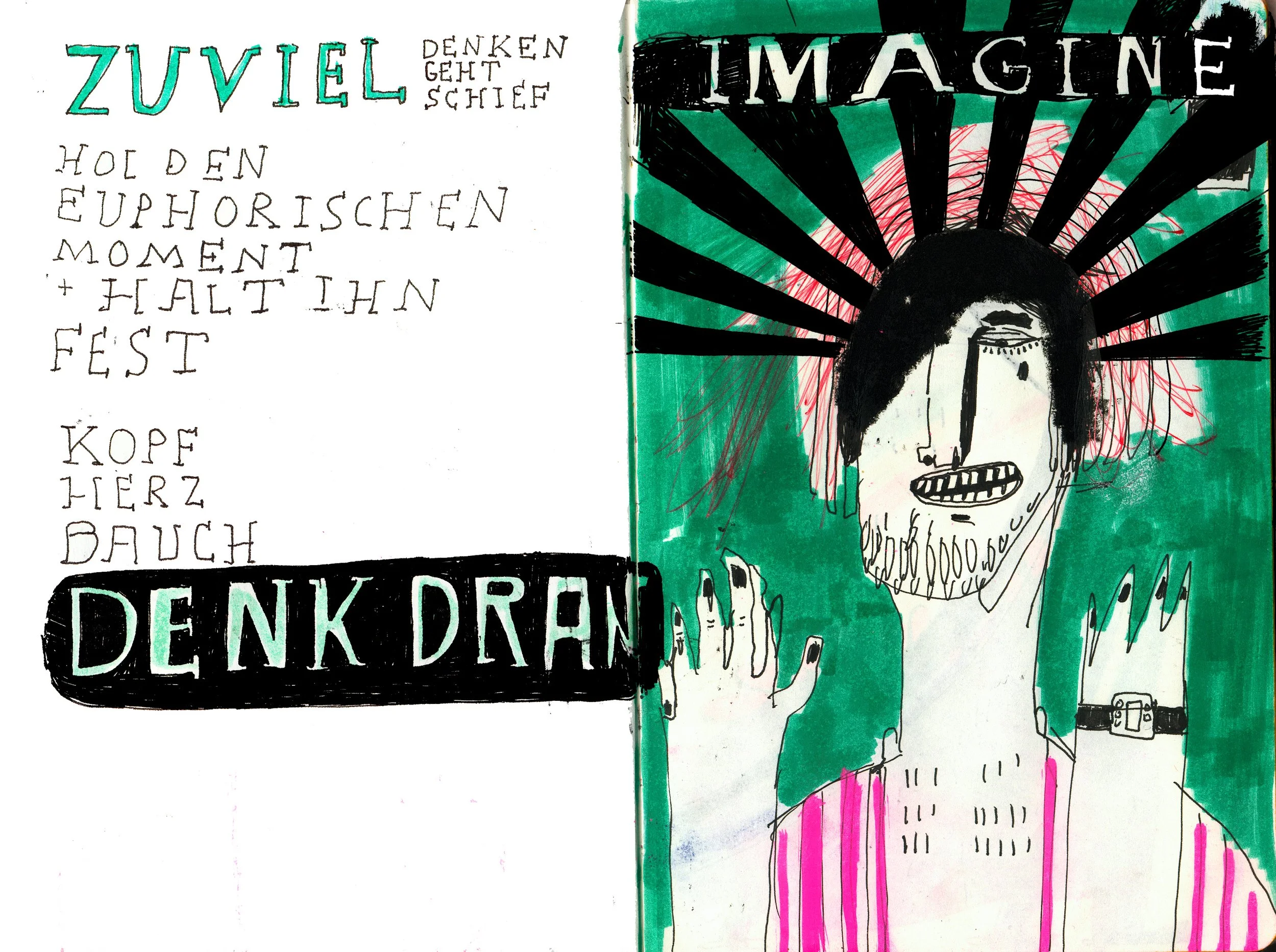
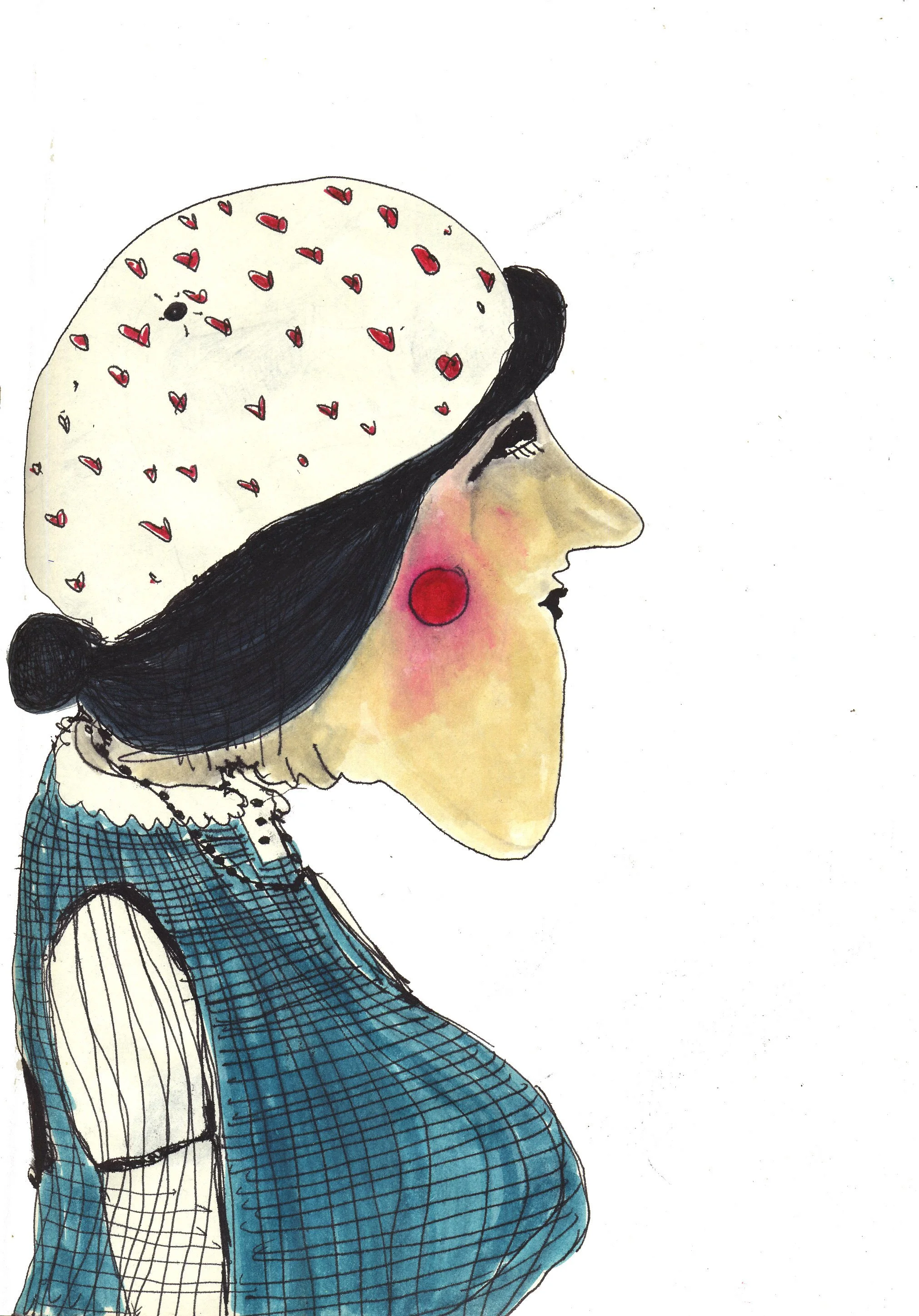
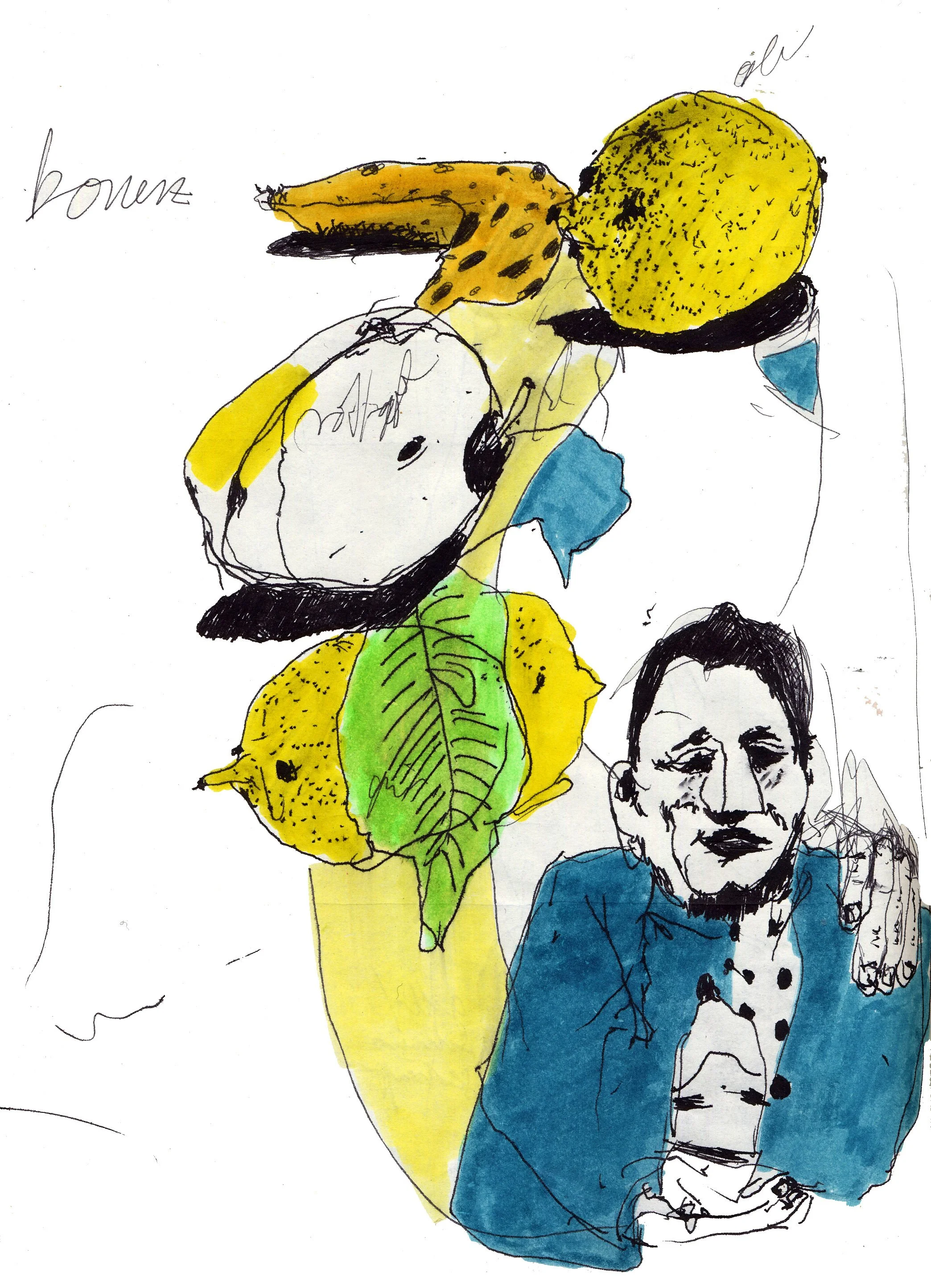
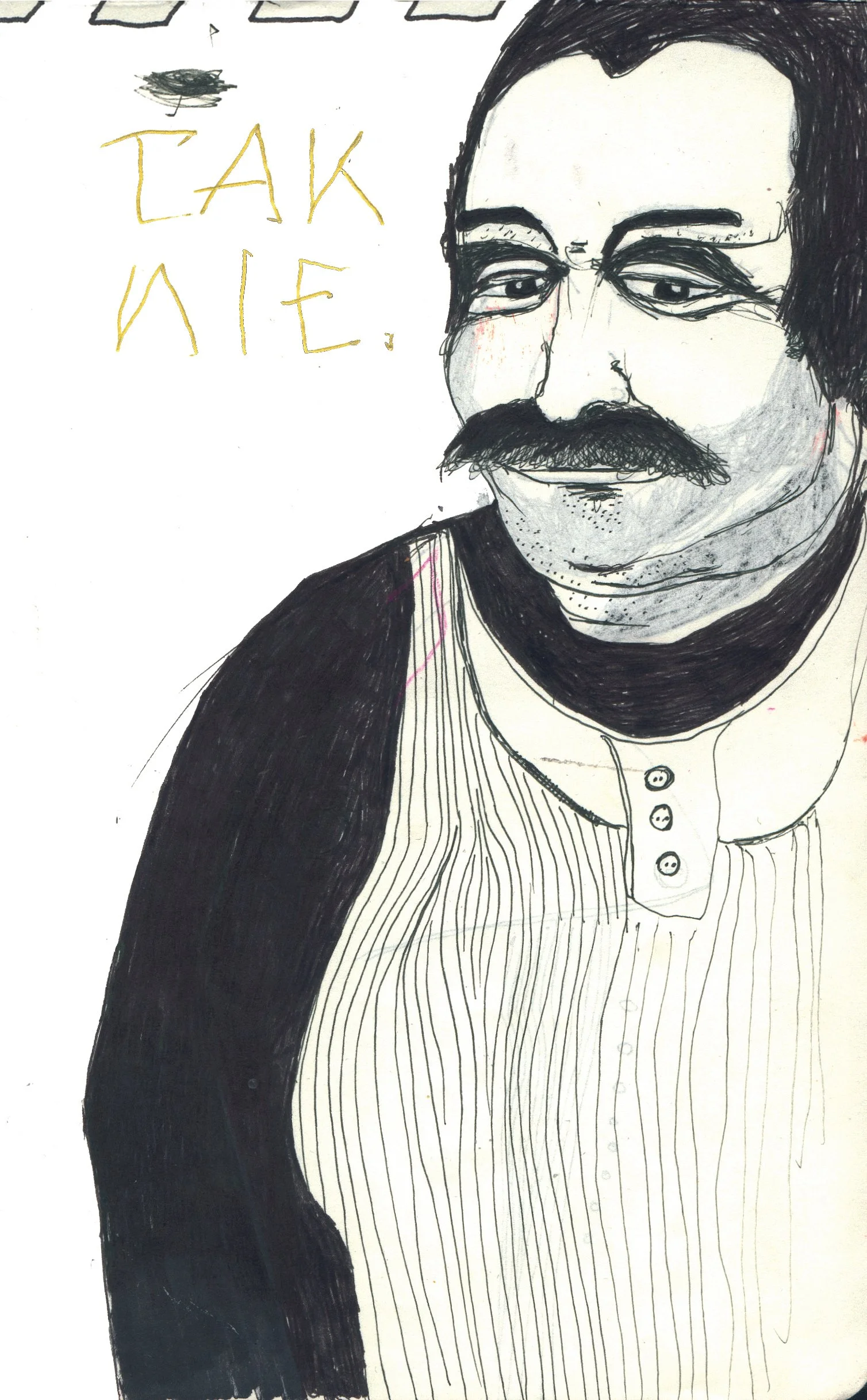
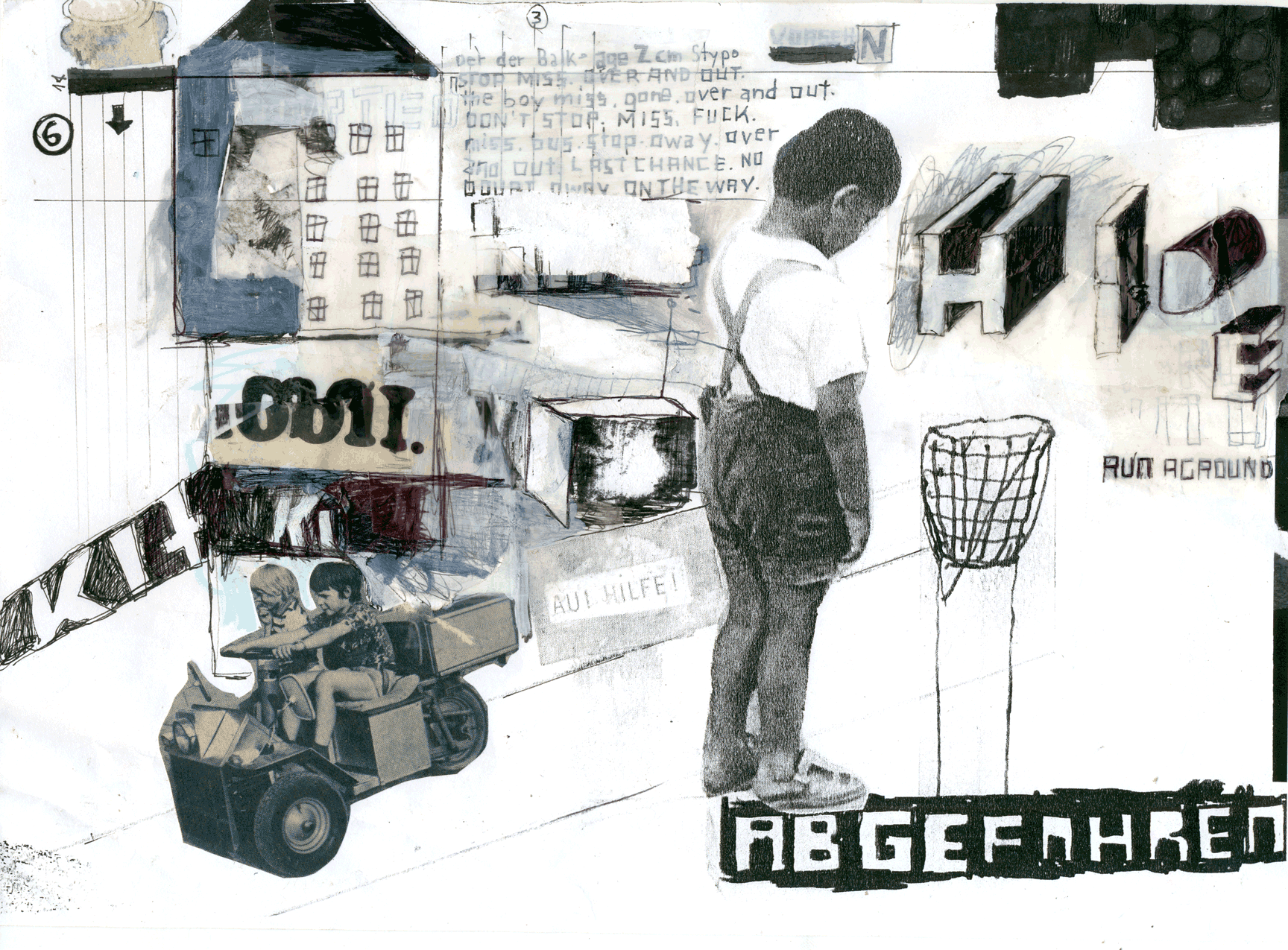
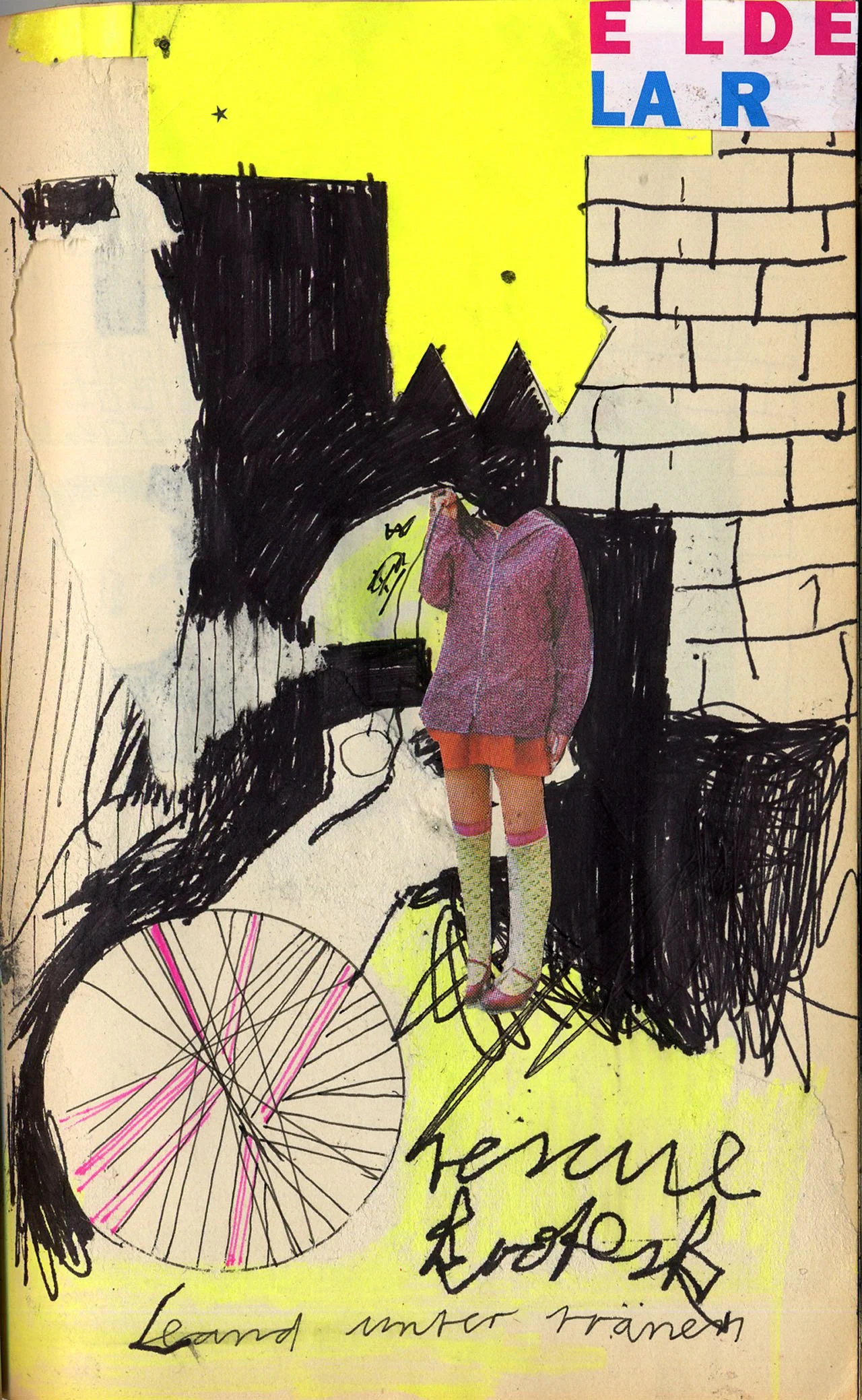
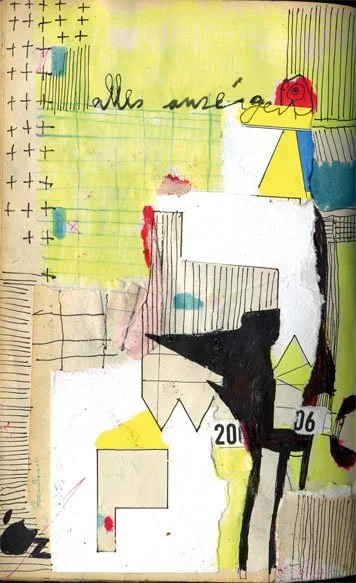
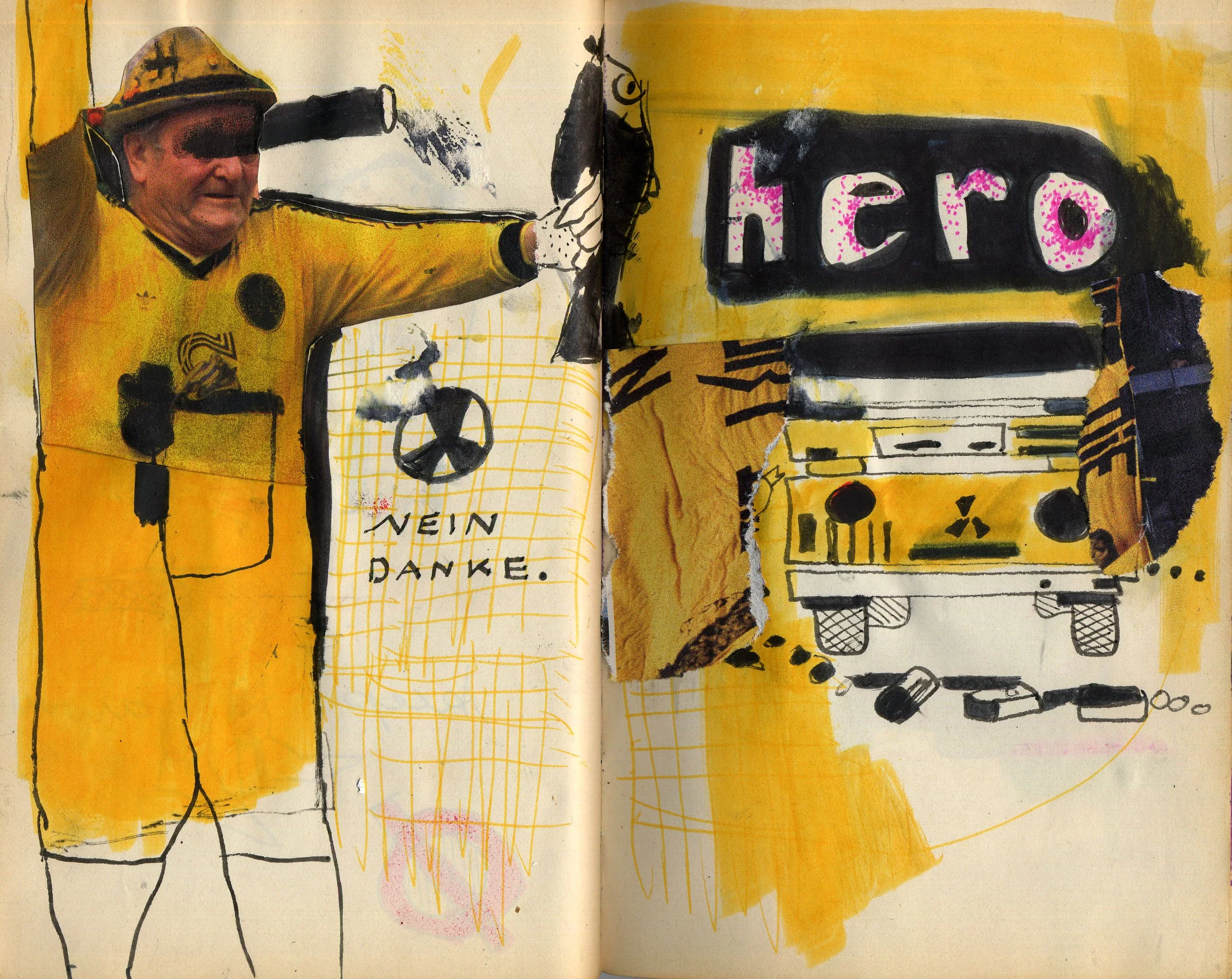
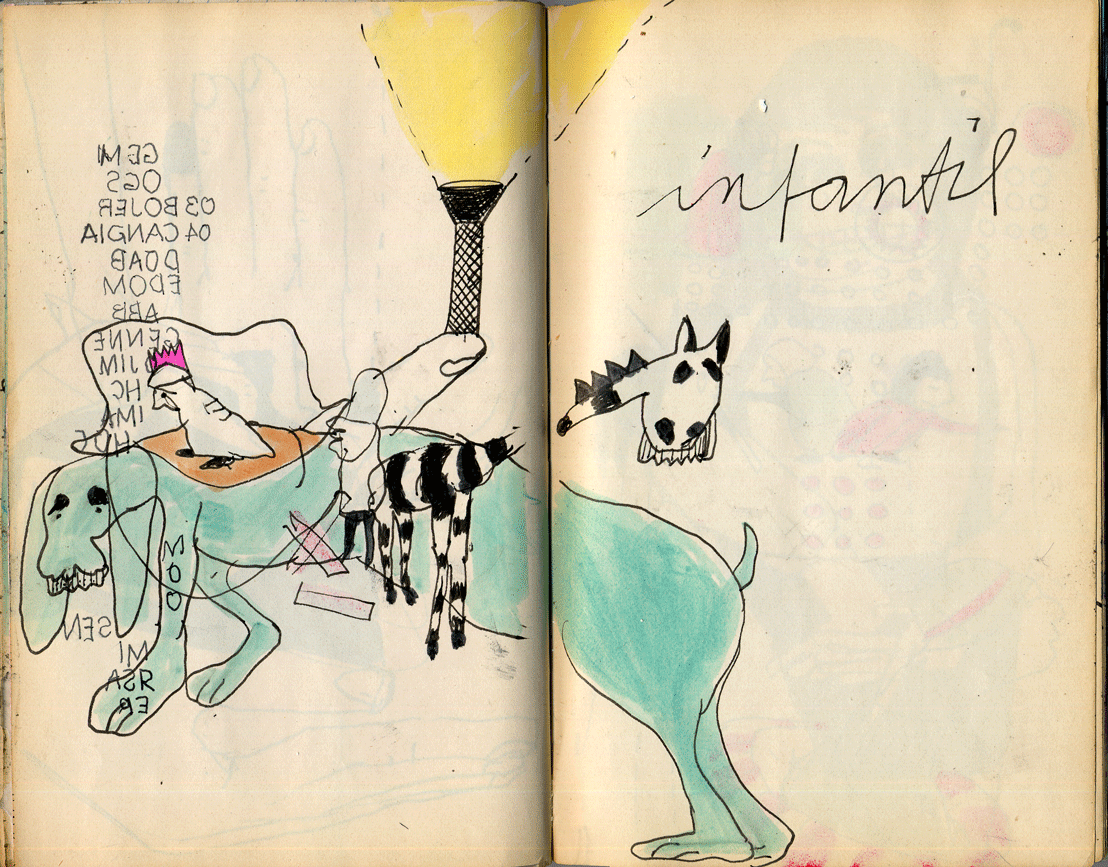
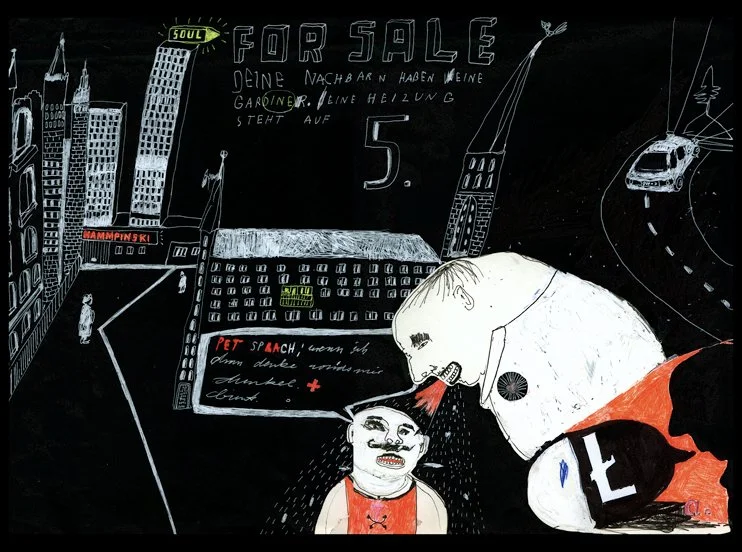
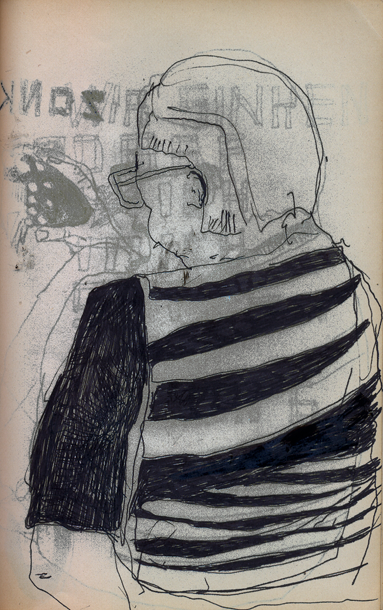
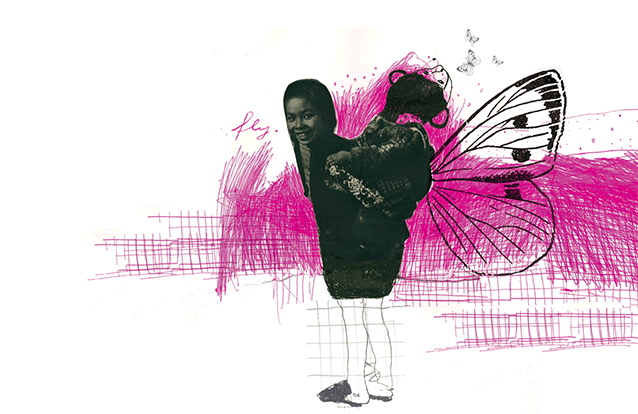
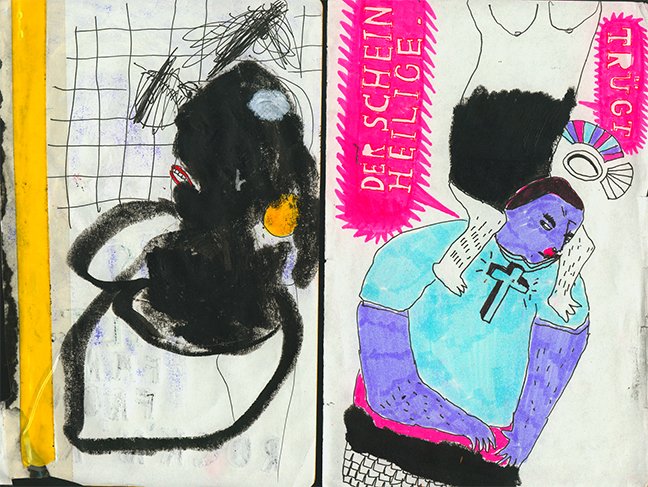
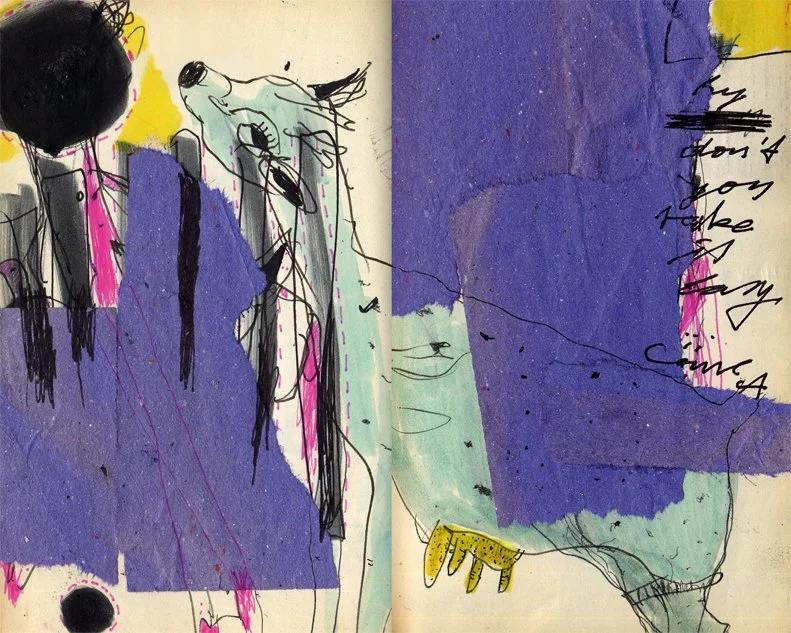
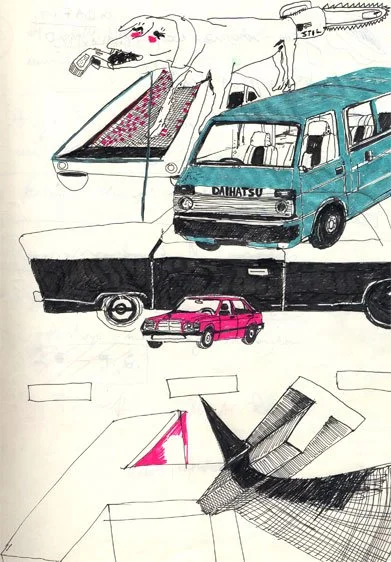
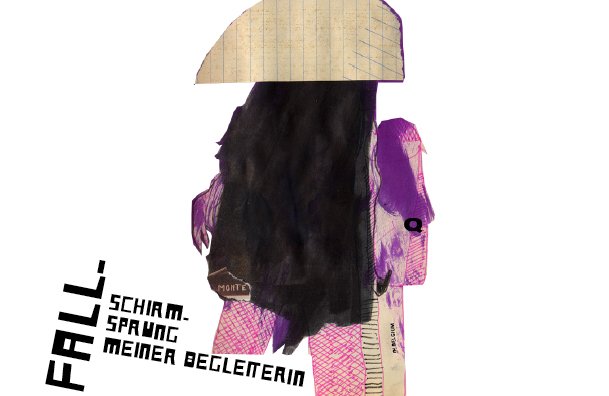
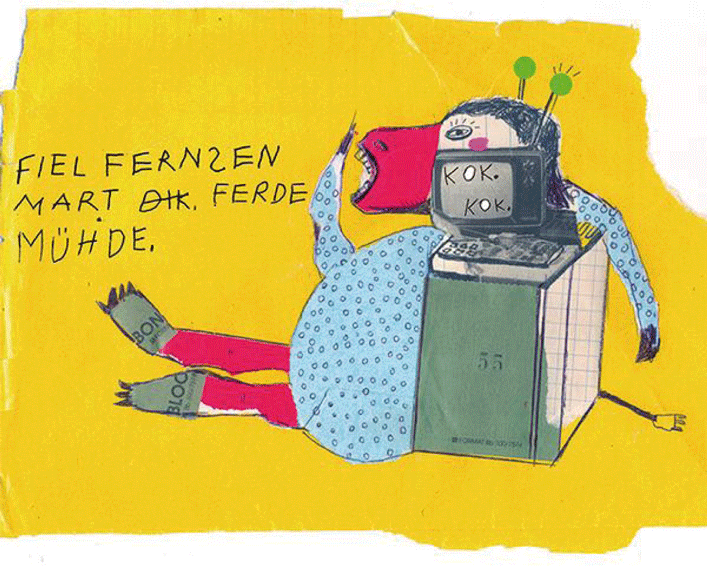
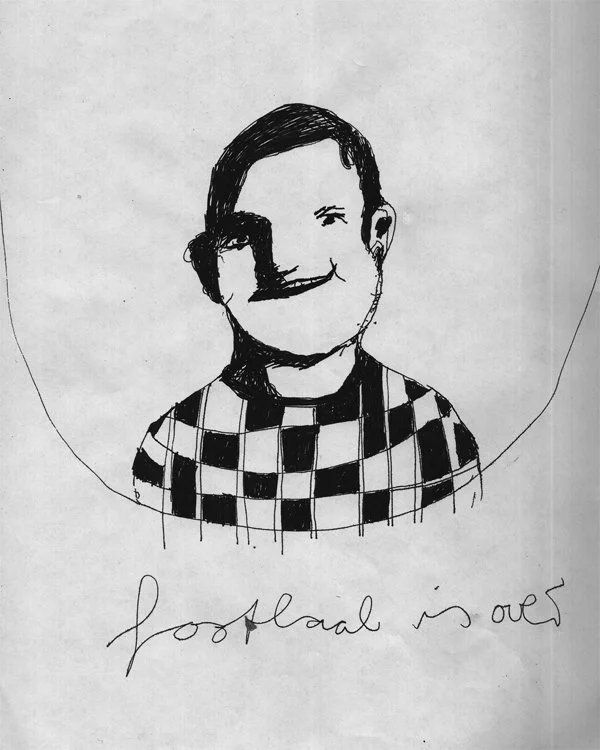
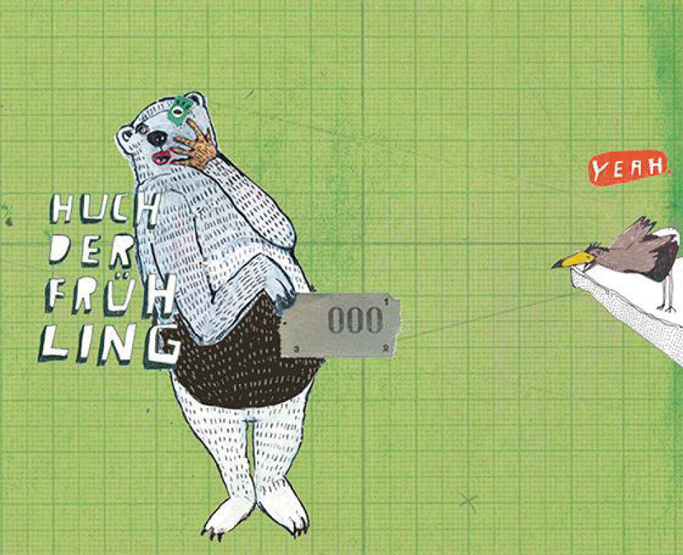
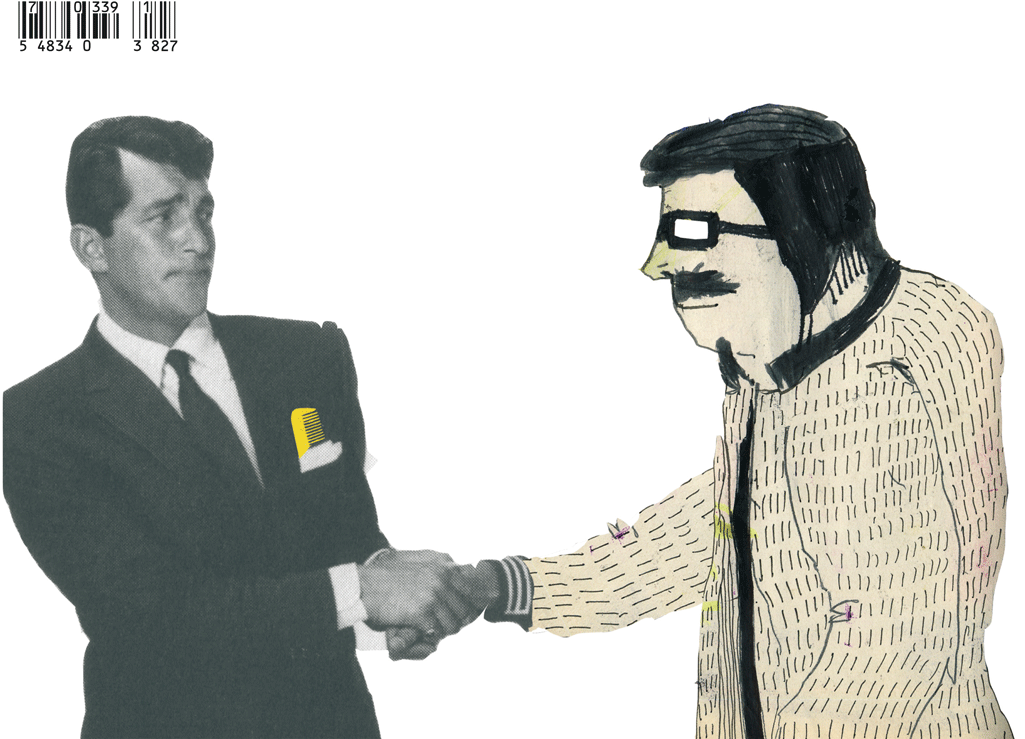
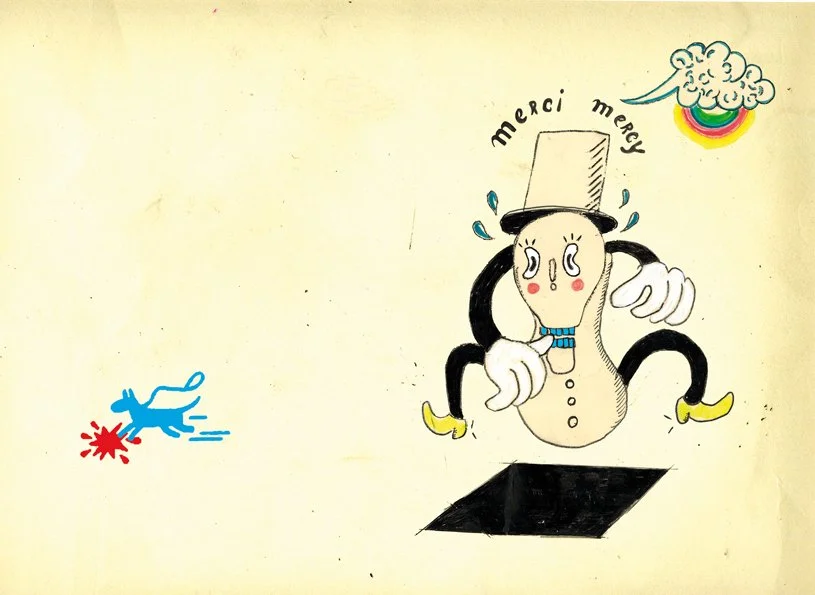
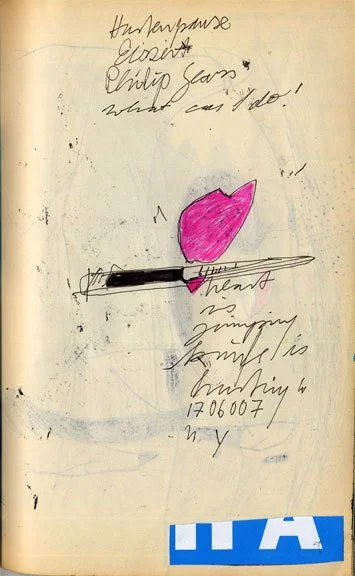
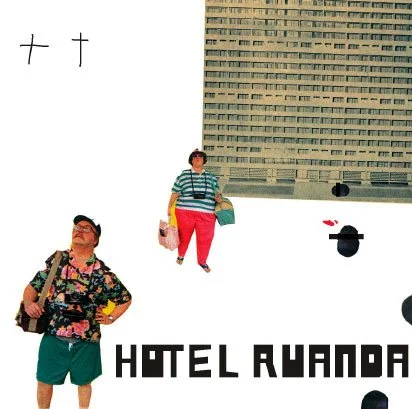
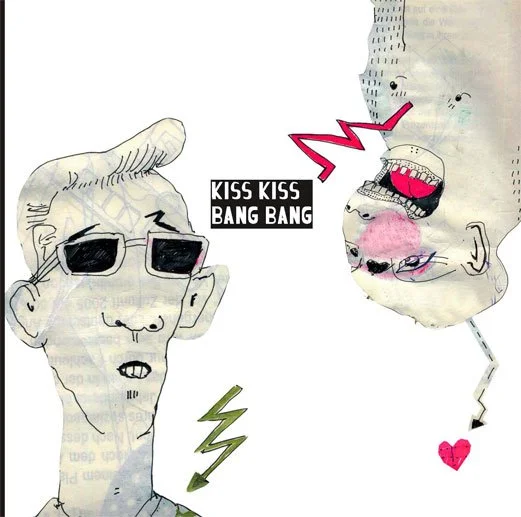
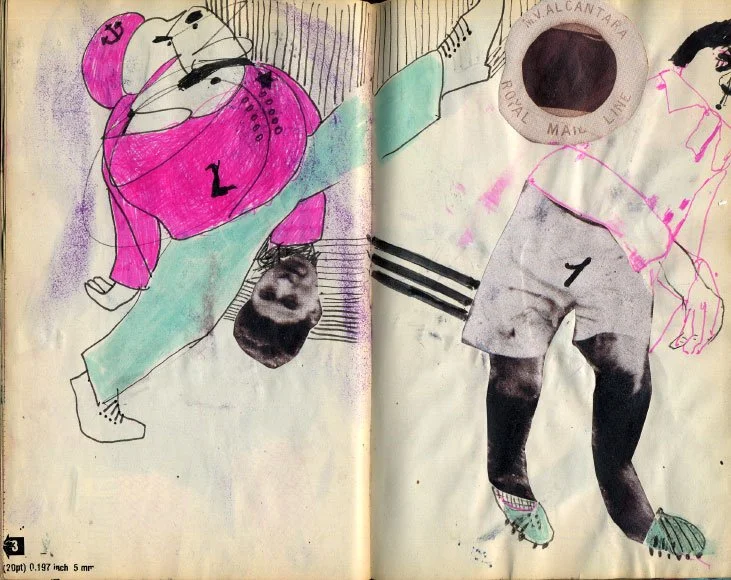
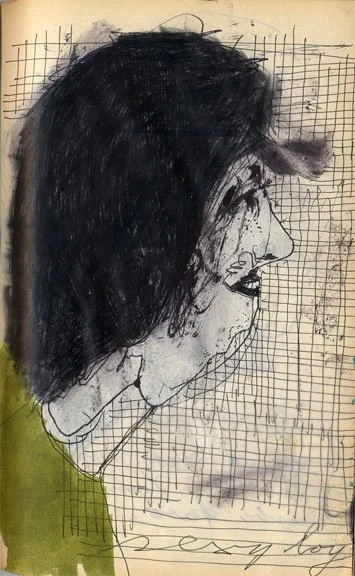
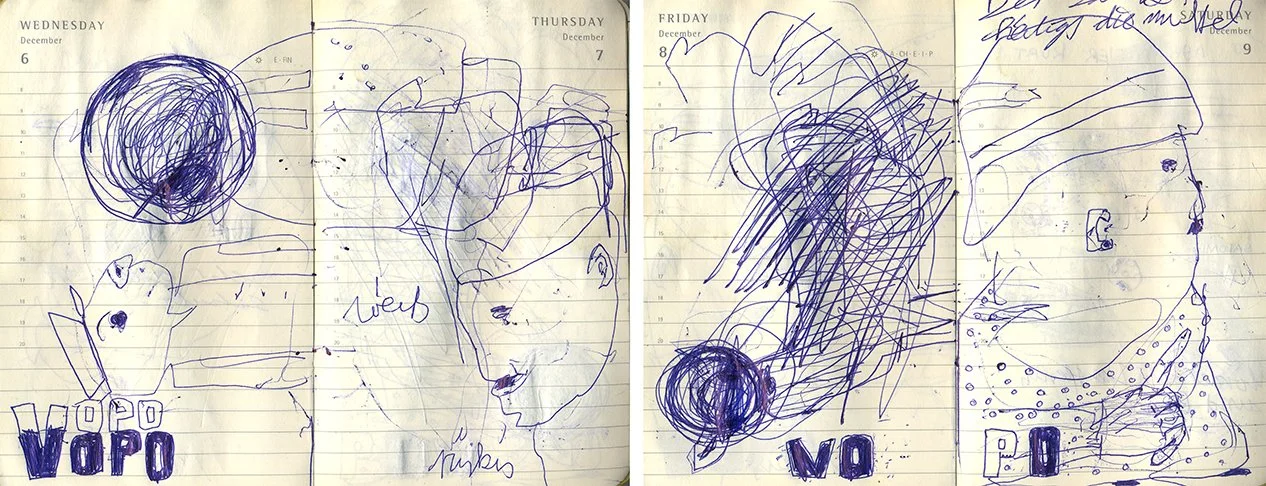
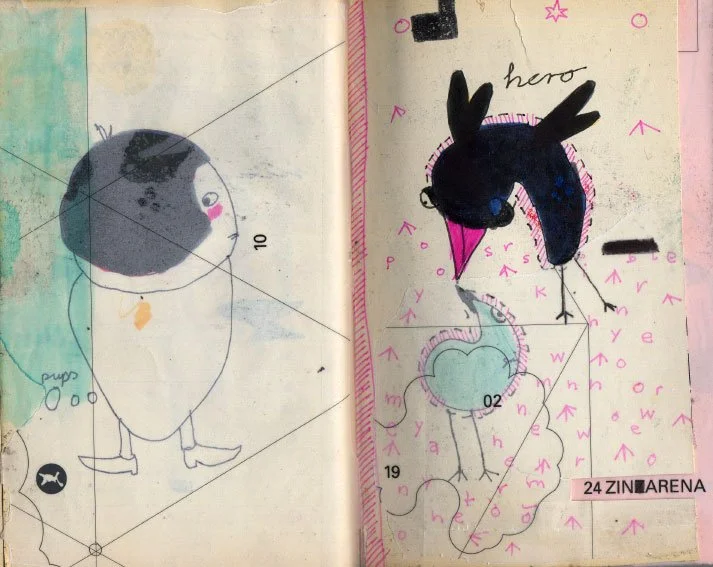
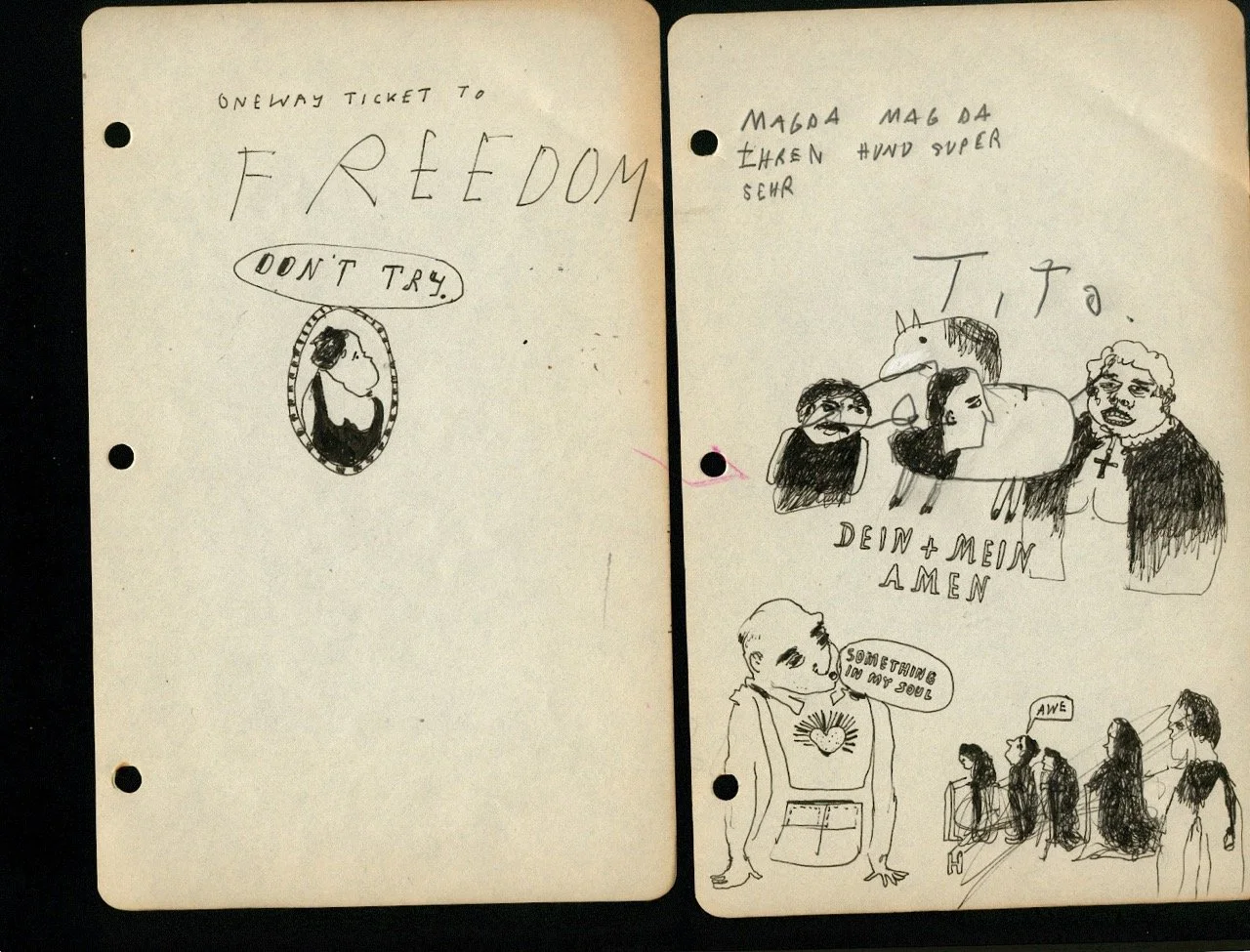
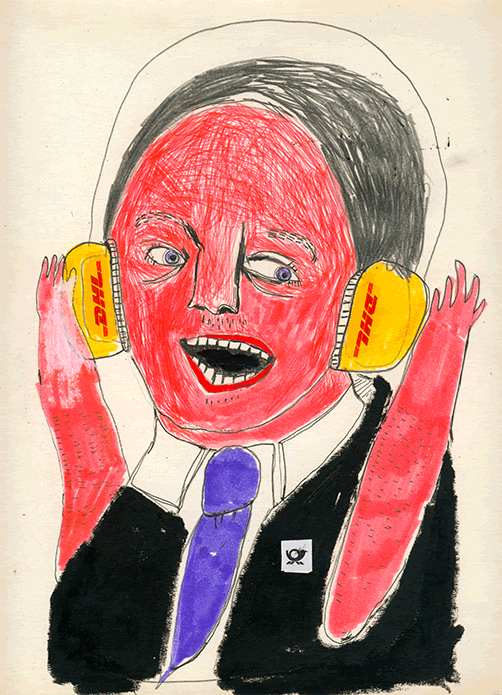
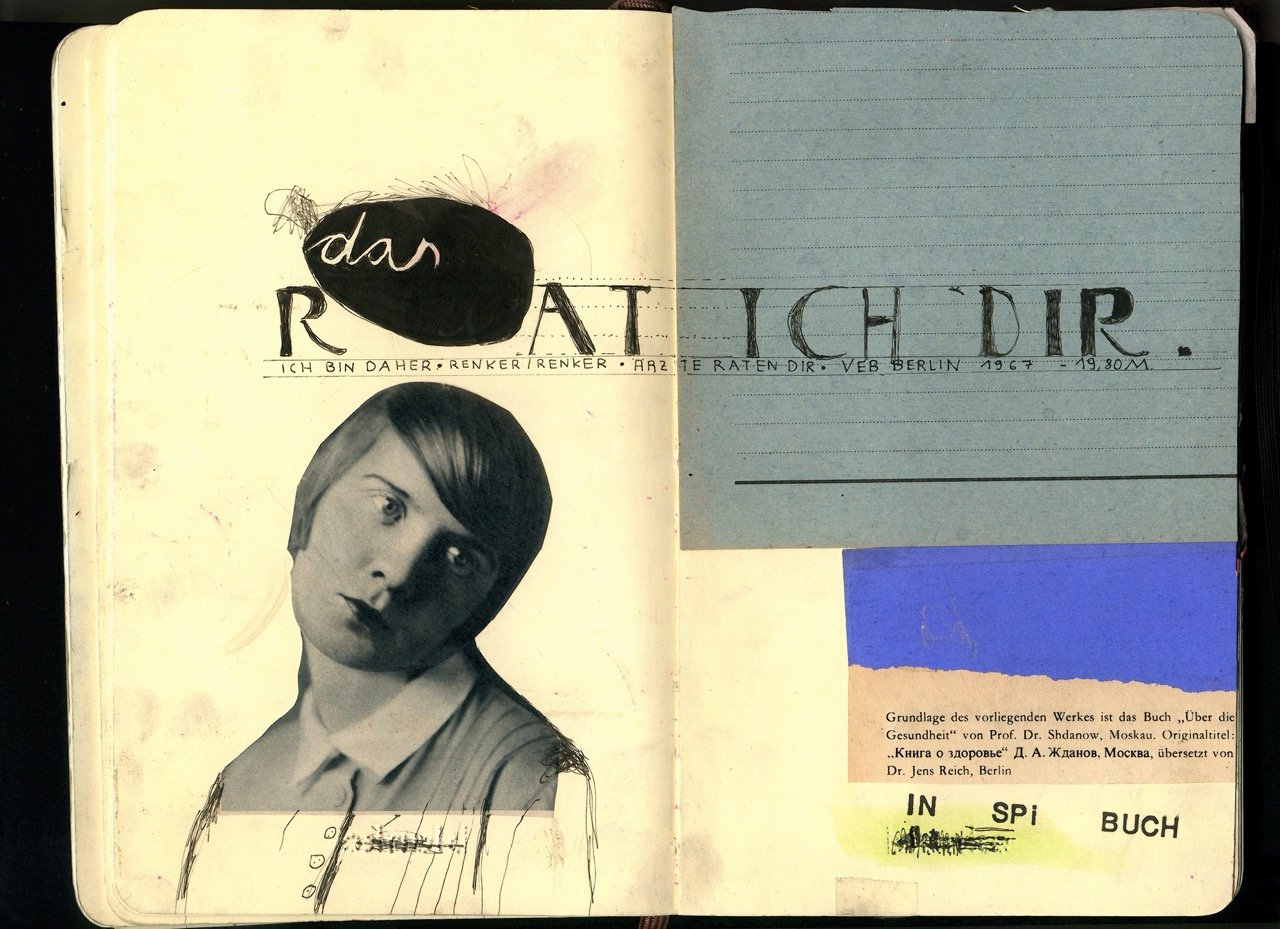
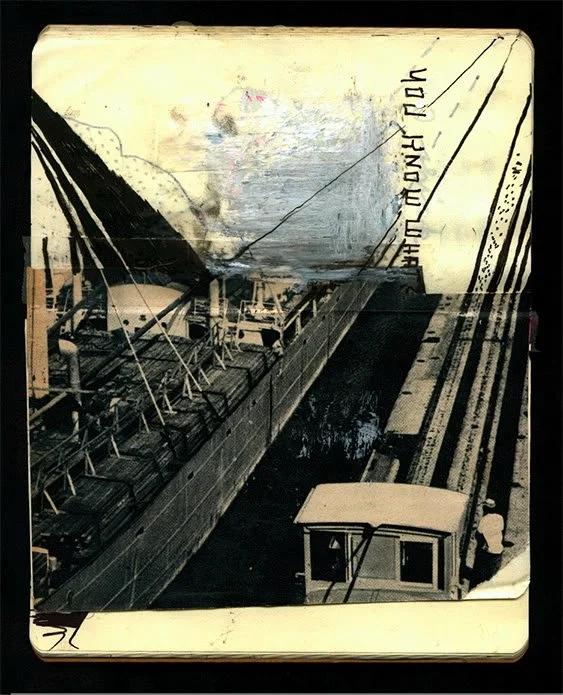
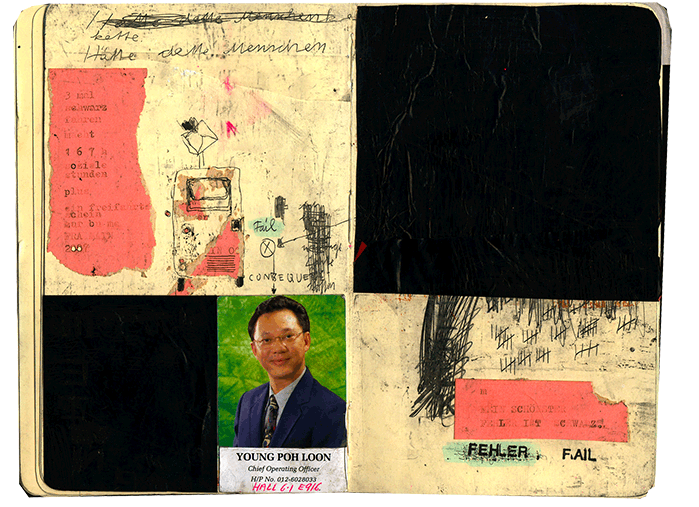
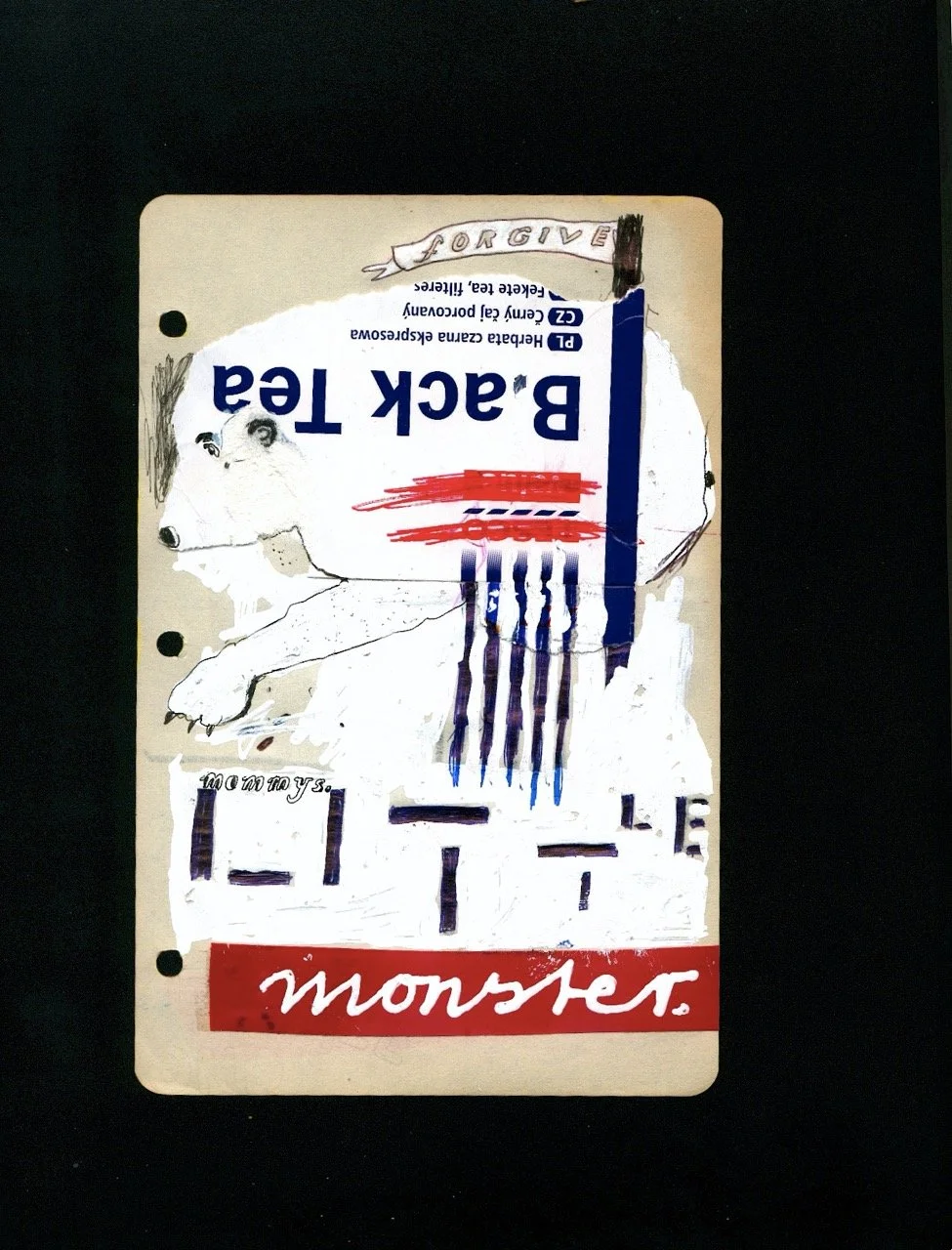
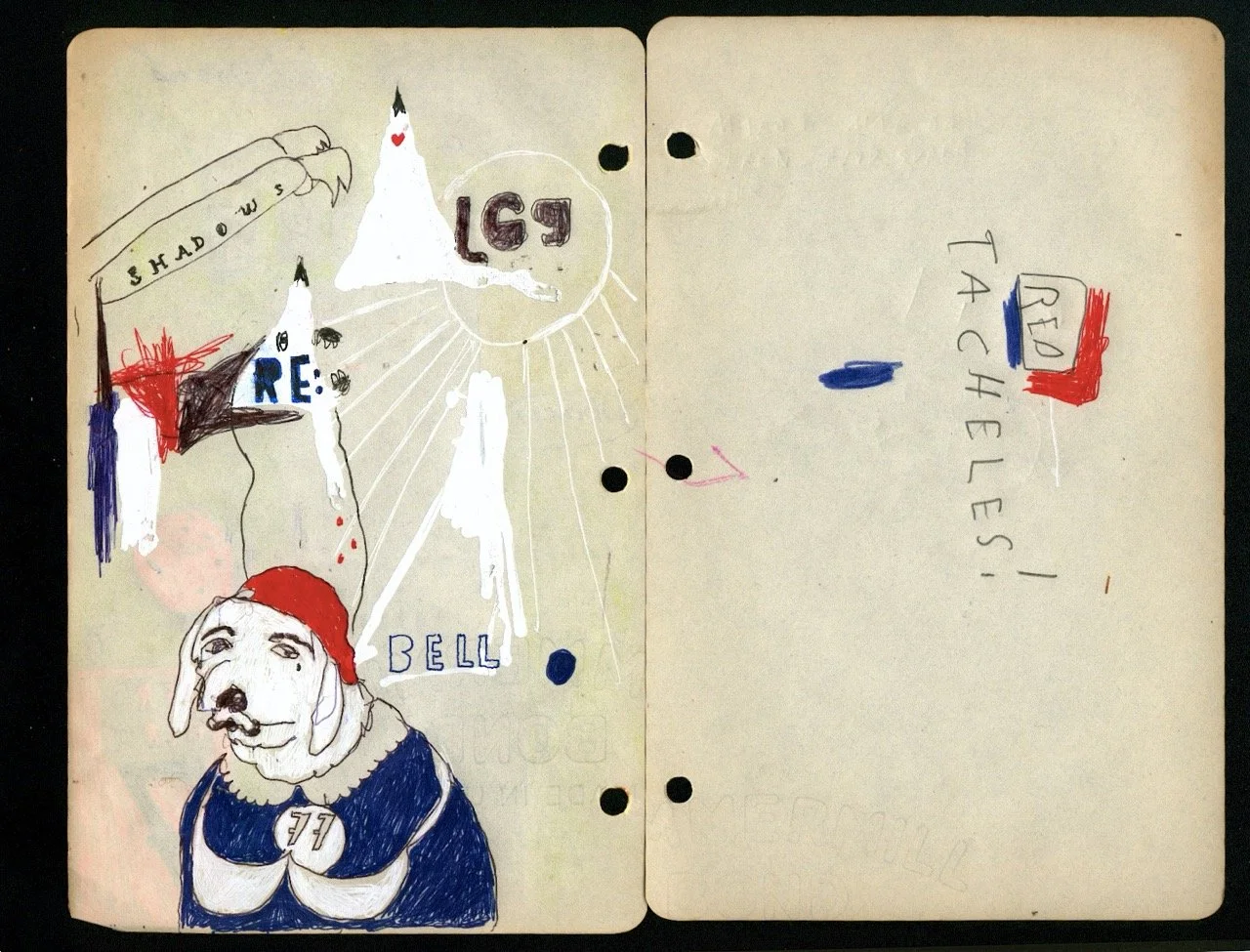
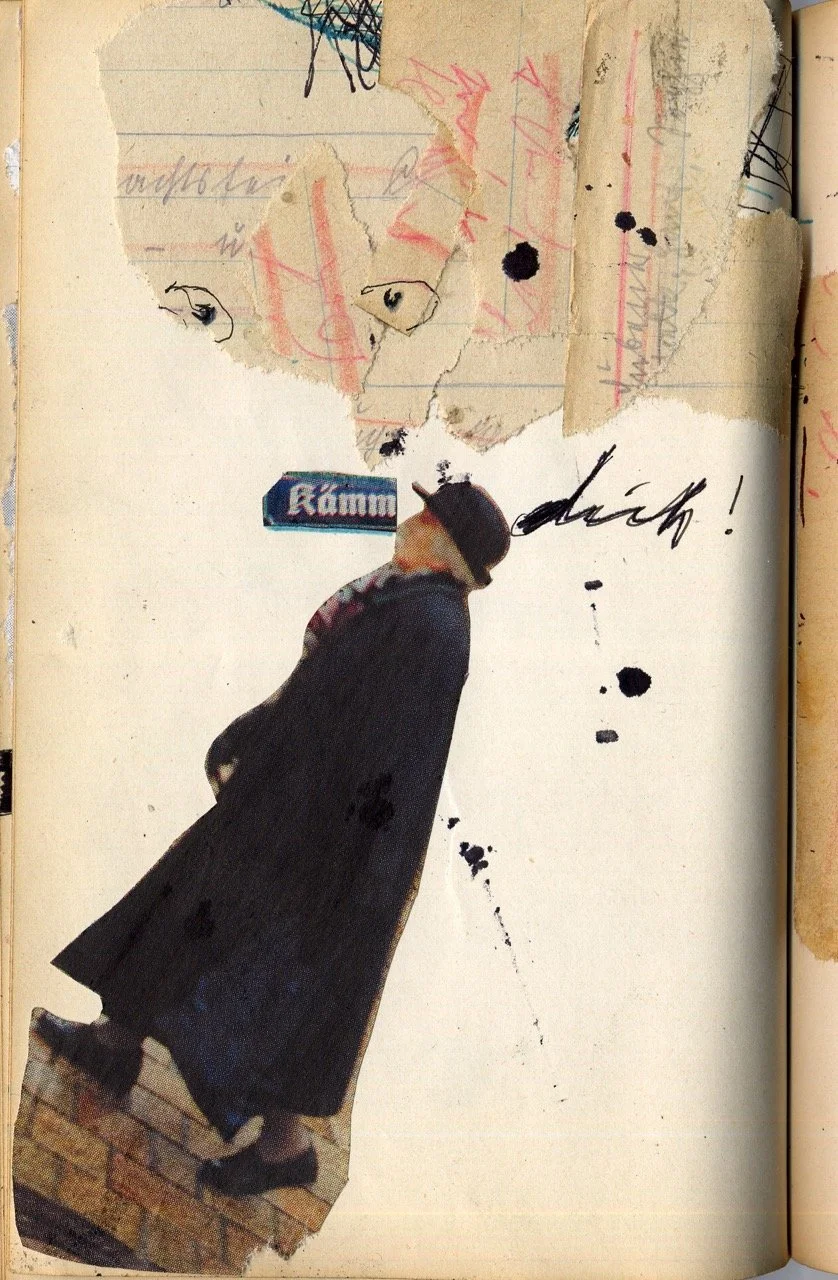
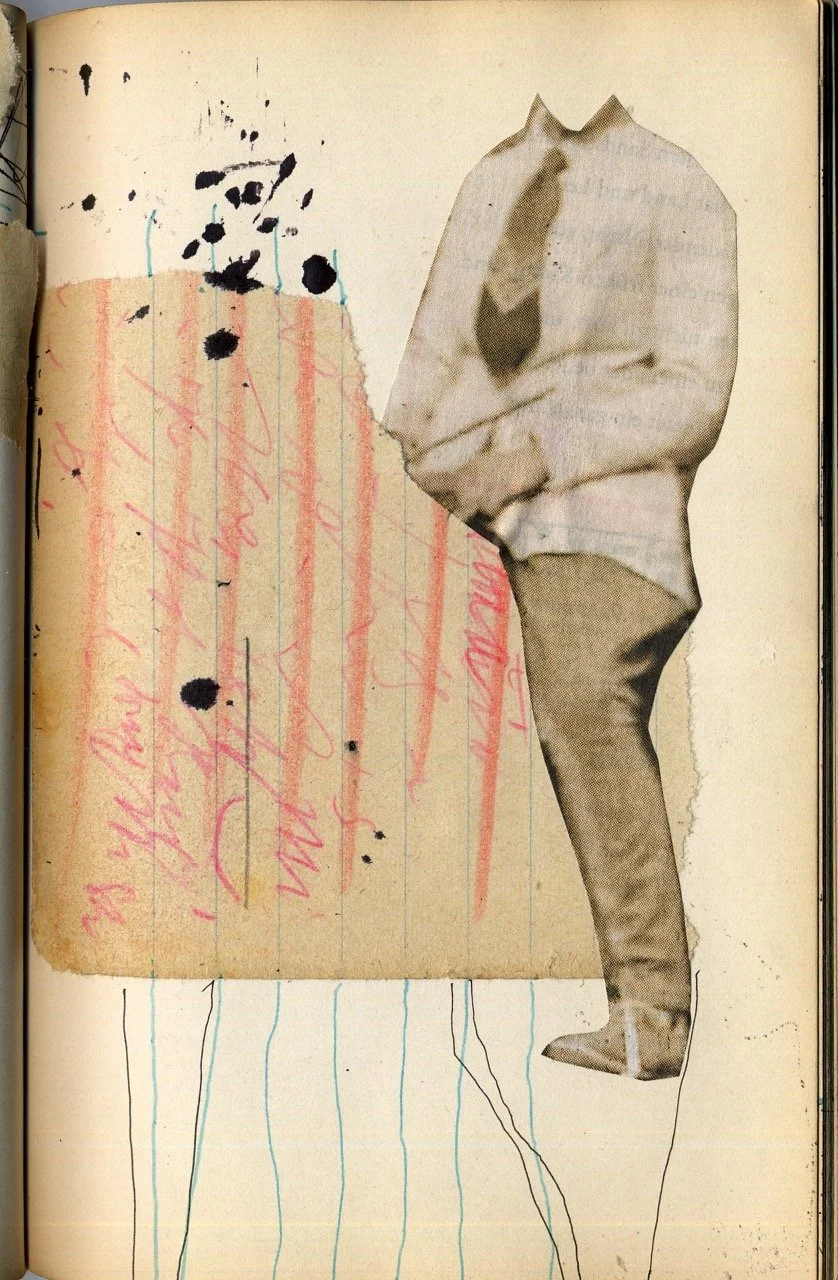
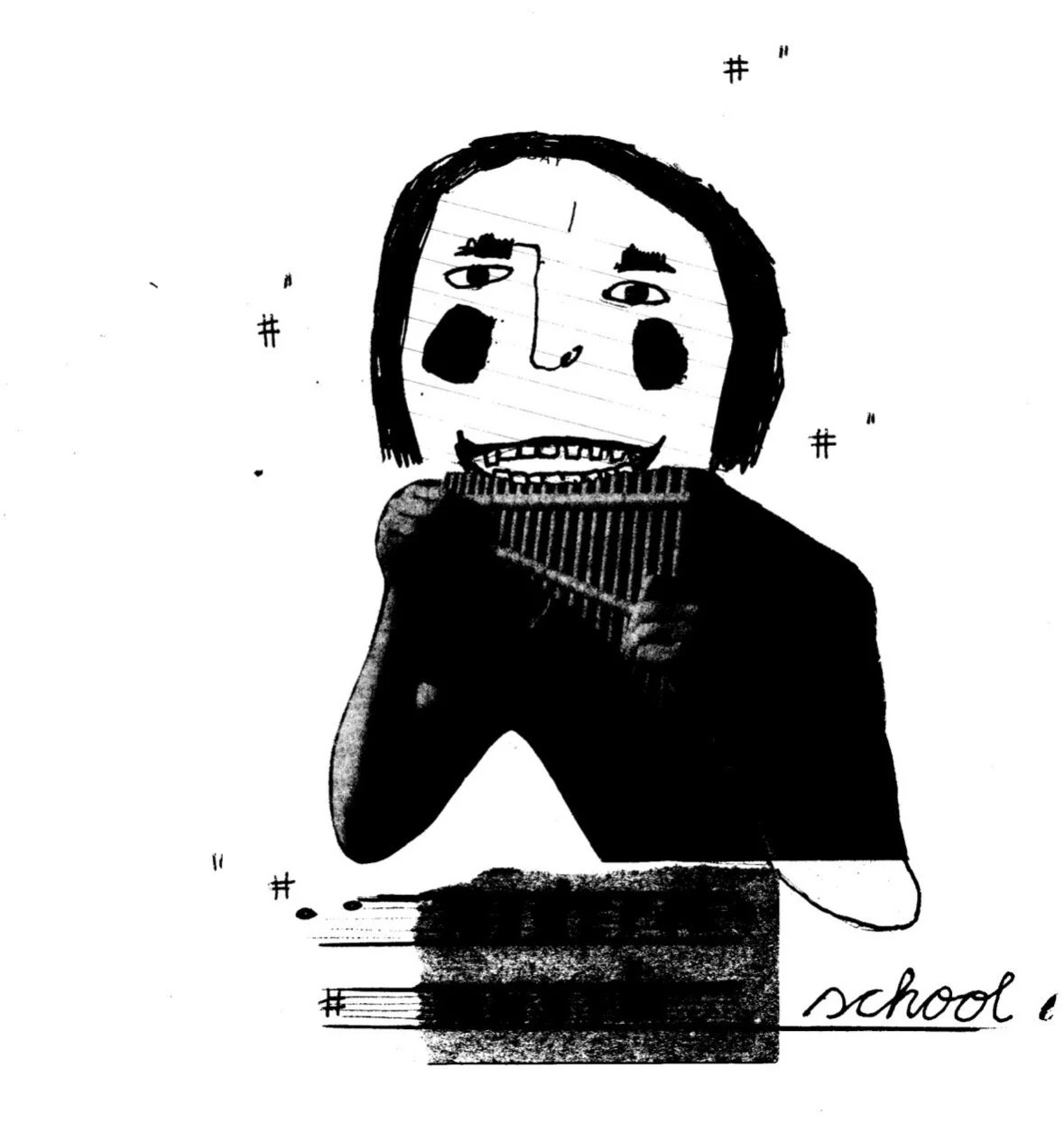
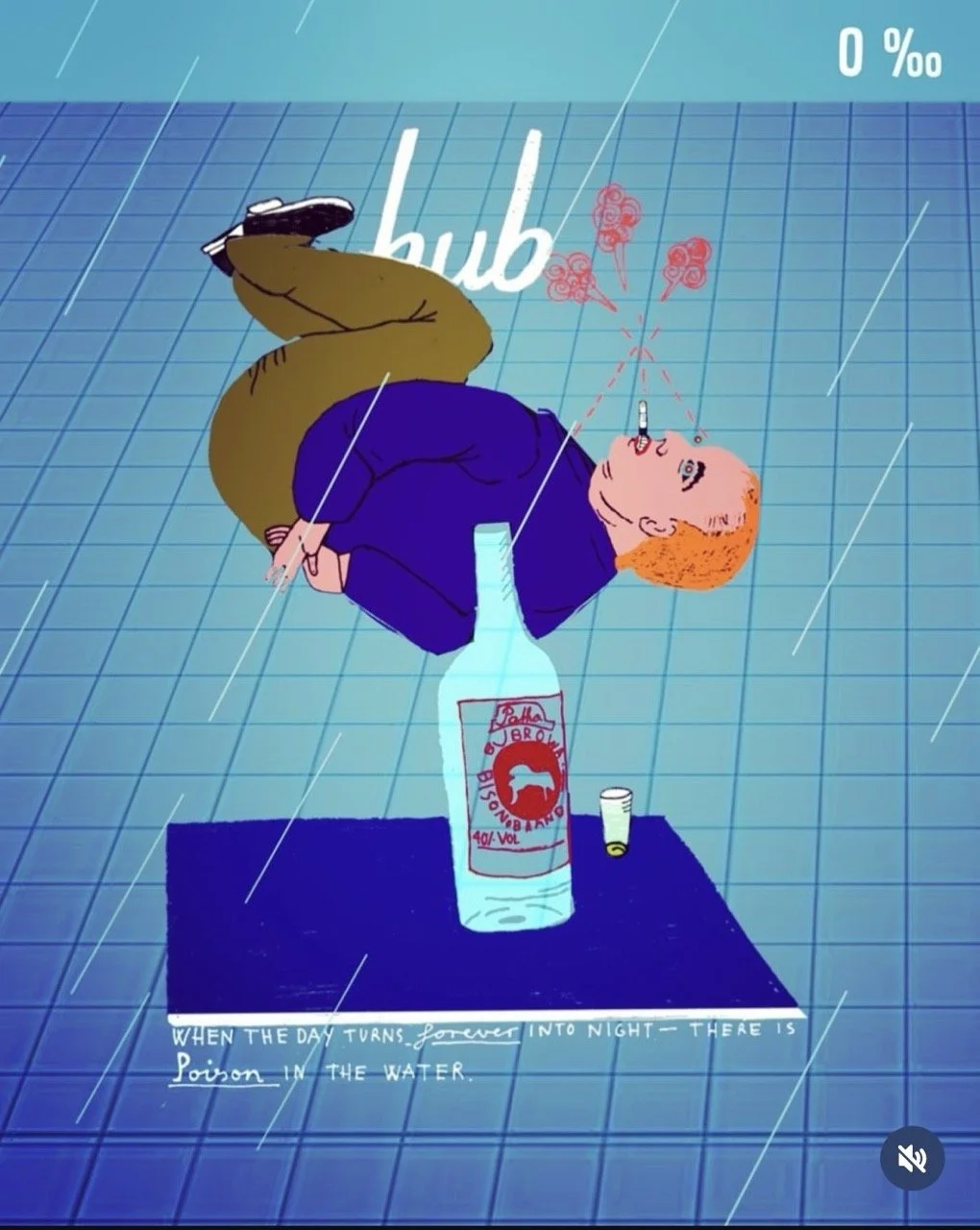
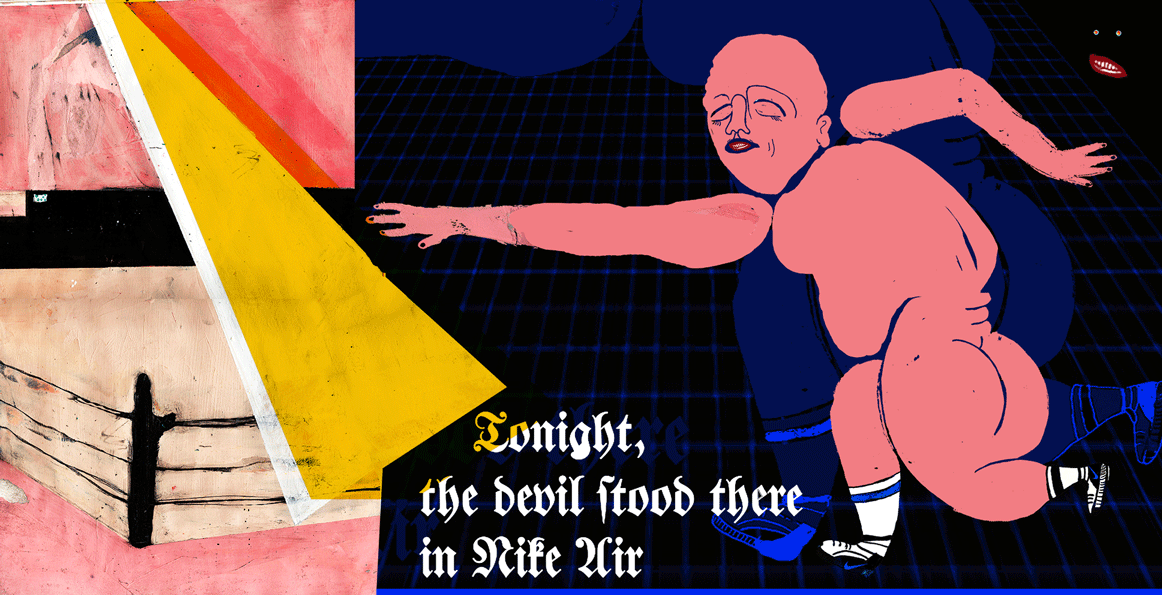
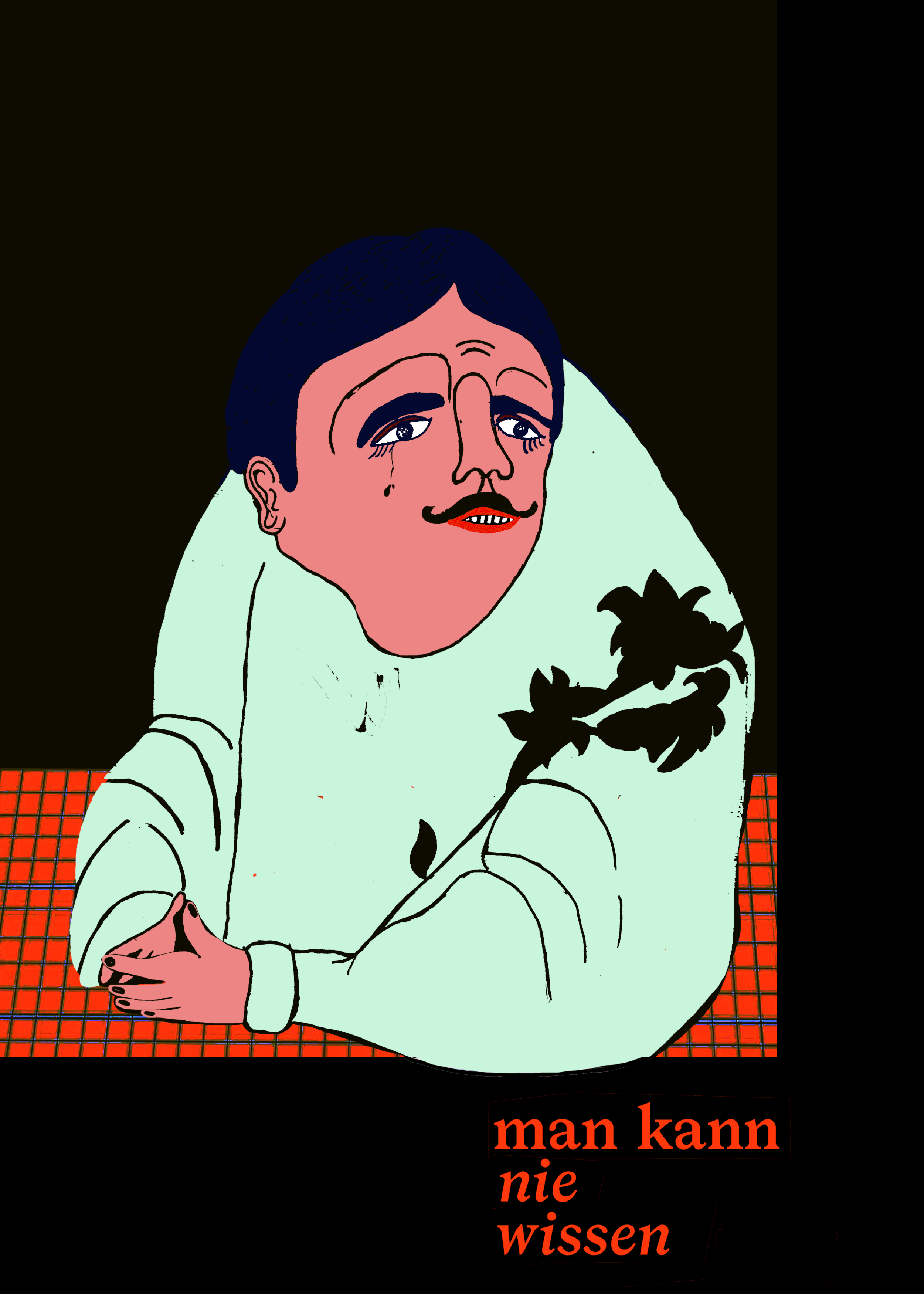
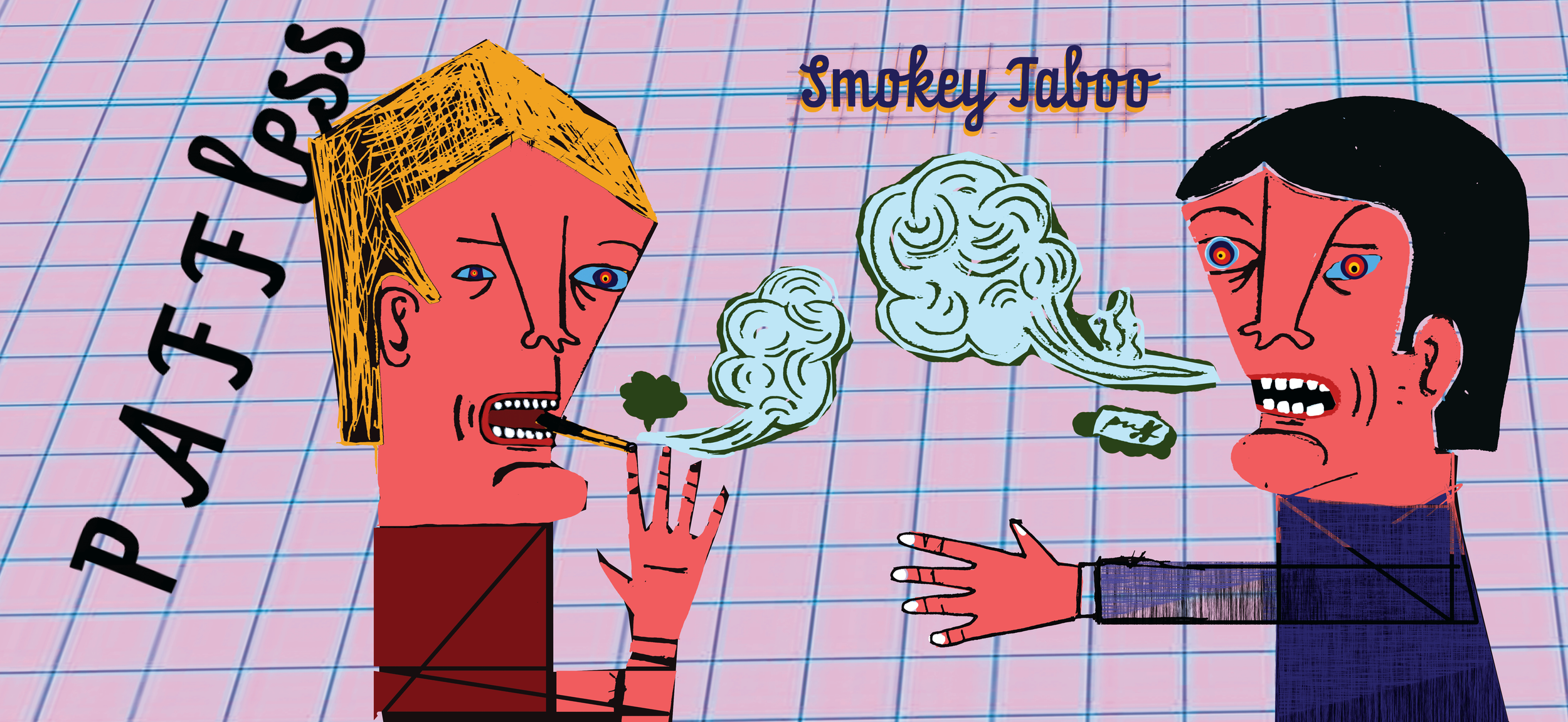
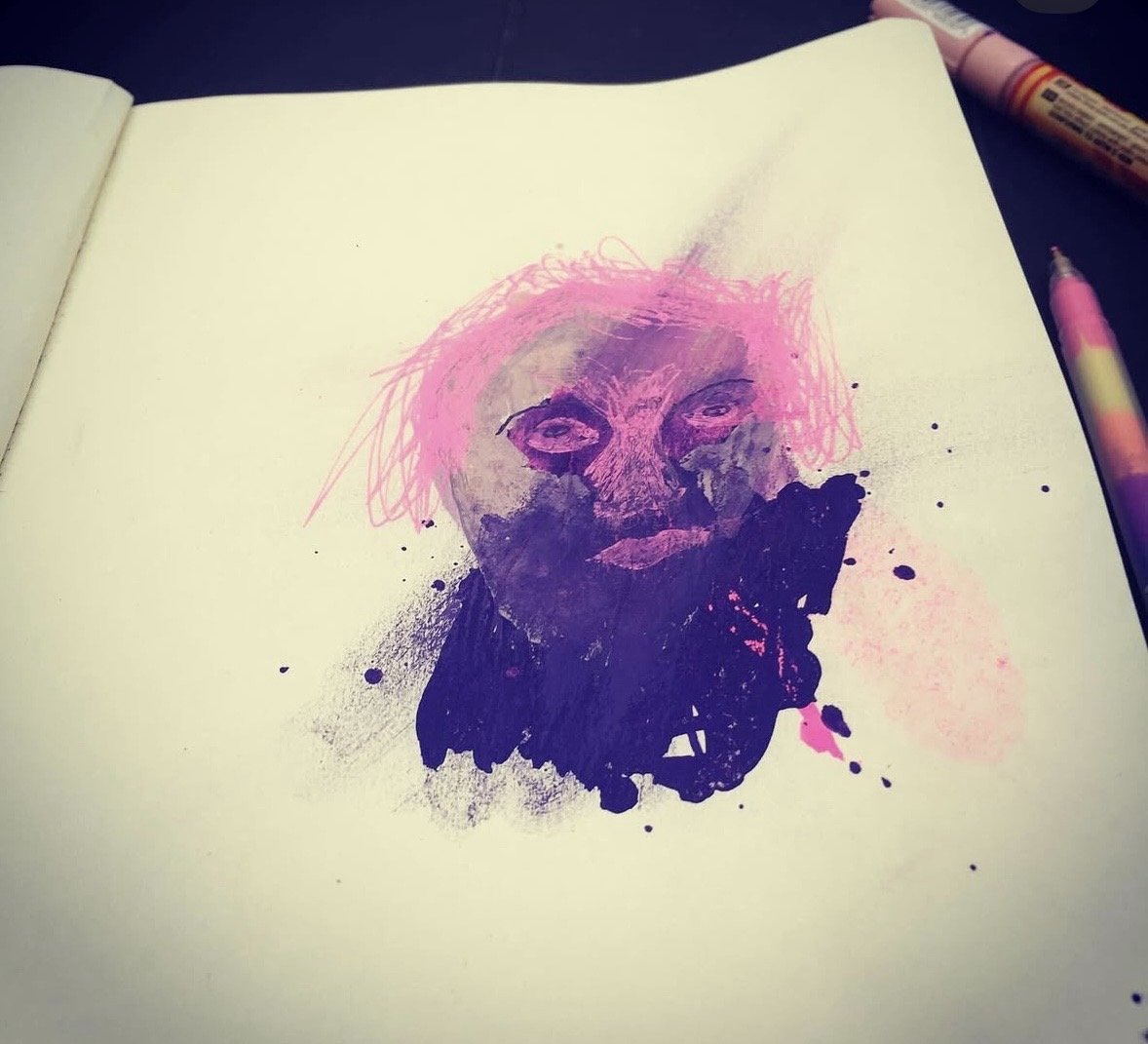
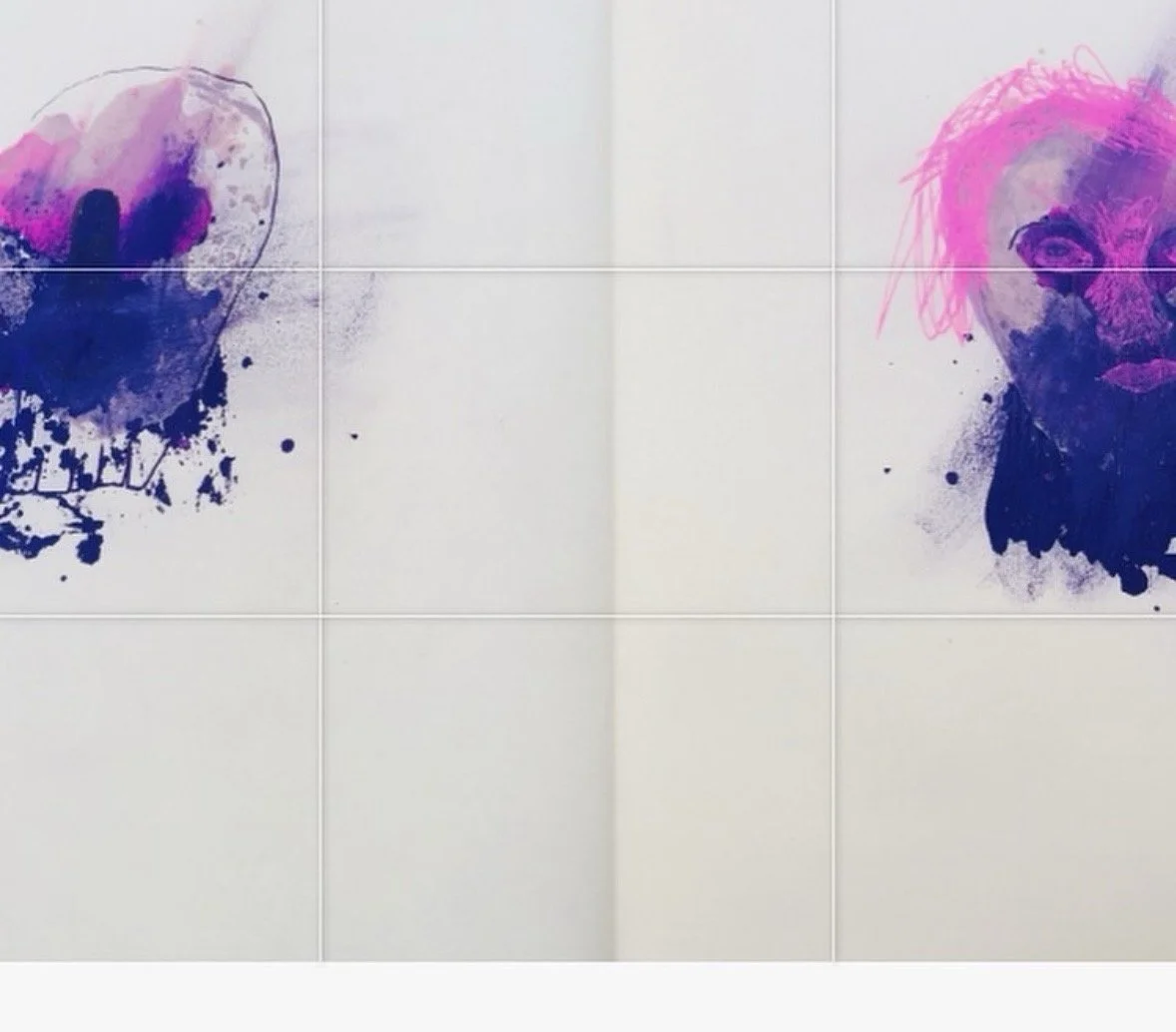
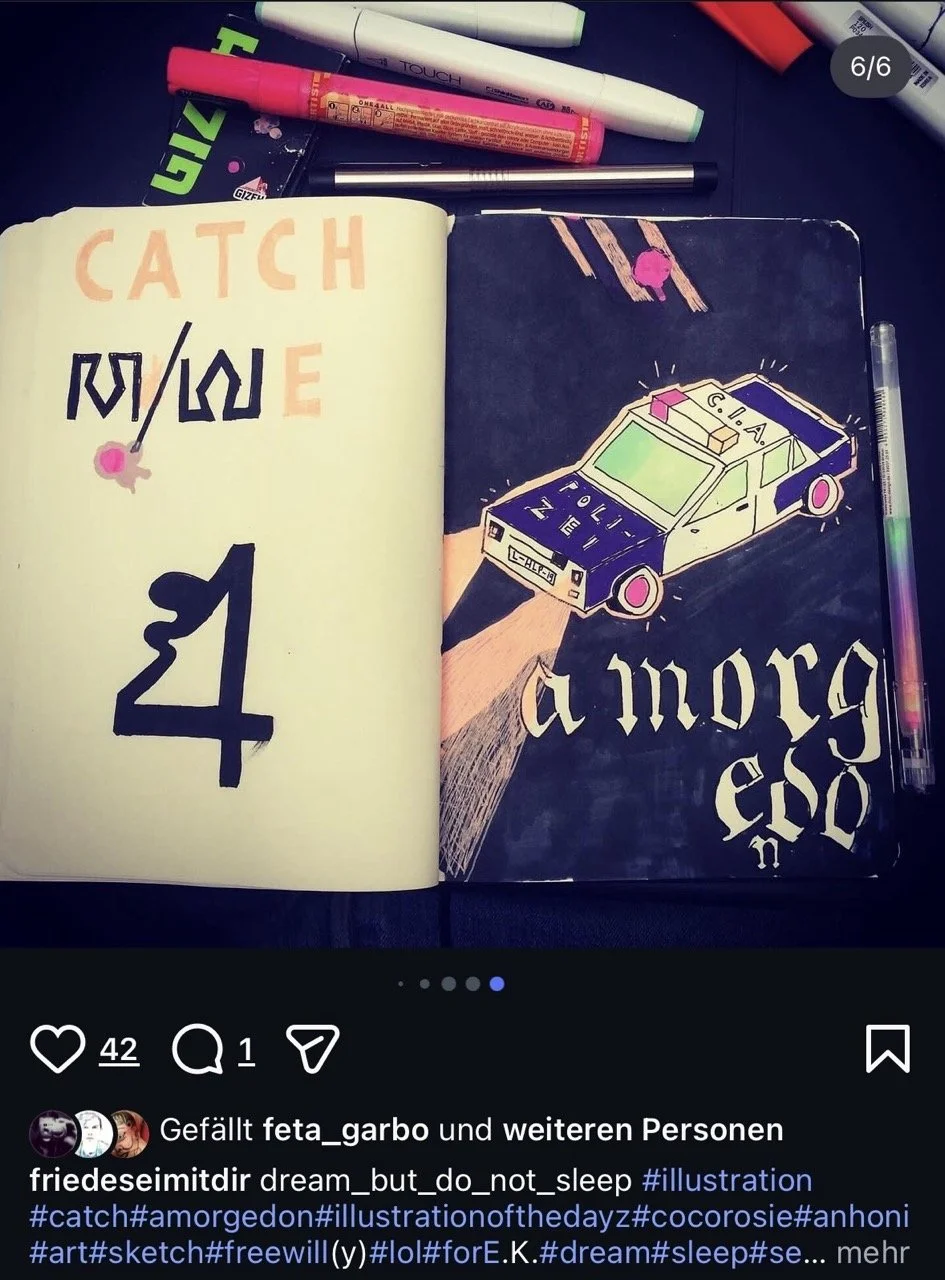
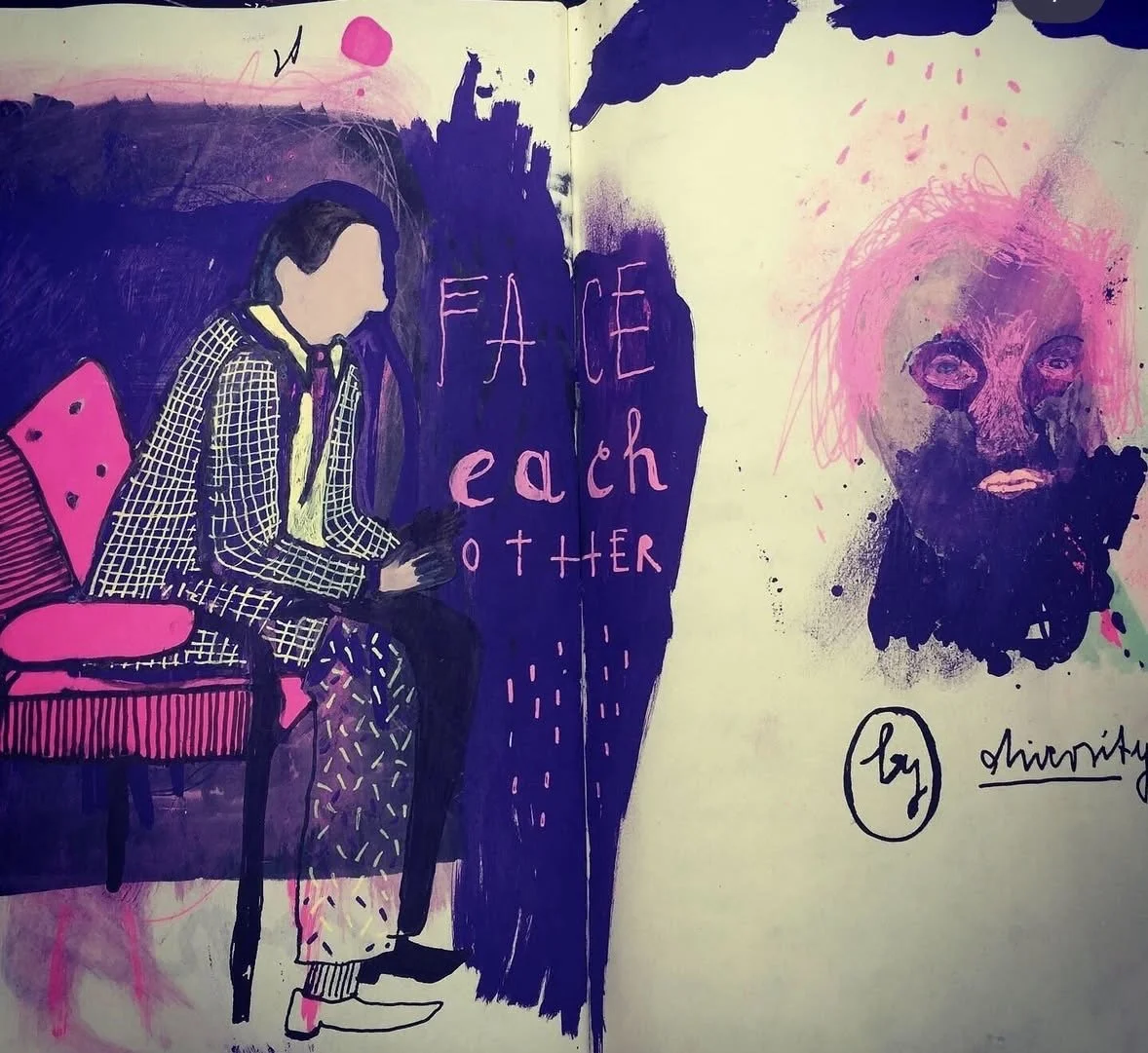
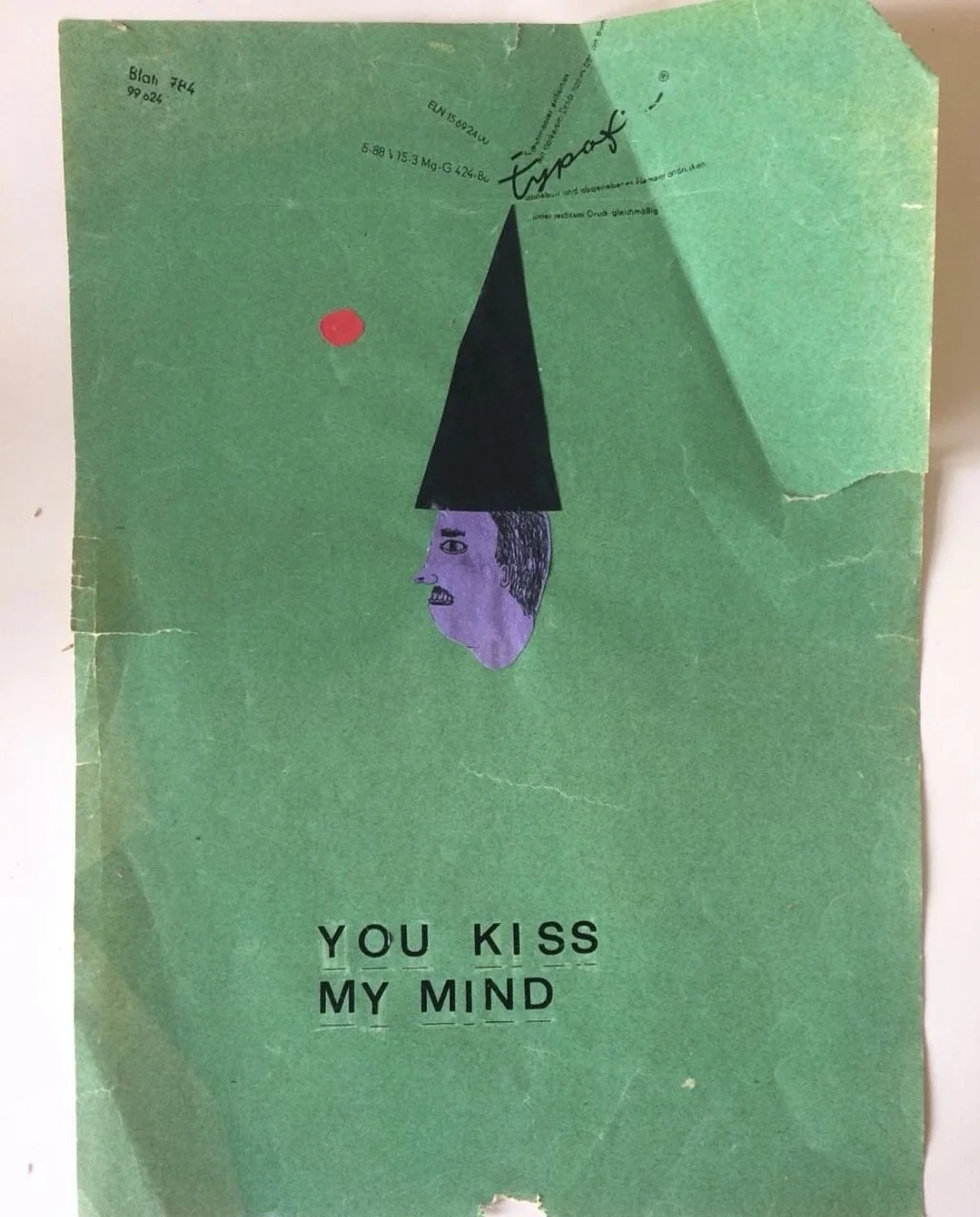
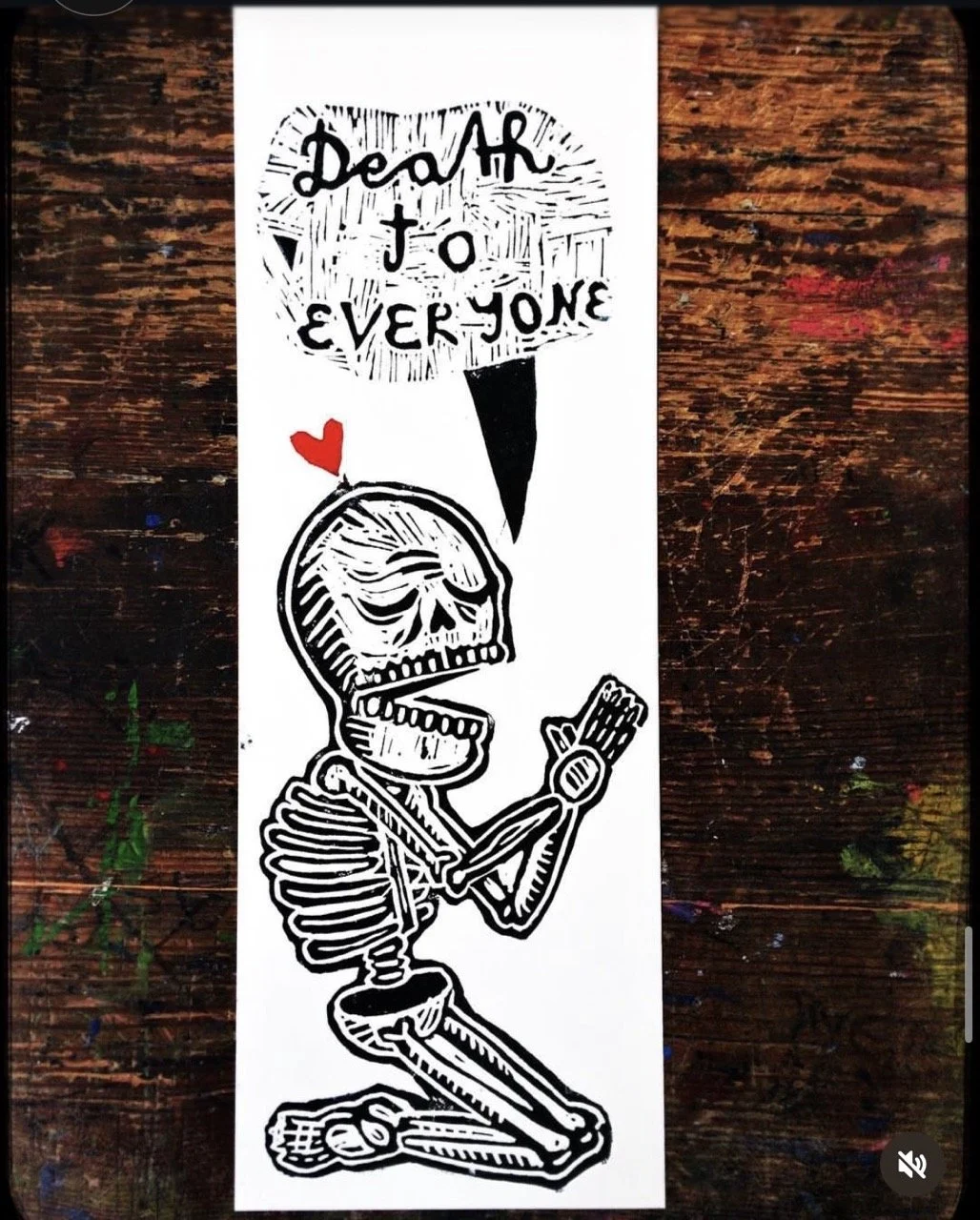
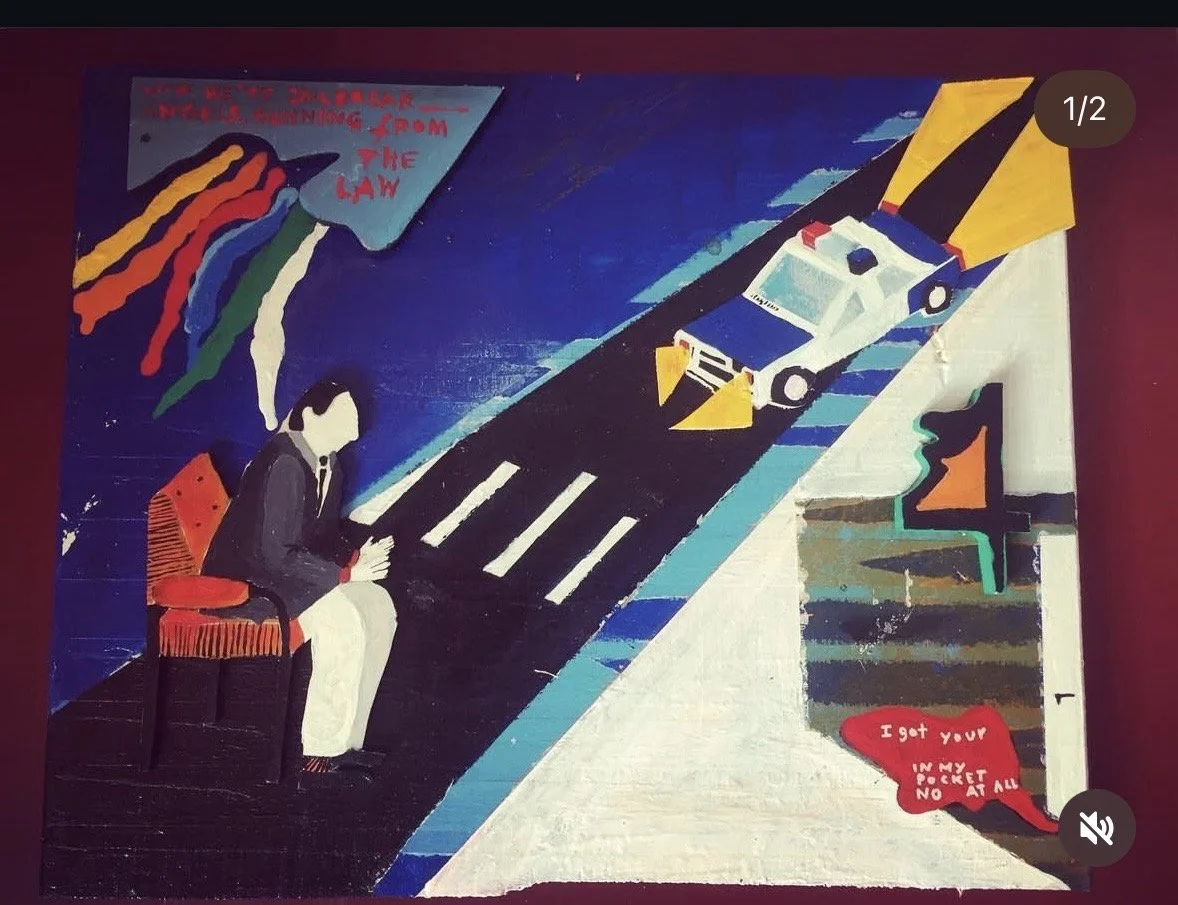
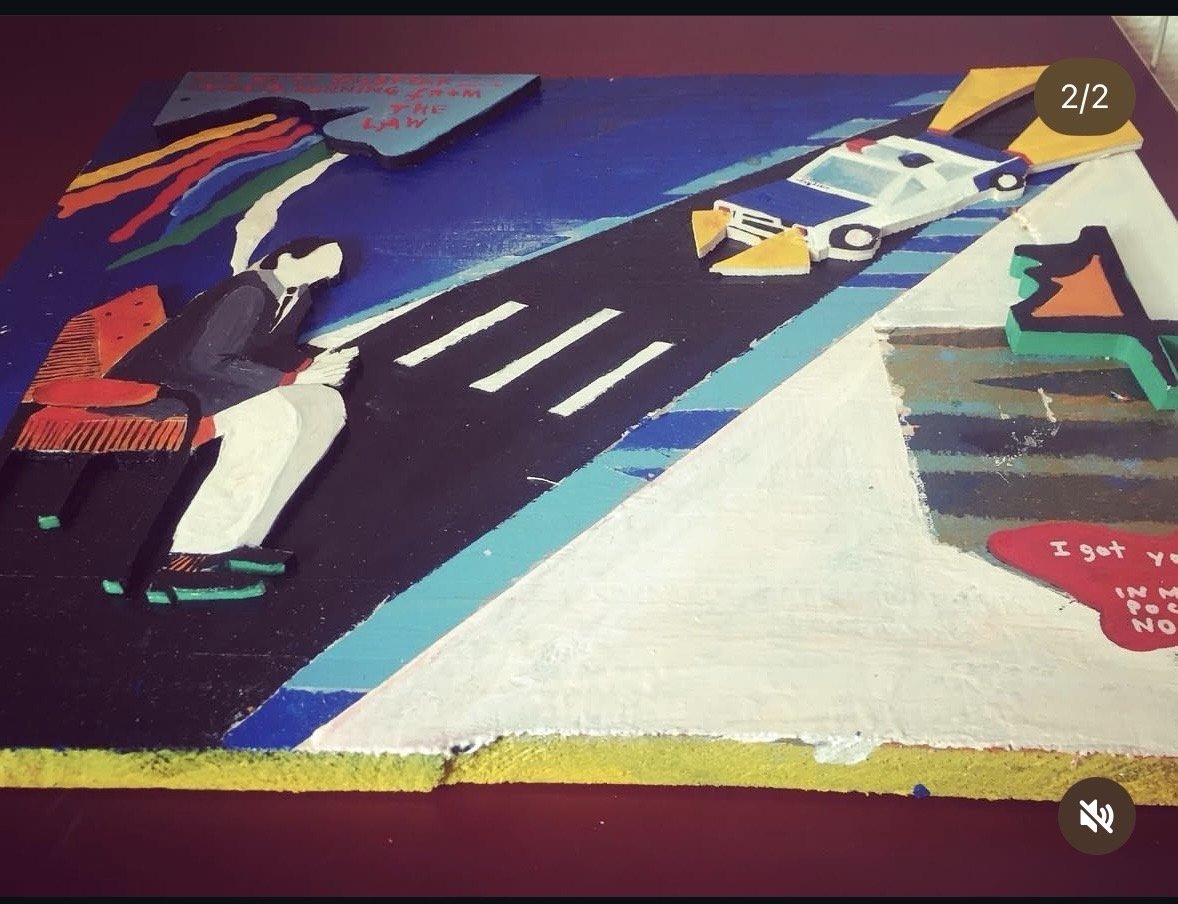
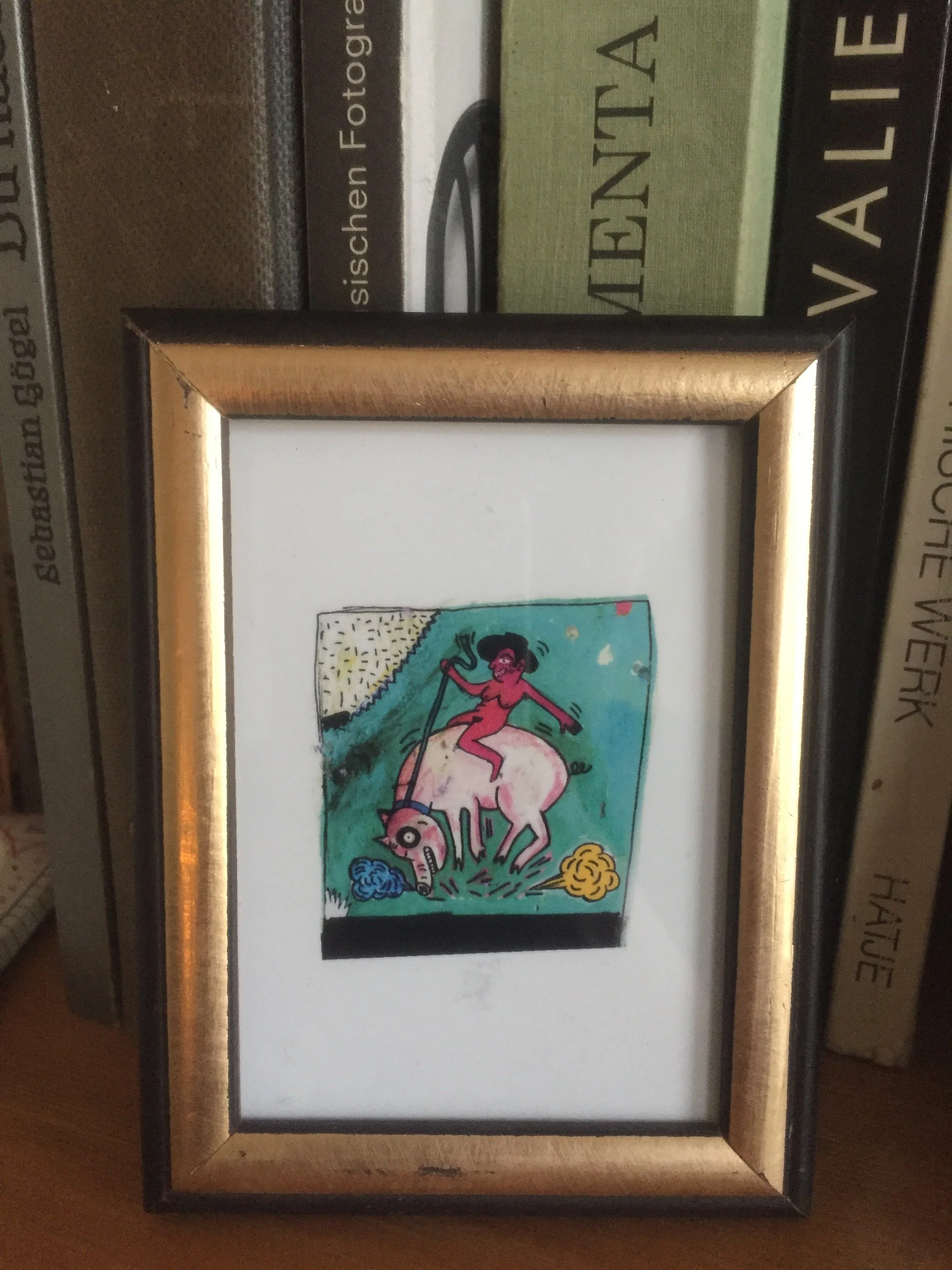
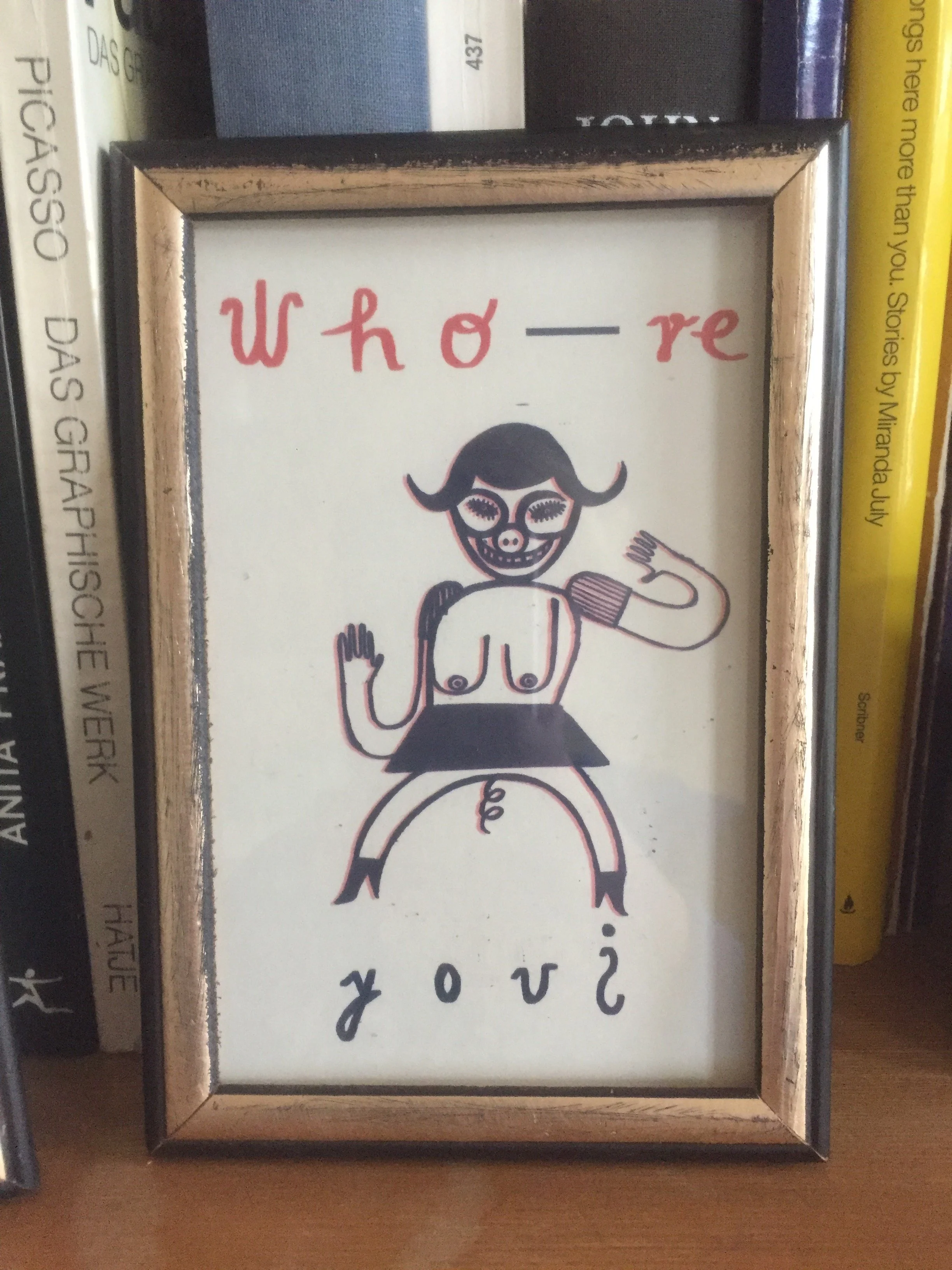
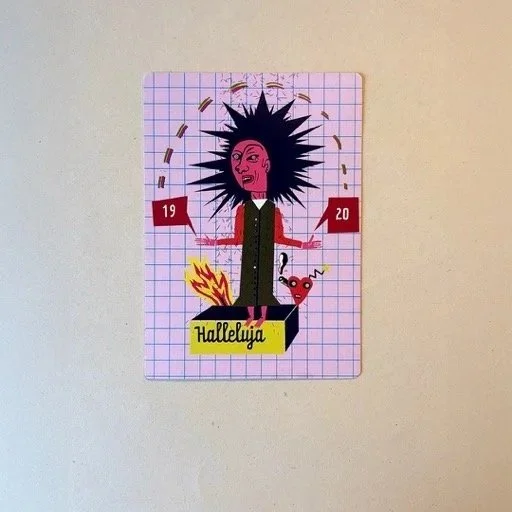
19/20
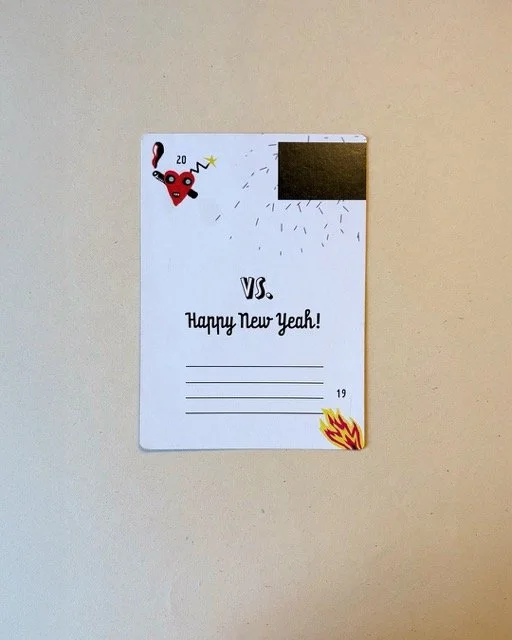
19/20
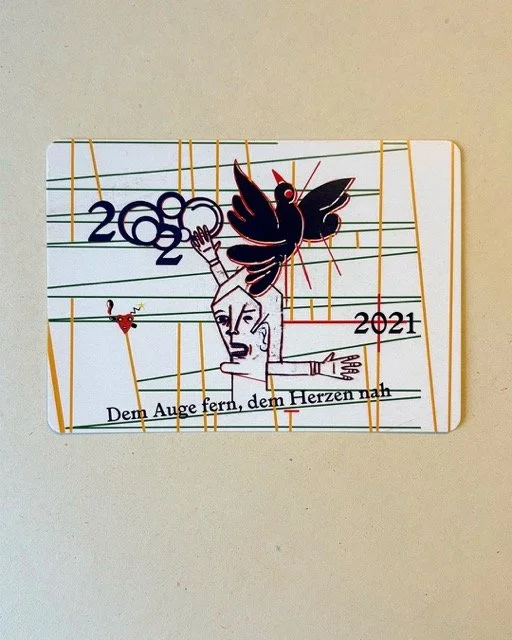
20/21
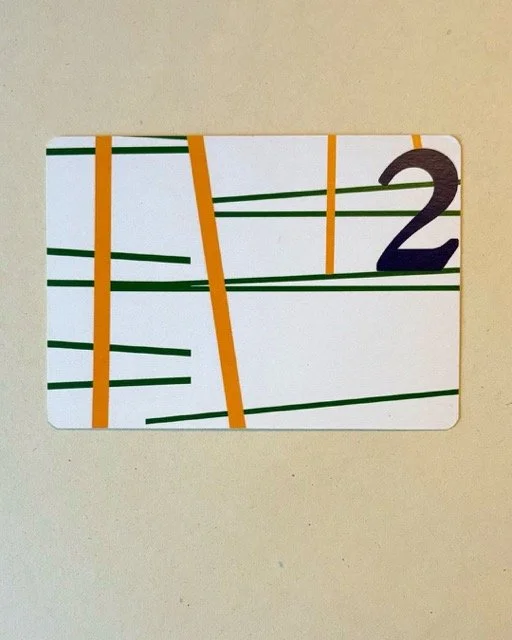
20/21
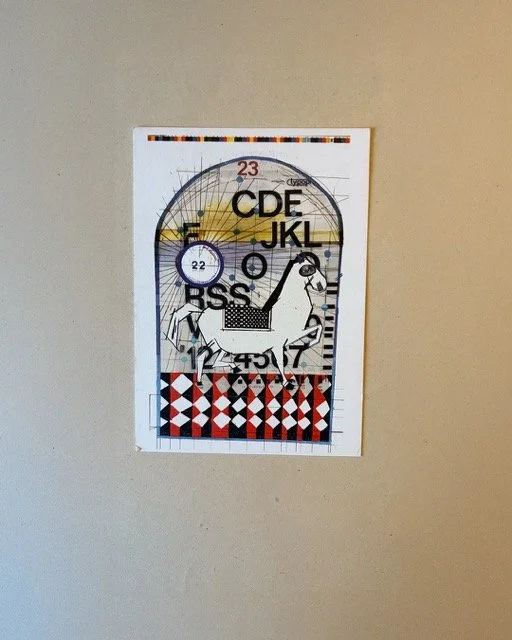
22/23
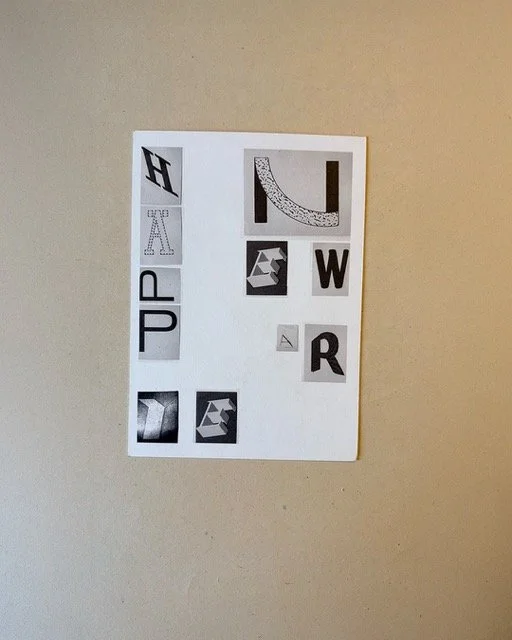
22/23
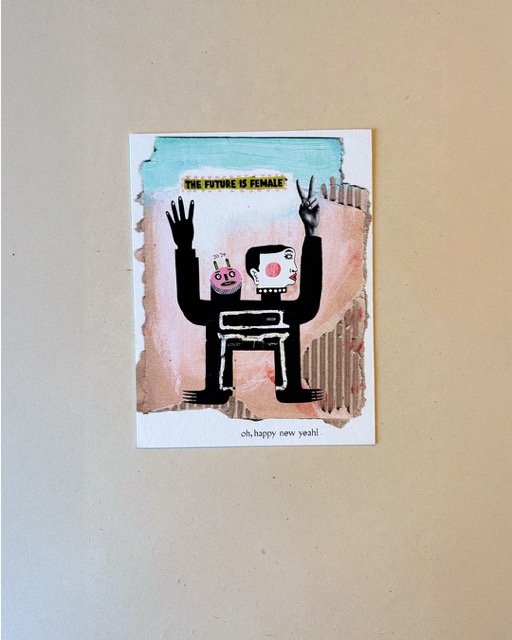
23/24
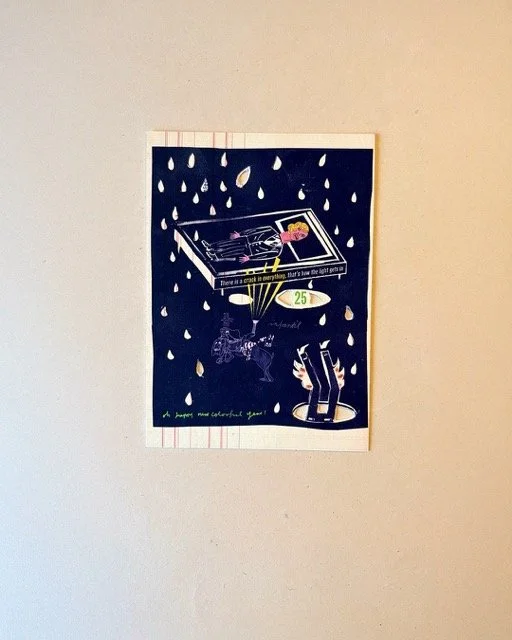
24/25 ,there is a crack in everything that's how the light gets in ` L. Cohen
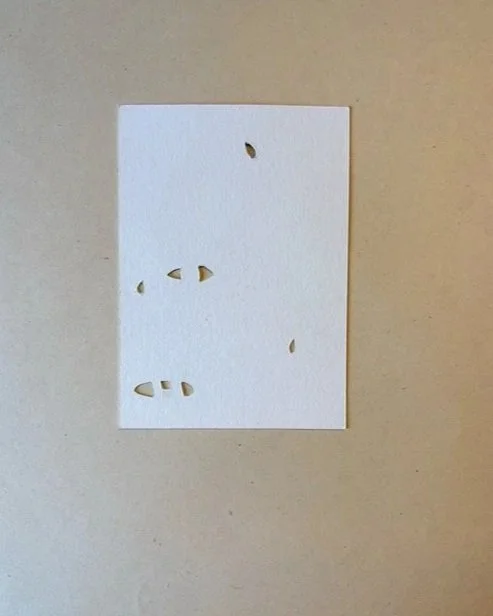
24/25
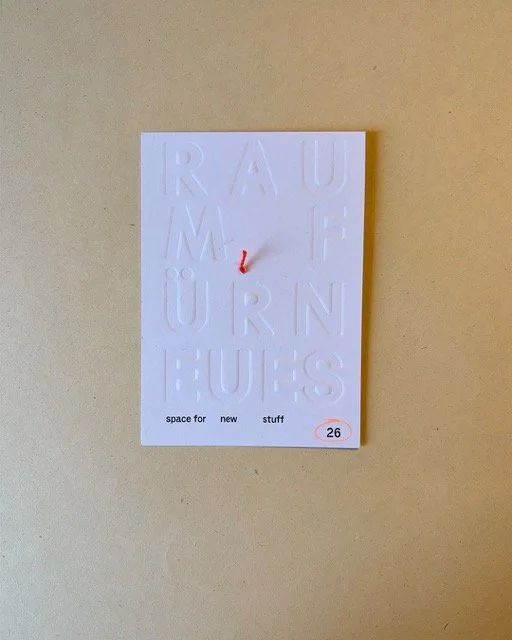
25/26
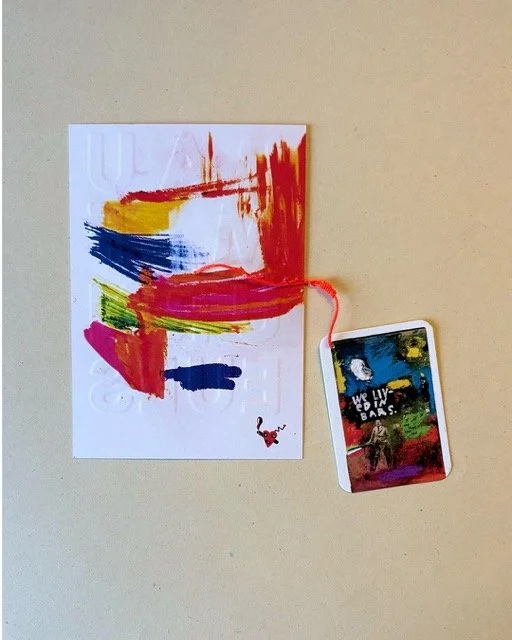
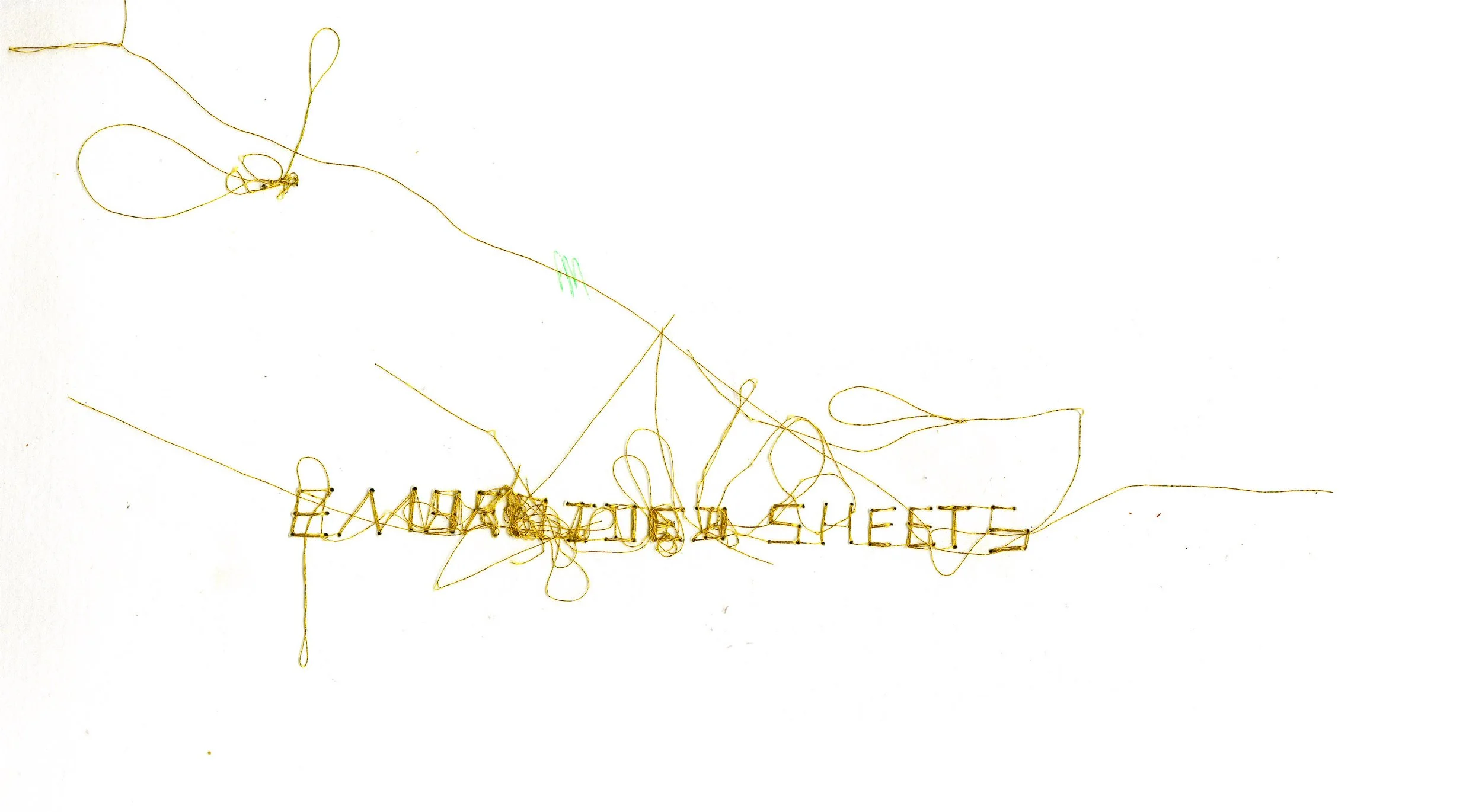
25/26 Without a thimble. A few needle pricks in the finger later: merry everything and a happy alwayz. P.S.: Card 25/26 was created in September before Spotify Wrapped.;) P.P.S.: Whoever has the longest baker’s thread wins;)
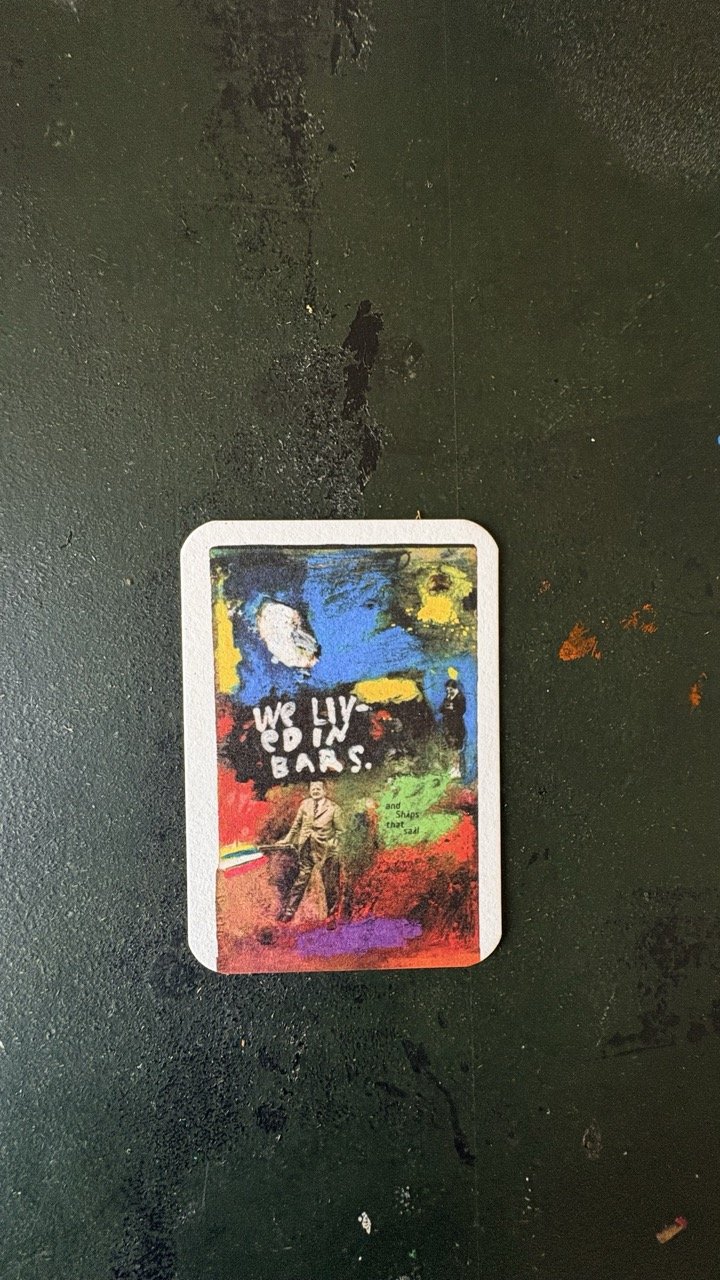
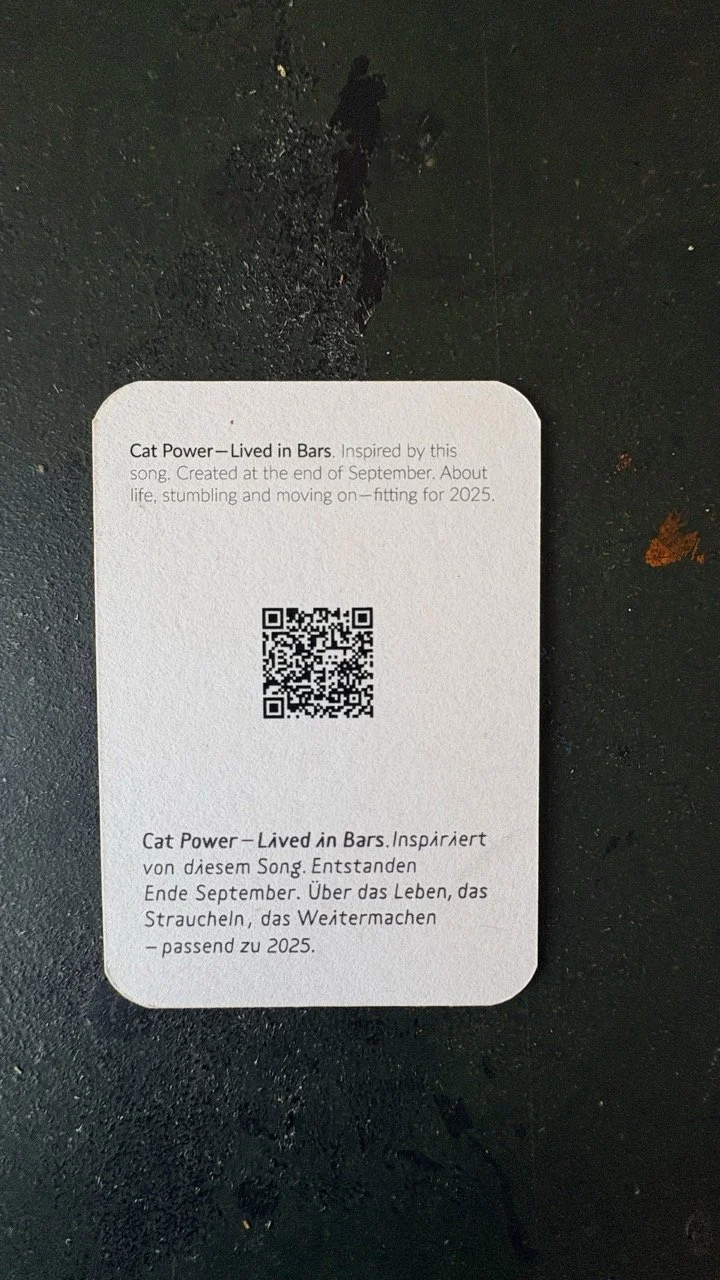
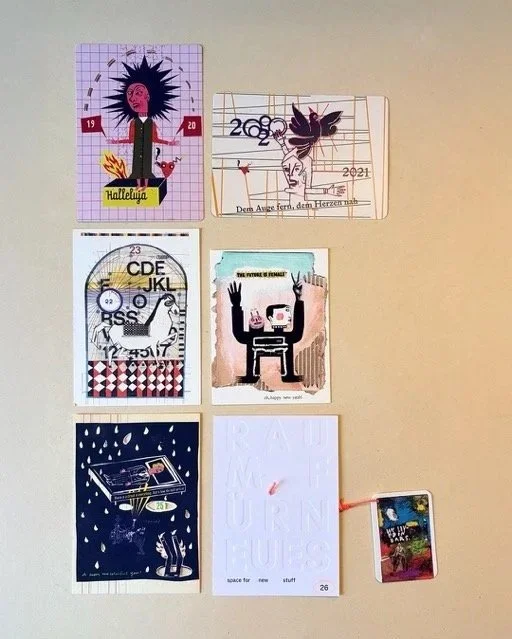
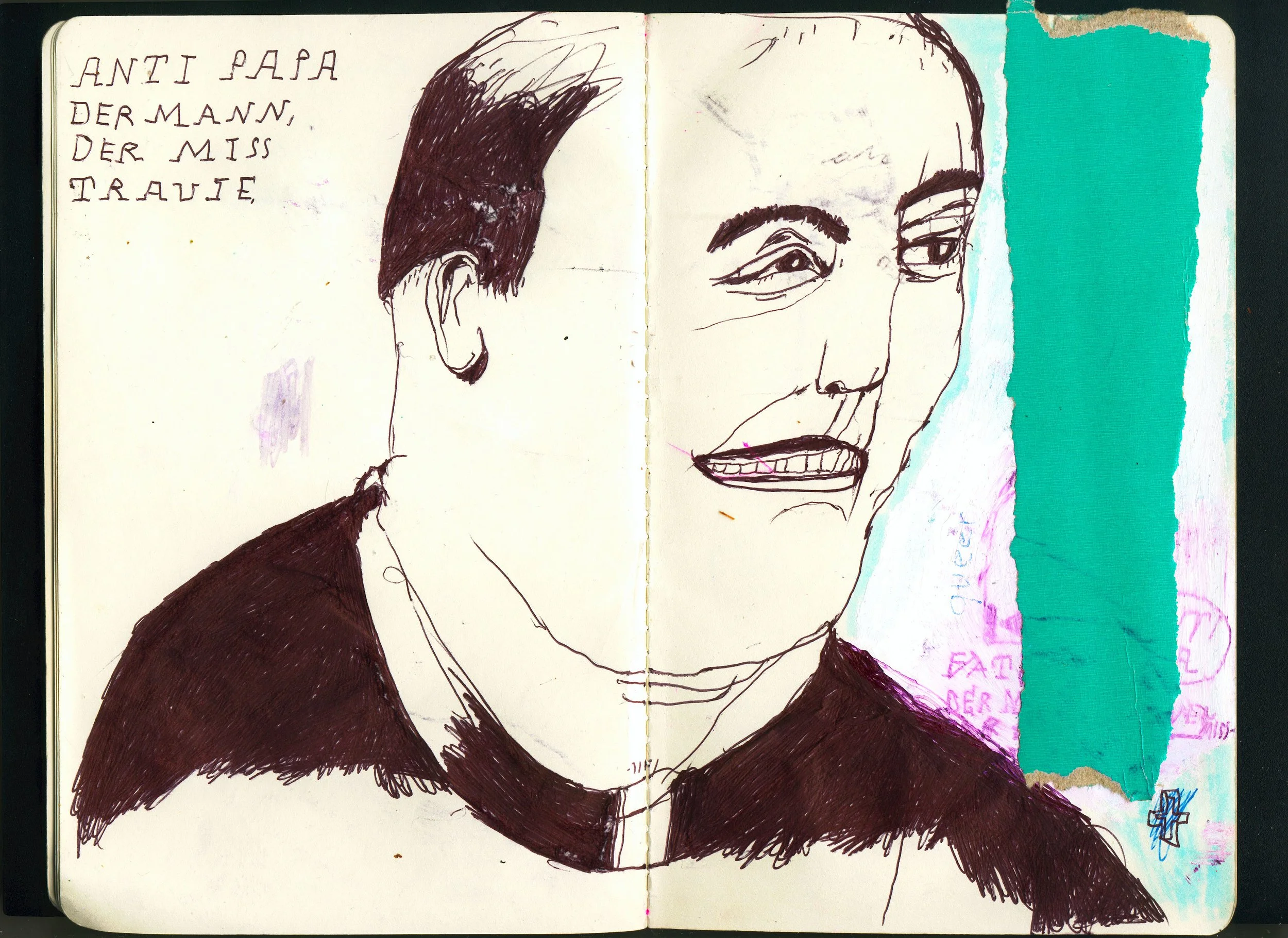
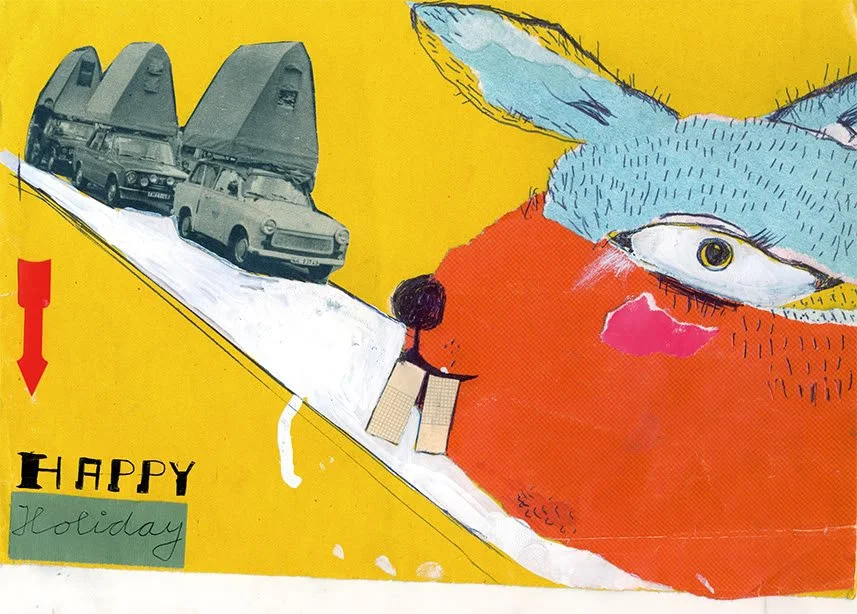
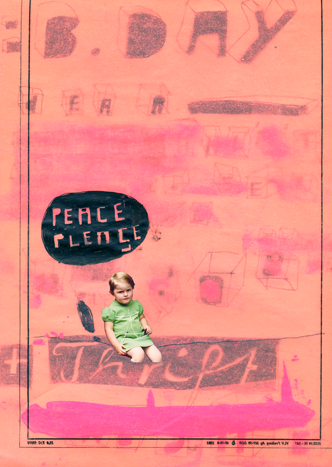
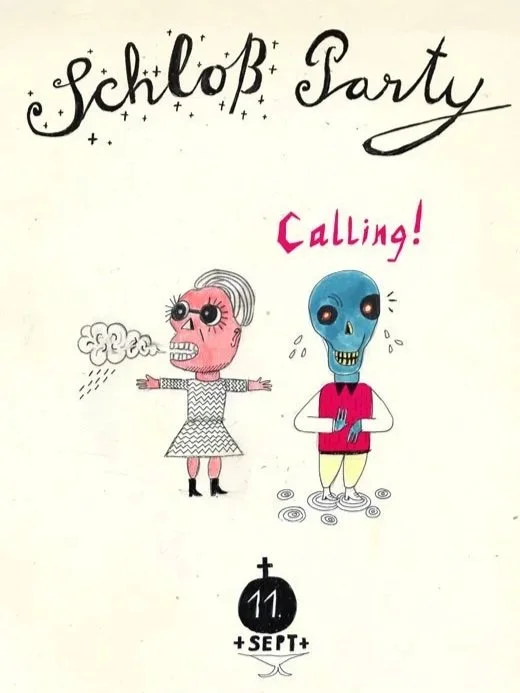
December Postcards. Every December 1 Postcard. Happy New Yeahs. For my beloved ones.
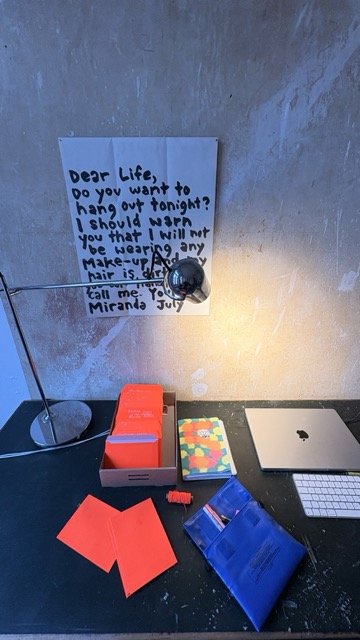
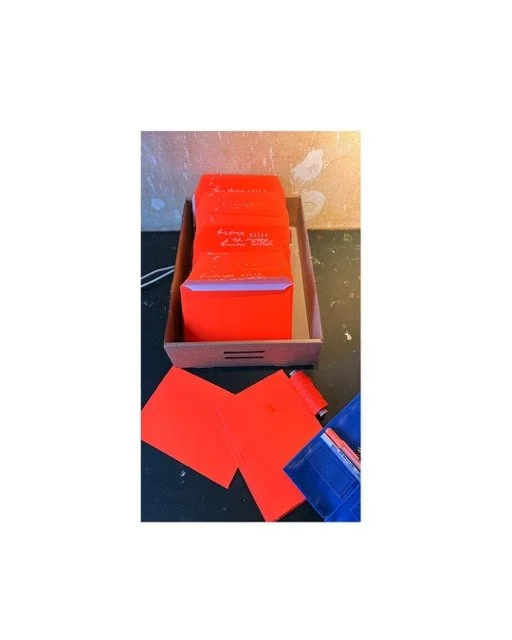
All out. Some are there. Others missing, still coming. Greetz to Berlin, Cologne, Schwerin, Ulm, Hanover, Gera, Taunus, Eichsfeld, Hamburg, Allgäu, Heidelberg, Bruxelles, and Italy. {torino, rimini}.. oh yez, and of course Leipzig.
Das Projekt »KATHARSIS«,
realisiert im Leipziger Independent-Kulturort Noch Besser Leben (NBL), übersetzt den altgriechischen Begriff der seelischen Reinigung in eine visuelle Explosion.
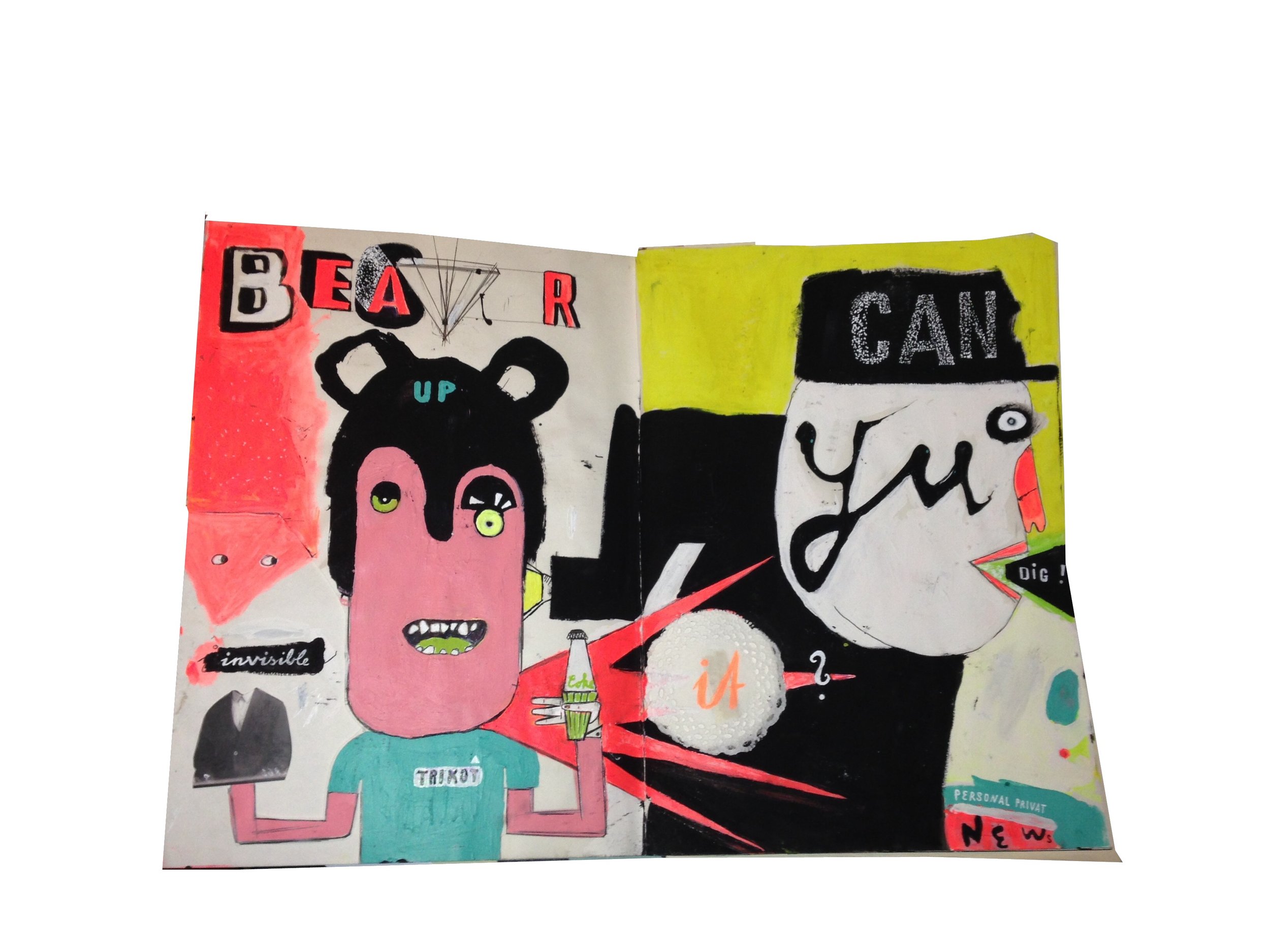
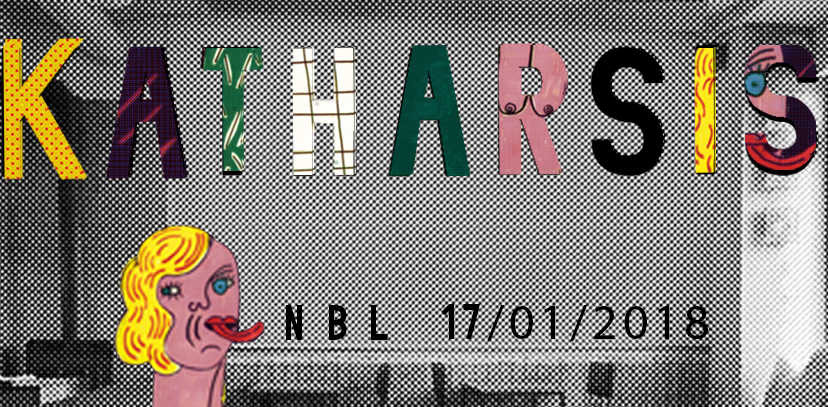
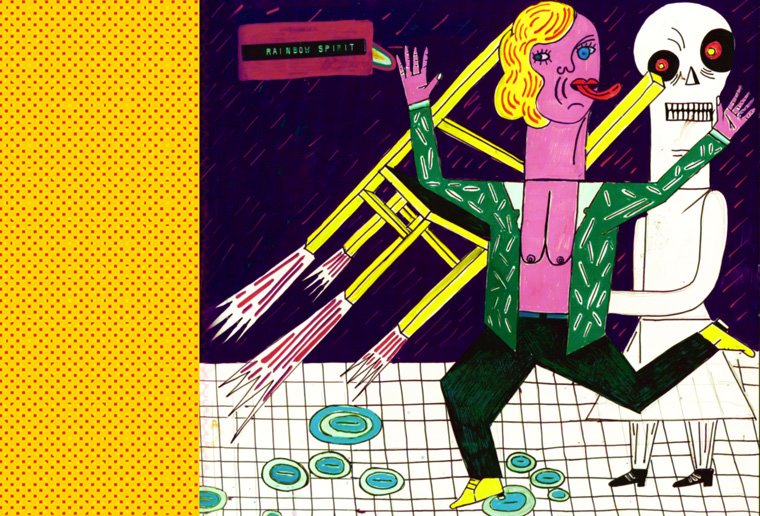
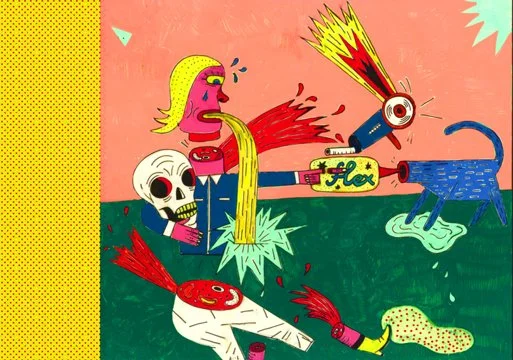
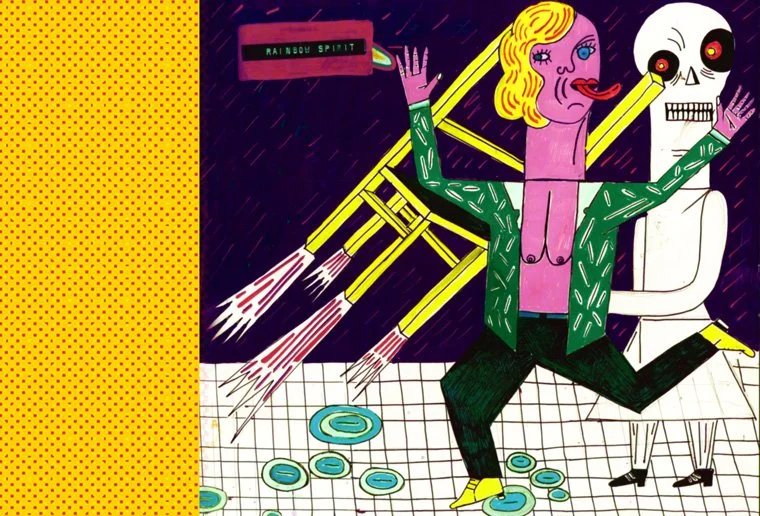
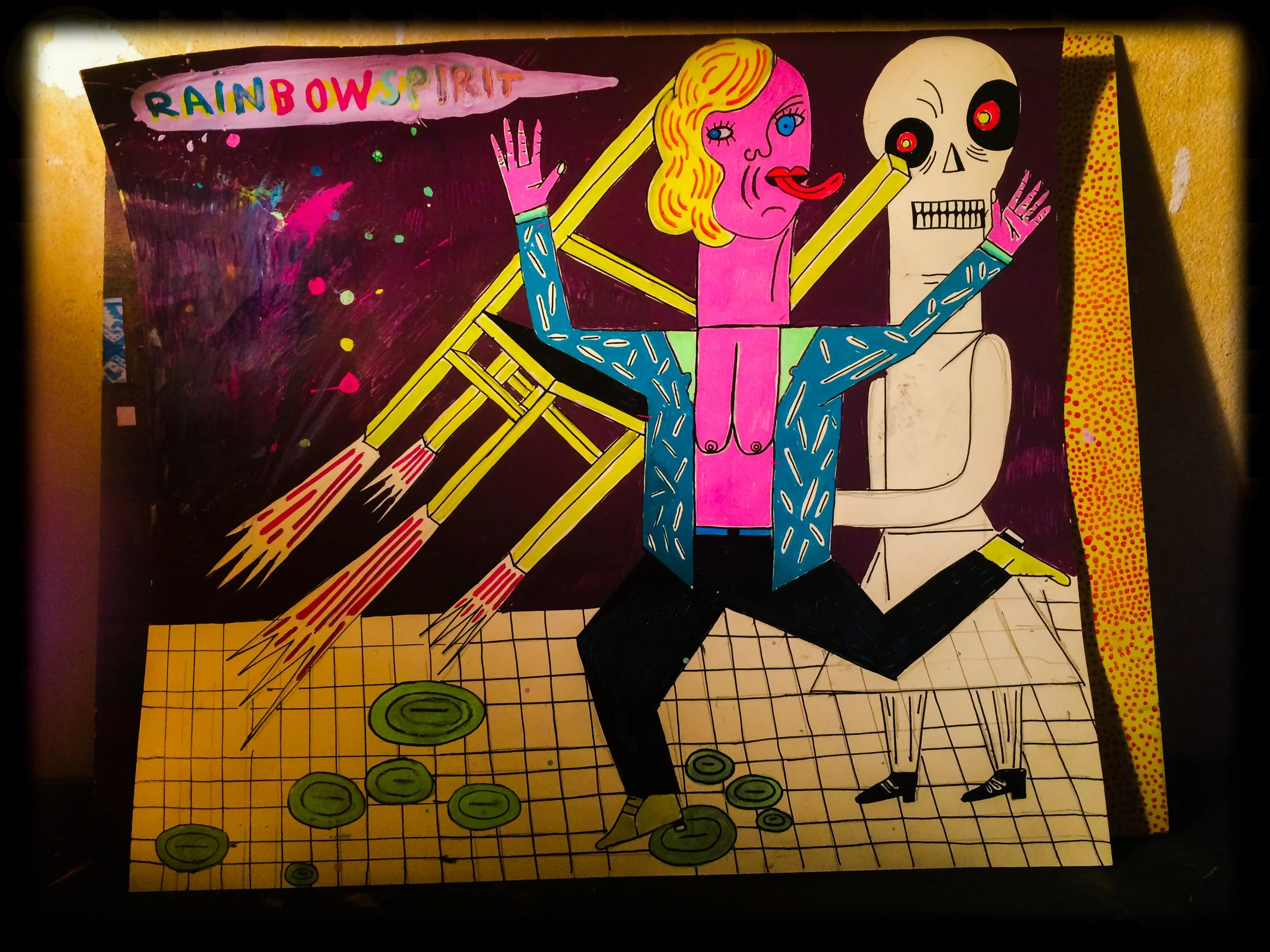
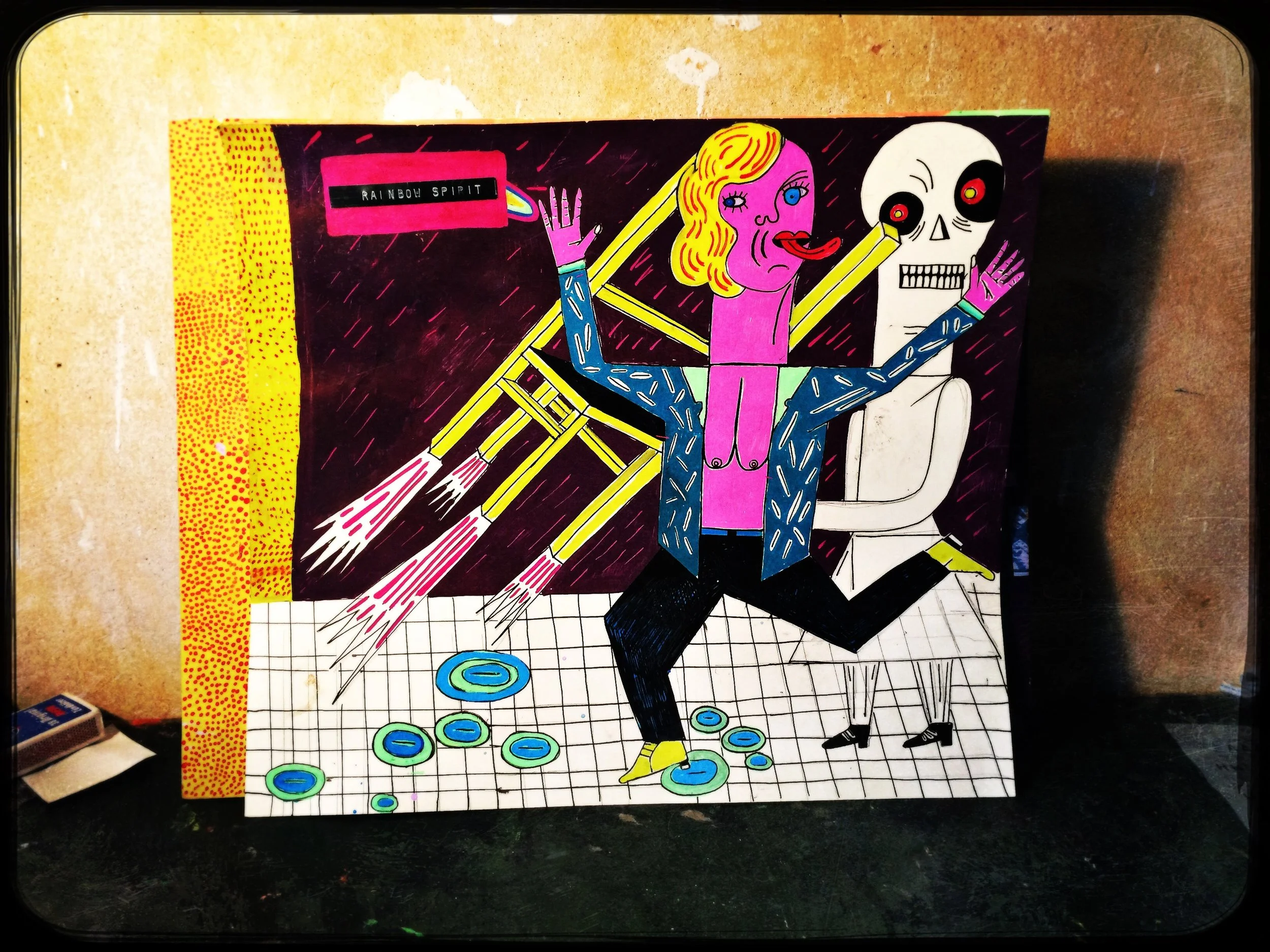
In der klassischen Tragödientheorie bezeichnet Katharsis das emotionale Befreien von inneren Konflikten und Traumata. Die gezeigte Werkreihe inszeniert diesen Zustand als rohen, kathartischen Urknall: Das Ausspeien von Farben und das Herausschießen energetischer Strahlen fungieren als direkte Metaphern für das schlagartige Abstreifen gesellschaftlicher Zwänge und inneren Ballasts. Stilistisch bewegen sich die Arbeiten im Spannungsfeld der Lowbrow Art (Pop-Surrealismus) und lehnen sich stark an die anarchische Underground-Comix-Szene an. Der Stil bricht ganz bewusst mit den Regeln der traditionellen »hohen Kunst«. Nutzt schrille, unnatürliche Neonfarben, dicke Outlines und grotesk überzeichnete Proportionen. Durch diese Ästhetik des Unperfekten entsteht ein humorvoller, aber auch provokanter Zugang zu ernsten Themen wie Vergänglichkeit, psychischem Druck und urbanem Hedonismus.In dieser radikalen Formkonstruktion, die stark von den blockhaften, kantigen und holzschnittartigen Charakterdesigns des Illustrators Henning Wagenbreth inspiriert ist, entfaltet sich eine zutiefst queere Dimension. Über die bewusste Übersteigerung und Deformierung des Körpers – ganz im Sinne einer subversiven Camp-Ästhetik – bricht die Werkreihe mit heteronormativen Sehgewohnheiten. Körperliche Fluidität und die Darstellung nackter, androgyner Oberkörper dekonstruieren den klassischen, sexualisierten Blick. Die Katharsis wird so zum Akt des queeren Widerstands: Ein Befreiungsschlag gegen internalisierte Scham, Stigmatisierung und den Druck zur gesellschaftlichen Anpassung.Ein zentrales konzeptionelles Werkzeug dieser Transformation ist die Methode der Appropriation Art (Aneignungskunst). Die Kunstwerke kapern existierende popkulturelle Codes, Alltags-Chiffren und typografische Versatzstücke, um sie in einen neuen, subversiven Kontext zu stellen. Dieses queere Recycling zeigt sich besonders im Hauptbanner, bei dem das Wort »KATHARSIS« als eklektische Collage aus Mustern, Texturen und Pop-Art-Rastern inszeniert wird, während das raue Halbton-Raster im Hintergrund dem analogen Charme alter Fanzines Tribut zollt.In der Werkübersicht manifestiert sich dieses Zusammenspiel konsequent: Das Werk »Flex« übersetzt die körperliche Reinigung im Comic-Format direkt in die Clubkultur der Szene. Das Begleitwerk »Rainbow Spirit« fungiert schließlich als queeres Memento Mori: Der intime Klammergriff zwischen der blonden Hauptfigur und einer Skelettgestalt symbolisiert den ultimativen kathartischen Moment – die Akzeptanz der eigenen Endlichkeit und die kraftvolle Transformation von Angst in bunte, kreative Lebensenergie.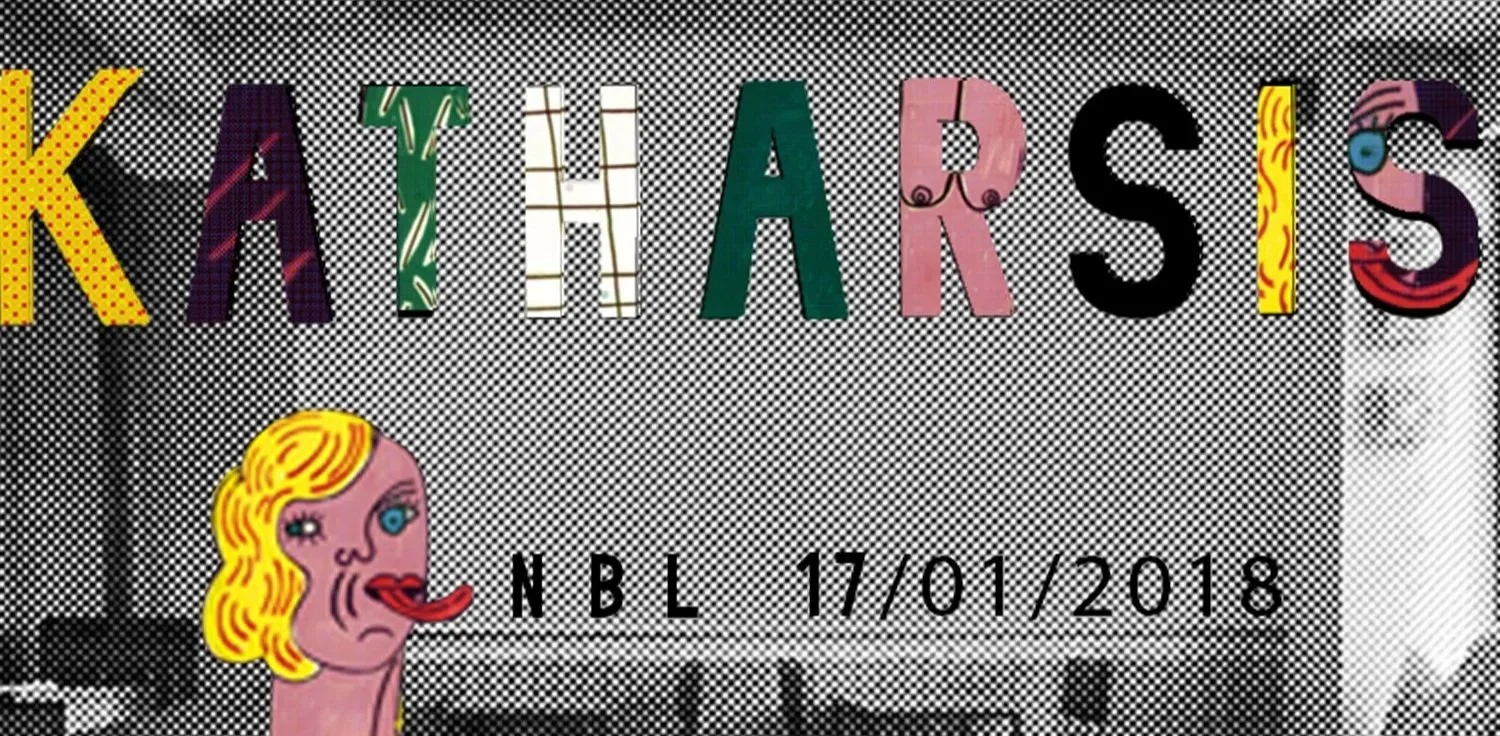
The “KATHARSIS” project, presented at the independent cultural venue Noch Besser Leben (NBL) in Leipzig, translates the ancient Greek concept of spiritual purification into a visual explosion.
In classical tragedy theory, catharsis refers to the emotional release of inner conflicts and traumas. The series of works on display portrays this state as a raw, cathartic Big Bang: the spewing of colors and the shooting out of energetic rays serve as direct metaphors for the sudden shedding of social constraints and inner burdens.Stylistically, the works exist at the intersection of lowbrow art (pop surrealism) and draw heavily on the anarchic underground comics scene. The style deliberately breaks with the rules of traditional “high art.” It uses garish, unnatural neon colors, thick outlines, and grotesquely exaggerated proportions. This aesthetic of imperfection creates a humorous yet provocative approach to serious themes such as transience, psychological pressure, and urban hedonism.In this radical formal construction, which draws heavy inspiration from illustrator Henning Wagenbreth’s block-like, angular, and woodcut-style character designs, a profoundly queer dimension unfolds. Through the deliberate exaggeration and distortion of the body—entirely in the spirit of a subversive camp aesthetic—the series challenges heteronormative viewing habits. Physical fluidity and the depiction of naked, androgynous torsos deconstruct the classic, sexualized gaze. Catharsis thus becomes an act of queer resistance: a liberating break from internalized shame, stigmatization, and the pressure to conform to societal norms.A central conceptual tool of this transformation is the method of appropriation art. The artworks hijack existing pop-cultural codes, everyday symbols, and typographic elements to place them in a new, subversive context. This queer recycling is particularly evident in the main banner, where the word “KATHARSIS” is presented as an eclectic collage of patterns, textures, and Pop Art grids, while the rough halftone grid in the background pays homage to the analog charm of old fanzines.This interplay is consistently evident in the overview of the artist’s work: The piece “Flex” translates the concept of physical purification in comic book format directly into the club culture of the scene. The accompanying work, “Rainbow Spirit, ultimately serves as a queer memento mori: the intimate embrace between the blonde protagonist and a skeletal figure symbolizes the ultimate cathartic moment—the acceptance of one’s own mortality and the powerful transformation of fear into colorful, creative life energy.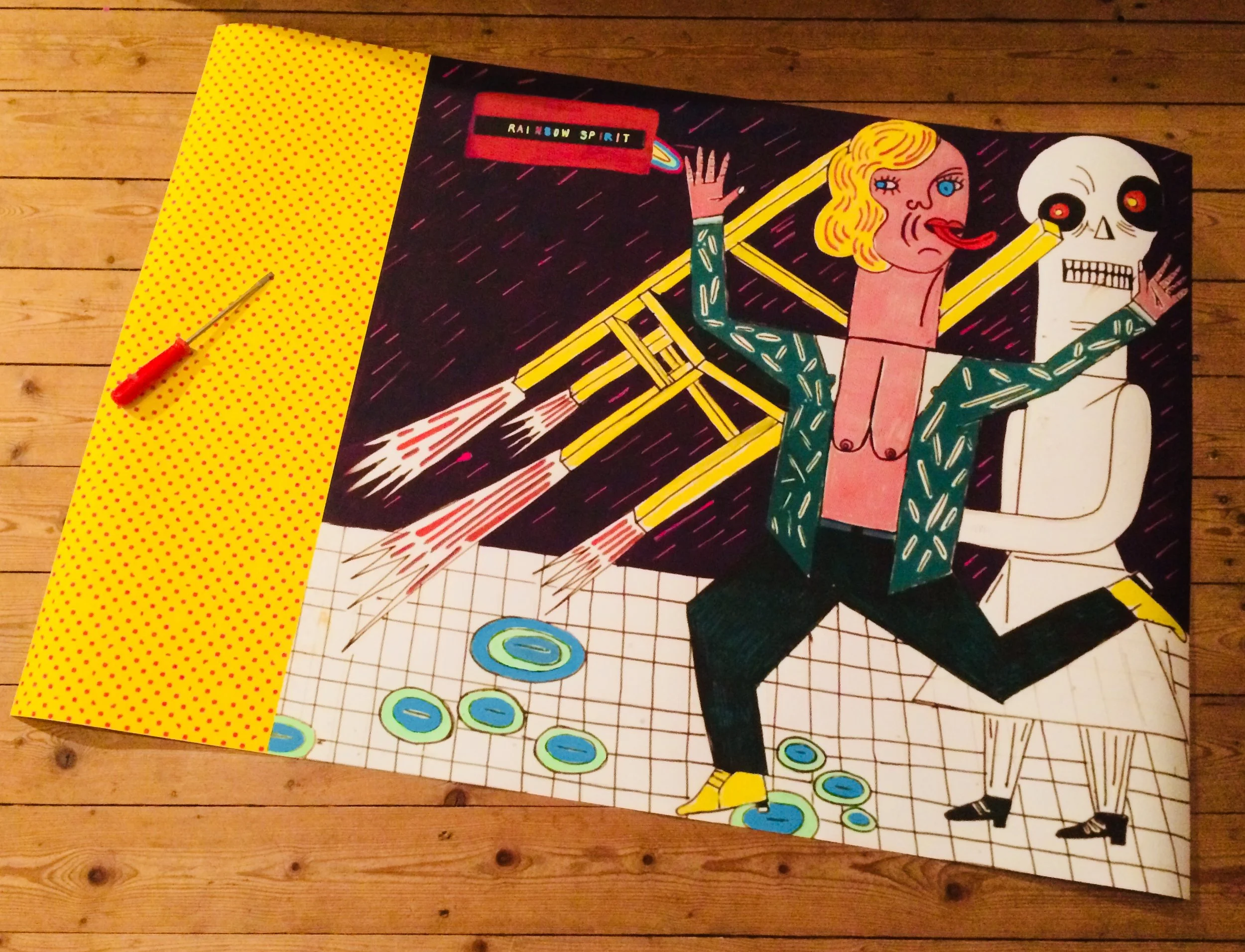
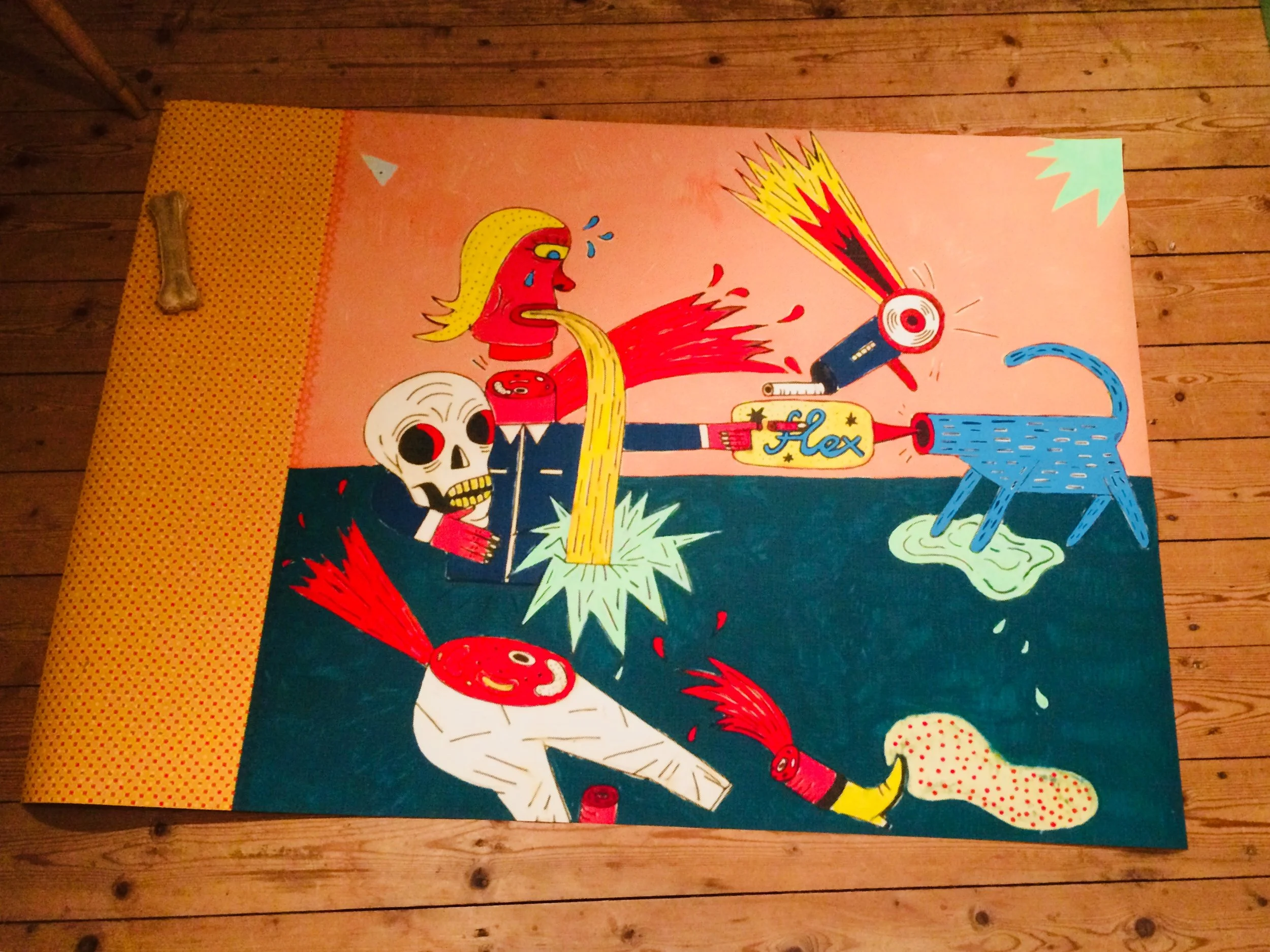
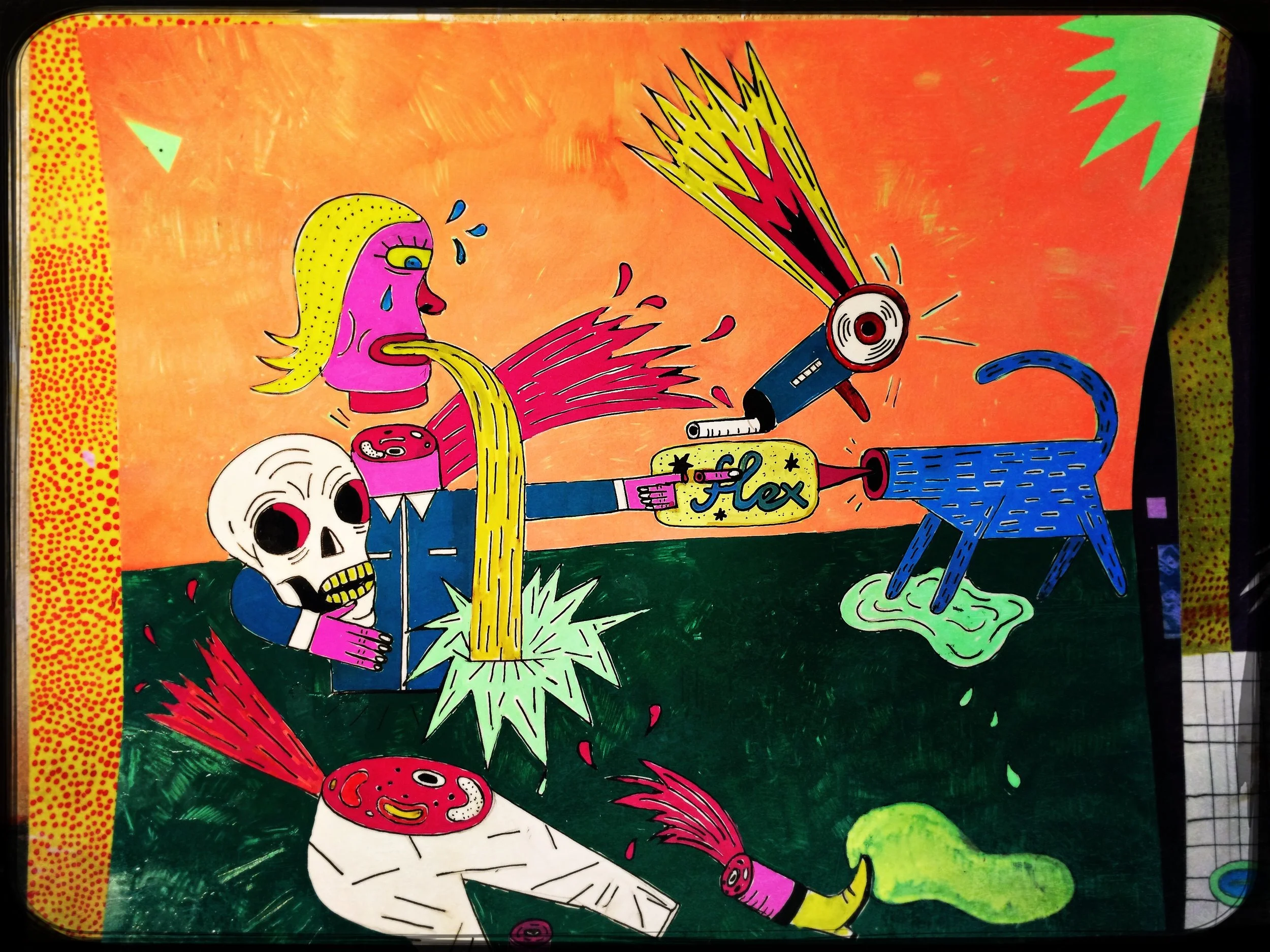
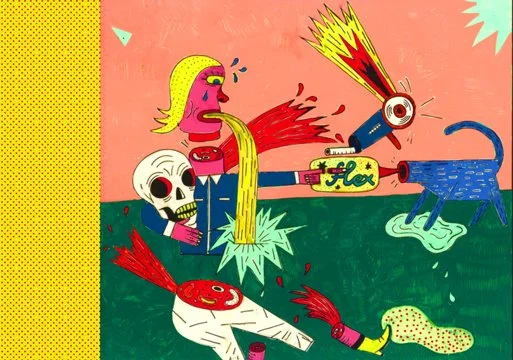
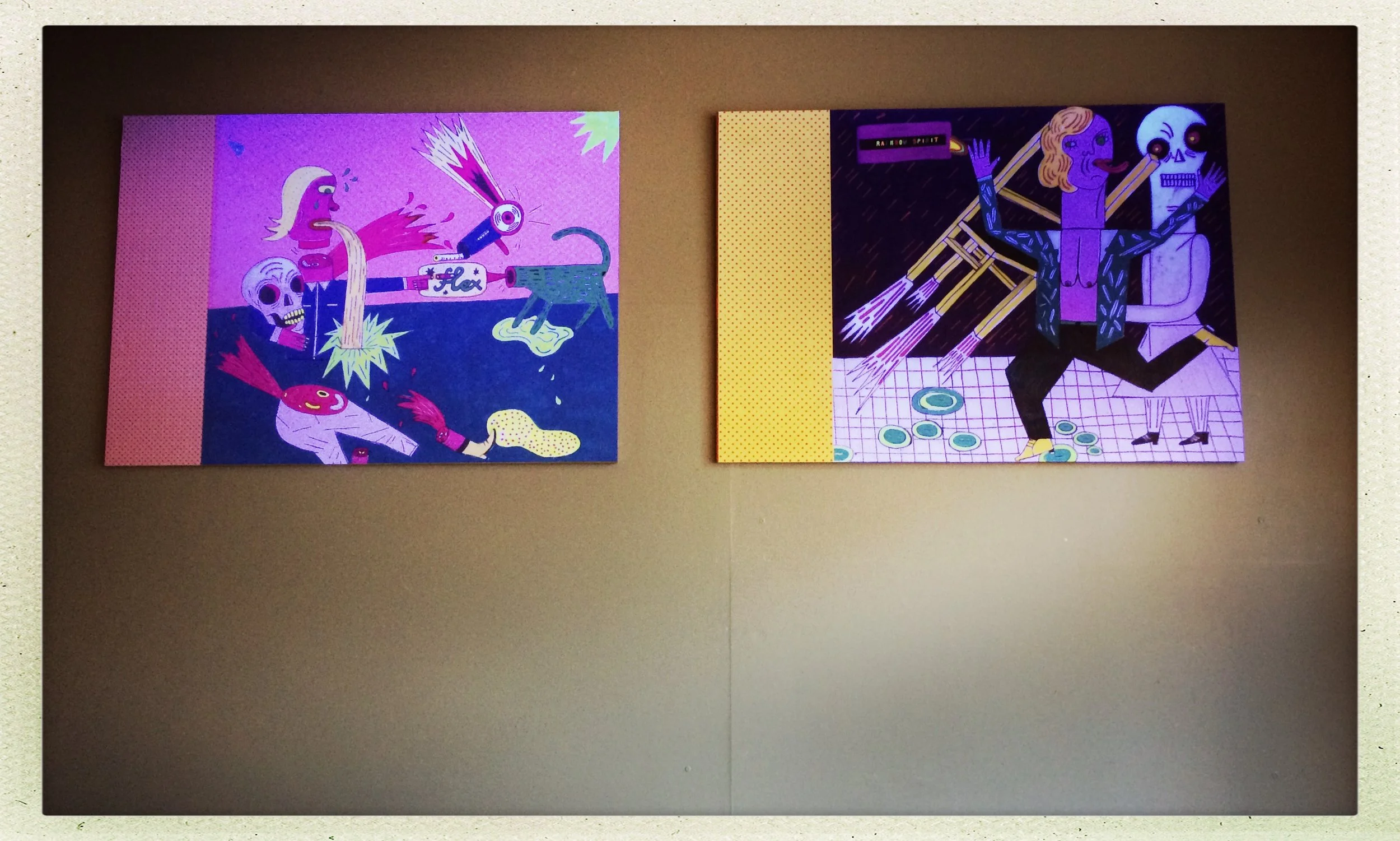
»Flex« – A visual eruption that straddles urban hedonism and an inner burst of liberation. Through the use of neon pigments, the work’s aesthetic shifts in sync with the space: by day in clear daylight, and by night as a UV-activated, glowing snapshot of the club scene.
»Rainbow Spirit«– The intimate embrace between life and transience. The work makes use of the radical shift in lighting at the exhibition venue: While the analog halftone screen grounds the viewer in daylight, the androgynous figure emerges as neon-colored resistance in the purple UV light of night.